#1

Format support is a major strength, covering the leading immersive formats and high-resolution playback without leaving meaningful gaps for typical movie or music use.
Pros: Overall product quality, Overall sound quality
Cons: Value for money, Video passthrough support
#2
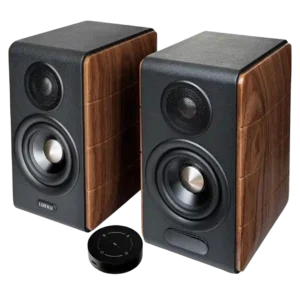
High-resolution playback over USB and digital inputs is treated as a real strength for buyers who want better-quality source files without adding another DAC.
Pros: Overall product quality, Overall sound quality
Cons: Remote control usability, Control button responsiveness
#3

Audio format support is strong for USB-C lossless or hi-res playback, with reviewers hearing clearer, deeper sound in that mode.
Pros: Frequency response balance, Price / value for money
Cons: Distortion at high volume, Backwards compatibility
#4

Multi-format spatial-audio support is praised as a versatility advantage for immersive listening.
Pros: Overall sound quality, Smart features
Cons: Value for money, On-device controls
#5

DTS:X support is treated as a meaningful advantage alongside Dolby Atmos, giving disc and movie fans broad immersive-format coverage.
Pros: Rear speaker versatility, Overall product quality
Cons: Size and TV fit, Gaming HDMI passthrough
#6

USB-C playback supports high-resolution digital audio and turns the Muo into a strong compact desk speaker. It is a useful alternative to lossy Bluetooth.
Pros: Design and aesthetics, Music performance
Cons: Price / value for money, App reliability
#7
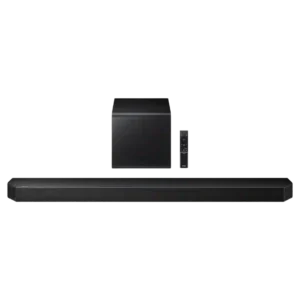
Format support is broad and includes major immersive options such as Dolby Atmos and DTS:X, contributing to the Q800F’s strong home-theater feature set.
Pros: Overall product quality, Overall sound quality
Cons: Bass performance, Surround sound simulation
#8
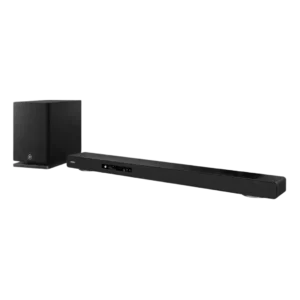
Format support is exceptionally broad, including Dolby Atmos, DTS:X, and the unusual addition of Auro-3D. Several tests singled out Auro-3D and high-resolution playback as differentiating strengths.
Pros: Home theater integration, Overall product quality
Cons: Value for money, Small-room suitability
#9

USB-C lossless playback is widely viewed as a meaningful quality option, and LC3 support adds a modern wireless path in several reviews. The speaker is strongest for Bluetooth and USB-C...
Pros: Overall satisfaction, Overall sound quality
Cons: Energy efficiency, Microphone
#10

Hi-res and file-format support is unusually broad for a compact wireless speaker, and higher-quality material is handled convincingly.
Pros: Design and aesthetics, Overall product quality
Cons: Bass performance, Stereo imaging accuracy
#11

Lossless, Dolby Atmos, Sony 360 Reality Audio, and high-resolution streaming support add real flexibility for compatible services. Spatial formats sound especially good when the source material is properly mixed.
Pros: Overall sound quality, Design and aesthetics
Cons: Value for money, Overall product quality
#12

Support for both Dolby Atmos and DTS:X is a meaningful strength, especially against compact rivals that omit DTS:X.
Pros: Design and aesthetics, Overall sound quality
Cons: Value for money, App reliability
#13
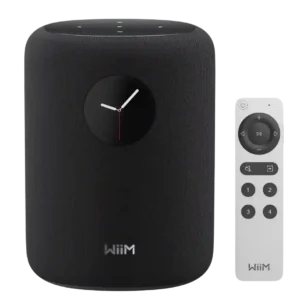
High-resolution playback up to 24-bit/192kHz is repeatedly presented as a strength, often exceeding competing smart-speaker limits. Support for multiple lossless formats and streaming paths appeals to more demanding listeners.
Pros: Overall product quality, Overall sound quality
Cons: AirPlay compatibility, Smart assistant integration (Alexa
#14
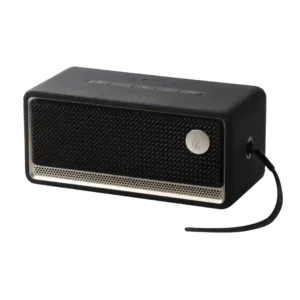
USB-C playback up to 48kHz was praised for sounding cleaner and sharper from a laptop.
Pros: Overall sound quality, Overall satisfaction
Cons: Battery life (if portable), EQ customization
#15
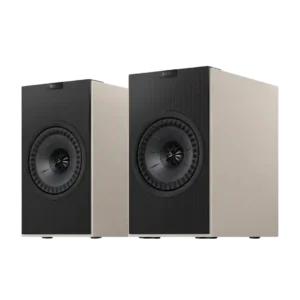
Format support is strong for a Bluetooth-led system, with CD-quality aptX Lossless and high-resolution wired playback. The wireless path still does not match the highest-resolution network-streaming formats.
Pros: Stereo imaging accuracy, Aesthetic design / Finish options
Cons: Smart features, EQ customization
#16
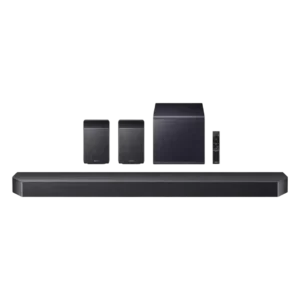
Audio format support is broad and positively framed, covering mainstream immersive formats and newer support without major reviewer concern.
Pros: Value for money, Surround sound simulation
Cons: Status indicators, Wi-Fi streaming reliability
#17
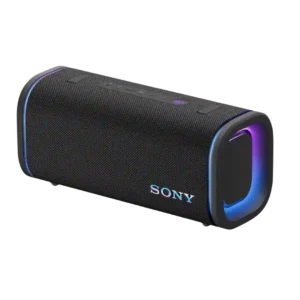
High-resolution LDAC support is treated as a strength for sound quality, with a close-range caveat for the best results.
Pros: Loudness / maximum volume, Battery life (if portable)
Cons: Voice clarity, Stereo imaging accuracy
#18

Audio format support is a plus because USB-C can enable higher-resolution or lossless listening, though reviewers caution that the small mono speaker limits the payoff.
Pros: Frequency response balance, Battery life (if portable)
Cons: Backwards compatibility, Stereo imaging accuracy
#19
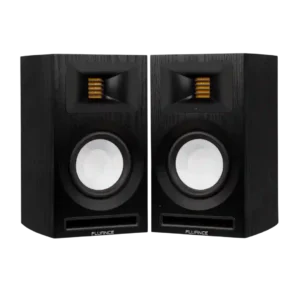
The only opinionated format evidence says the simple stereo format should sound natural with most content rather than chase surround formats.
Pros: Detail retrieval, Value for money
Cons: optical, Smart features
#20
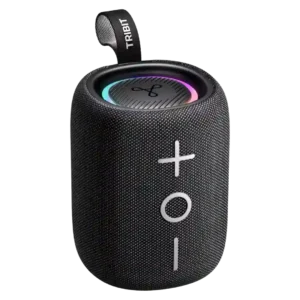
Audio format support evidence is limited but positive, with WIRED noting AAC support as a potentially better option for iPhones.
Pros: Frequency response balance, Price / value for money
Cons: Microphone, Dust resistance rating
#21
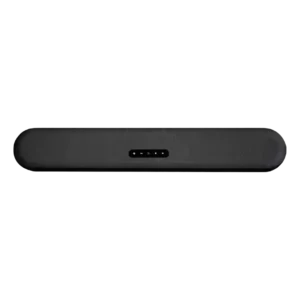
Format support is broad for hi-res and Dolby sources, but not flawless. Reviewers appreciate the compatibility while repeatedly pointing out missing DTS and limited native Atmos music support.
Pros: App reliability, Subwoofer
Cons: Remote control usability, Value for money
#22
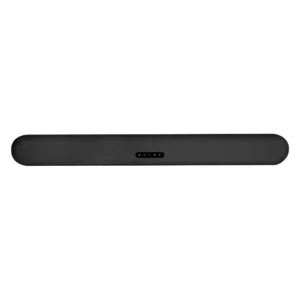
Format support was mixed: reviewers praised hi-res, lossless, and Dolby Atmos support but criticized no DTS:X and no native Dolby Atmos Music in BluOS.
Pros: Dialogue clarity (for TV/soundbar use), Subwoofer
Cons: EQ customization, AI Room Calibration
#23
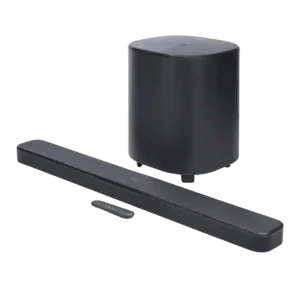
Audio format support was mixed: Dolby Atmos and DTS Virtual X support helped immersion, but one review cited no DTS support.
Pros: Dialogue clarity (for TV/soundbar use), Surround sound simulation
Cons: App reliability, Audio format support
#24
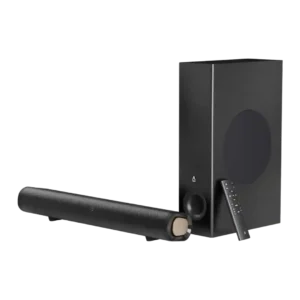
Audio format support is serviceable for the price, with Dolby Digital/Plus noted, but reviewers repeatedly call out missing Atmos and eARC-related limits.
Pros: Value for money, Surround sound simulation
Cons: Stereo imaging accuracy, Smart features
#25
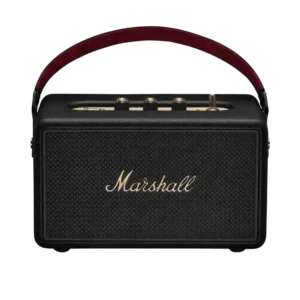
Audio format support is a limitation because reviewers point to missing USB Audio and missing hi-res Bluetooth codec support.
Pros: Design and aesthetics, Battery life (if portable)
Cons: Weight convenience, Inter-speaker connectivity
#26
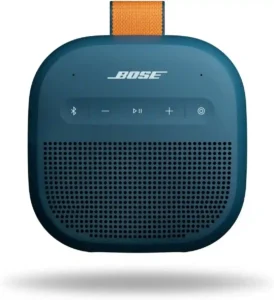
Audio format support is limited in one review, which criticizes the lack of high-resolution audio support.
Pros: Handle or strap quality, Frequency response balance
Cons: Price / value for money, Loudness / maximum volume
#27

Audio format support is a limitation relative to competitors with high-resolution codec support.
Pros: Frequency response balance, LED lighting effects
Cons: Float capability, Handle or strap quality
#28

Higher-resolution wireless audio options are limited. Reviewers specifically note that the speaker does not provide the broader high-res codec support available from some competitors.
Pros: Overall sound quality, Battery life (if portable)
Cons: Price / value for money, Weight convenience
#29
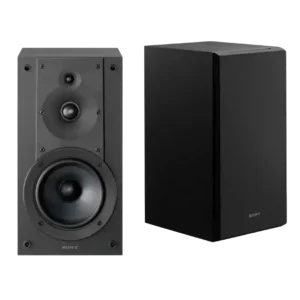
Reviewers treated the Hi-Res positioning as mostly marketing, not a meaningful audio-format advantage for a passive speaker.
Pros: Frequency response balance, Cabinet construction / bracing
Cons: Dynamic headroom
#30

Audio-format support was a weak point because reviewers noted the lack of high-resolution audio support.
Pros: Smart features, Microphone
Cons: Weight convenience, Handle or strap quality
#31

Support for immersive formats is limited because the bar lacks Dolby Atmos and DTS:X.
Pros: Dialogue clarity (for TV/soundbar use), Overall product quality
Cons: TV connection stability, Reliability
