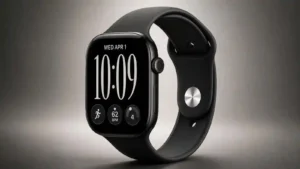
Sleep tracking is viewed as highly accurate, with the improved sensing expected to strengthen overnight data further.
Pros: value for money, heart rate accuracy
Cons: data privacy

Sleep tracking is viewed as highly accurate, with the improved sensing expected to strengthen overnight data further.
Pros: value for money, heart rate accuracy
Cons: data privacy

Sleep tracking is one of the strongest areas, with reviewers praising detailed sleep data, wake-up detection, and accuracy comparable to or better than their comparison wearables.
Pros: value for money, battery life
Cons: heart rate accuracy, third-party app support
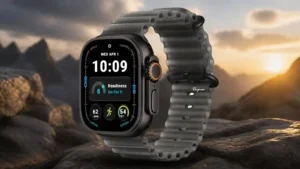
Sleep tracking is consistently regarded as strong and often highly accurate for bed and wake times, though the large case can make overnight wear less comfortable.
Pros: battery life, value for money
Cons: data privacy, comfort

Sleep duration, bedtime, wake time, naps, and overall scores are generally useful and reasonably accurate. Sleep-stage breakdowns can still confuse light sleep with awake time.
Pros: battery life, value for money
Cons: mapping and navigation, smartwatch features
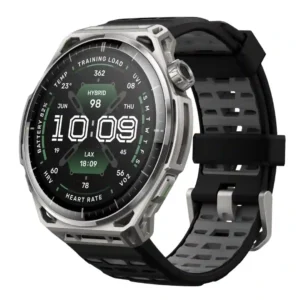
Sleep duration and restlessness usually aligned well with competing wearables and personal experience. One rough night received an overly mild label, and the watch’s size or strap may discourage overnight...
Pros: battery life, brightness
Cons: fit, third-party app support

Sleep tracking has improved enough to broadly match an Oura Ring on sleep duration, bedtime, and key stages on most nights, though Garmin’s history here was acknowledged as weaker.
Pros: value for money, GPS accuracy
Cons: mapping and navigation, third-party app support
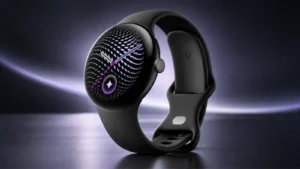
Sleep tracking was generally viewed as accurate and useful, with timing and stage data often matching expectations. Some reviewers remained cautious about claimed percentage gains and Smart Wake precision.
Pros: software smoothness, style and design
Cons: value for money, wellness insights
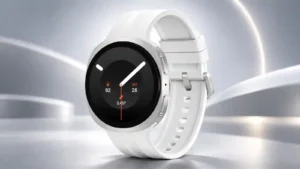
Sleep tracking is often very good, with some tests closely matching dedicated reference devices and accurately capturing sleep timing. Other reviewers report optimistic scores, missed wake-ups, or gaps, so consistency...
Pros: software smoothness, wellness insights
Cons: battery life, charging speed
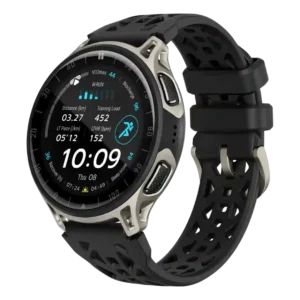
Sleep tracking opinions were mixed: some liked the depth and comparable sleep duration, while others found missed awake time and only okay sleep-stage accuracy.
Pros: GPS accuracy, battery life
Cons: band quality, smartwatch features
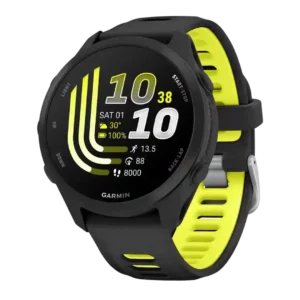
Sleep tracking produced conflicting results: one tester found it close to trusted wearables, while another found REM and deep-sleep estimates inaccurate.
Pros: value for money, battery life
Cons: mapping and navigation, materials quality

Sleep tracking is one of the most inconsistent areas: some testers found stages and duration closely matched other wearables, while others saw missed periods or implausible scores. The comfort improvements...
Pros: battery life, comfort
Cons: value for money, charging speed
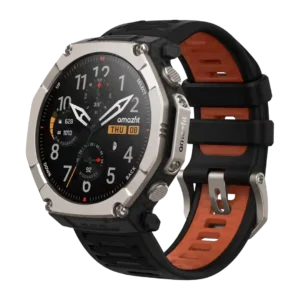
Sleep tracking was treated as middling, with one review calling scores and stages funky and another finding REM detection only average.
Pros: battery life, value for money
Cons: heart rate accuracy, comfort
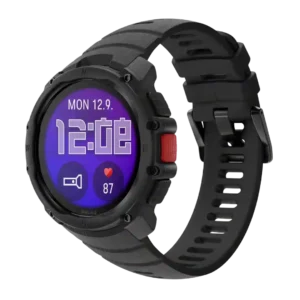
Sleep-stage tracking was treated cautiously; one reviewer called Polar's sleep stages mediocre, while another found SleepWise useful but warned not to fully rely on watch sleep analysis.
Pros: value for money, flashlight usefulness
Cons: user interface
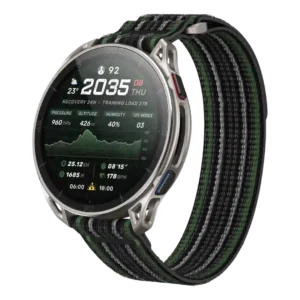
Sleep tracking drew a poor personal accuracy assessment from one reviewer, who said watches generally reported good sleep despite feeling bad.
Pros: battery life, value for money
Cons: reliability