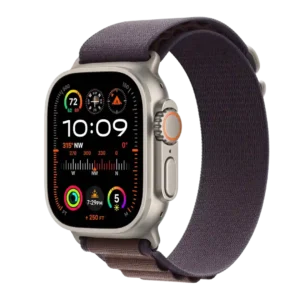
The app ecosystem was framed as a major advantage of the Ultra 2 as part of Apple’s broader smartwatch platform.
Pros: battery life, voice assistant quality
Cons: value for money, mapping and navigation

The app ecosystem was framed as a major advantage of the Ultra 2 as part of Apple’s broader smartwatch platform.
Pros: battery life, voice assistant quality
Cons: value for money, mapping and navigation

The app ecosystem is praised as comprehensive for wellness data and long-term health interpretation.
Pros: battery life, GPS accuracy
Cons: onboard music storage, mapping and navigation
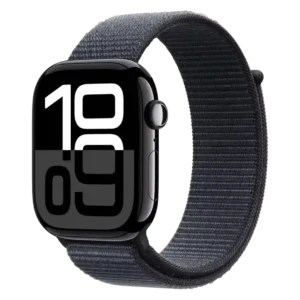
The Apple ecosystem was a major strength, with seamless Strava syncing, Mac authentication, Apple-device continuity, and broad app support.
Pros: charging speed, display quality
Cons: battery life, water resistance

Garmin Connect and the broader Garmin ecosystem earn praise for subscription-free data access, training resources, desktop analysis, and motivating badges.
Pros: battery life, style and design
Cons: sleep tracking accuracy, workout tracking variety
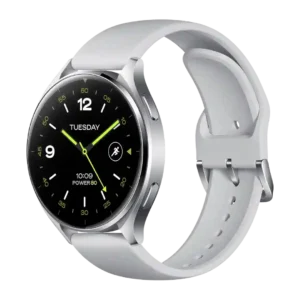
The app ecosystem was a strength because Wear OS provided Google services, downloadable apps, and broad wrist-based functionality.
Pros: value for money, smartphone notifications
Cons: battery life, operating system experience
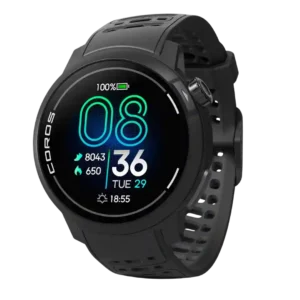
Third-party syncing is a strength where reviewers discussed it; Strava and similar integrations moved data quickly and supported the training workflow.
Pros: battery life, GPS accuracy
Cons: heart rate accuracy, smartwatch features
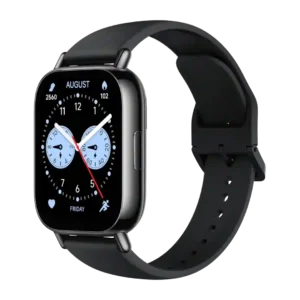
The app ecosystem scored well where reviewed because data sharing with Strava, Google Fit, and Zepp Life was called helpful.
Pros: display quality, battery life
Cons: sleep tracking accuracy, voice assistant quality

The app ecosystem was praised as robust for Wear OS, with reviewers saying app support has improved enough that major third-party gaps are less noticeable.
Pros: battery life, display quality
Cons: GPS accuracy, charging convenience
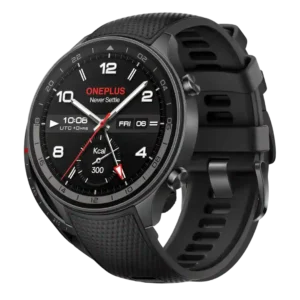
The Wear OS app ecosystem was a strength, with reviewers praising access to Google apps, third-party apps, and broad app availability.
Pros: battery life, value for money
Cons: companion app quality, charging convenience

Reviewers liked Wear OS access to the Play Store and Google apps, with enough app breadth to make the watch genuinely useful.
Pros: battery life, value for money
Cons: operating system experience, voice assistant quality
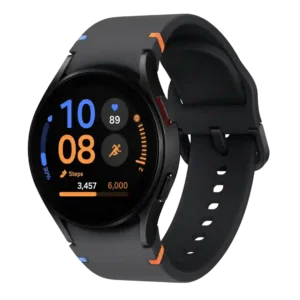
The app ecosystem was a strength thanks to Wear OS, Google Play, and recognizable third-party apps.
Pros: smartwatch features, health tracking accuracy
Cons: value for money, software smoothness
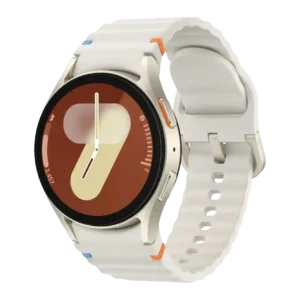
The Wear OS app base is a strength, with reviewers praising access to Samsung, Google, and third-party apps, though one fitness reviewer criticized Samsung Health integration limits.
Pros: value for money, wellness insights
Cons: battery life, cross-platform compatibility
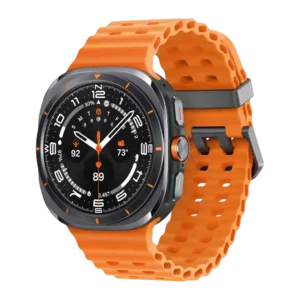
Wear OS app access was treated as a major strength, with reviewers citing useful mainstream apps and thriving third-party support, though not every customization app remained compatible.
Pros: battery life, sleep tracking accuracy
Cons: wellness insights, style and design
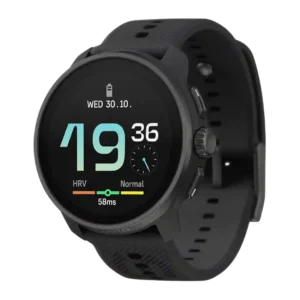
The app ecosystem was praised for useful SuuntoPlus tools, though one review said Suunto still lags Garmin on ecosystem depth.
Pros: value for money, battery life
Cons: heart rate accuracy, onboard music storage
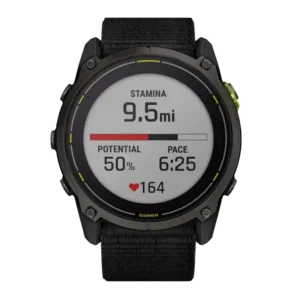
The app ecosystem gets some credit for a large library of watch faces, but the broader smartwatch-app story is not the product’s main strength.
Pros: battery life, value for money
Cons: smartwatch features, size options

The built-in app/function set was viewed positively in one review as useful for a budget smartwatch.
Pros: call handling, smartwatch features
Cons: display quality, value for money
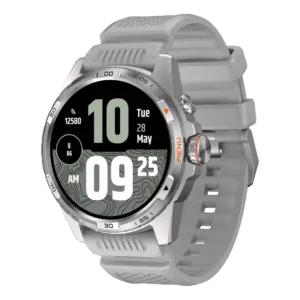
Google app integration and Mobvoi's improving app layer are viewed as useful, though not as polished as leading ecosystems.
Pros: battery life, display quality
Cons: operating system experience, voice assistant quality

Reviewers found the Zepp ecosystem improving and sometimes useful, but still less mature than Garmin, Coros, Apple, or Google alternatives.
Pros: value for money, mapping and navigation
Cons: heart rate accuracy, recovery insights
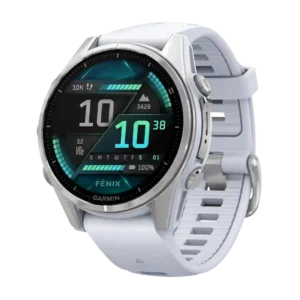
Reviewers saw Garmin’s ecosystem as deep enough to offer extra software, but weaker than Apple or Samsung for broader third-party app depth.
Pros: battery life, GPS accuracy
Cons: value for money, call handling
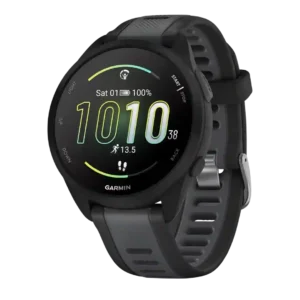
The app ecosystem was useful through Connect IQ and Garmin features, but Garmin's broader platform could still feel intimidating.
Pros: value for money, GPS accuracy
Cons: recovery insights, onboard music storage
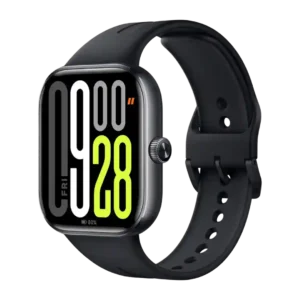
Reviewers found the app ecosystem limited, citing missing major apps and only a small number of add-on apps.
Pros: battery life, display quality
Cons: smartphone notifications, sleep tracking accuracy
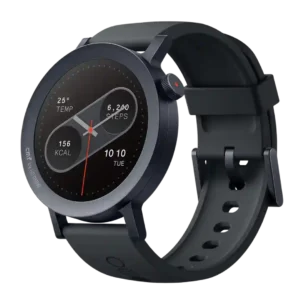
The app ecosystem was limited; reviewers criticized the lack of downloadable apps and problems exporting or syncing activity data.
Pros: value for money, battery life
Cons: GPS accuracy, sleep tracking accuracy
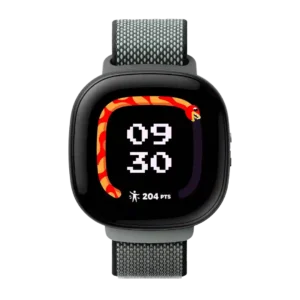
The app ecosystem is intentionally closed; one reviewer called out the lack of apps as a limitation.
Pros: coaching features, value for money
Cons: battery life
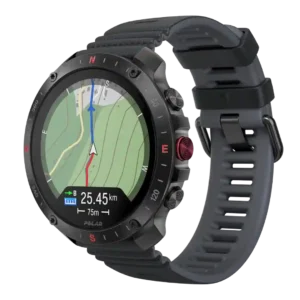
Reviewers found the app/platform ecosystem thin, with no proper ecosystem and limited app integration compared with rivals.
Pros: GPS accuracy, mapping and navigation
Cons: value for money, companion app quality
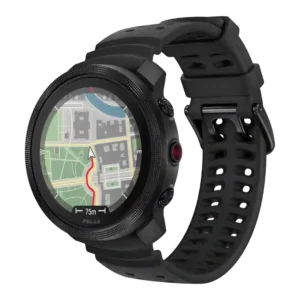
The app ecosystem is weak because reviewers repeatedly highlight the lack of an app store and broader app platform.
Pros: value for money, GPS accuracy
Cons: heart rate accuracy, companion app quality