Best for Multipoint connectivity reliability
Tribit QuietPlus 81
5.0 attribute score
Highest scored product for this attribute based on supporting review evidence.

Highest scored product for this attribute based on supporting review evidence.
Balances the attribute score, supporting reviews, and overall product strength.
Has the broadest review evidence for this attribute.
Strongest overall product among items with scored evidence for this attribute.
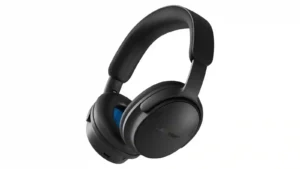
Multipoint reliability is excellent in the tests that covered it. Laptop-to-phone switching was fast and seamless, including incoming-call handoffs.
Pros: Overall recommendation, Active noise cancellation
Cons: Battery, Equalizer customization

Multipoint is a standout success, switching smoothly between two phones or across phone, tablet, and computer setups.
Pros: Overall recommendation, Battery
Cons: Wear detection auto-pause, Noise isolation (passive)

Multipoint works smoothly, keeping two devices paired and making input switching convenient without repeated disconnecting and re-pairing.
Pros: Value for money, Sound quality
Cons: Button control usability, App
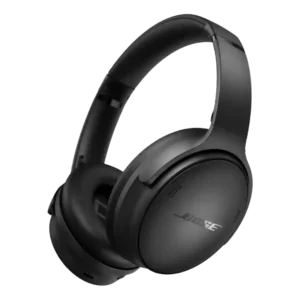
Multipoint connectivity earned strong praise for seamless or automatic switching between phone and computer use.
Pros: Active noise cancellation, Carry case quality
Cons: Features at launch, Treble clarity

Multipoint is a standout when mentioned, with reviewers praising fast and seamless switching.
Pros: Sound quality, Active noise cancellation

Multipoint reliability was strong where tested, with seamless switching or extremely reliable two-device use.
Pros: Battery, Active noise cancellation
Cons: Spatial audio, 3.5mm analog input availability

Dual-device switching worked reliably in the reviews that tested it, including mixed Android, Mac and phone use.
Pros: Active noise cancellation, Overall recommendation
Cons: Carry case quality, Value for money
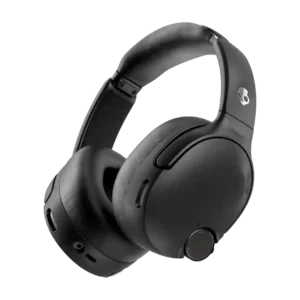
Multipoint switching worked flawlessly in direct testing between an Android phone and an iPhone. Playback handed off cleanly without needing to reconnect devices.
Pros: Value for money, Bass performance
Cons: Weight comfort, Frequency response accuracy

Multipoint connectivity can handle two devices cleanly, and at least one long-form test reported flawless operation.
Pros: Comfort during long use, Premium feel
Cons: Battery, Value for money

Two-device switching is one of the strongest practical features, with laptop-and-phone handoffs repeatedly described as effortless or reliable. Adapter priority can affect media behavior in one setup.
Pros: Battery, Charging
Cons: Value for money, Codec support
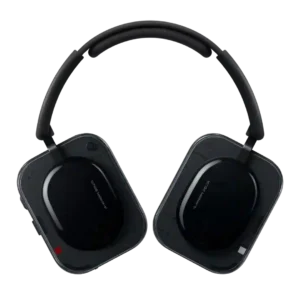
Multipoint is generally easy and reliable once enabled, with reviewers praising quick switching between a phone and laptop or other paired devices.
Pros: Battery, Active noise cancellation
Cons: Bass performance, Carry case quality
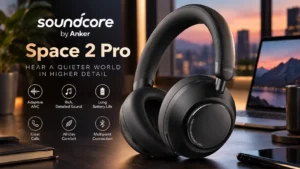
Phone-and-computer or phone-and-tablet switching is generally stable and convenient. Automatic and manual switching options are appreciated, although transitions can take a few seconds.
Pros: Active noise cancellation, Sound quality
Cons: Carry case quality, Included accessories

Multipoint reliability was a strength overall, with several reviewers describing seamless or well-performing device switching.
Pros: Overall recommendation, Value for money
Cons: Bass performance, Midrange clarity

Multipoint was repeatedly praised as seamless, flawless, or useful for switching between phone and computer.
Pros: Comfort during long use, Charging
Cons: Spatial audio, Volume output

Multipoint works well and is usually seamless between two devices. One review found that media had to be paused on the first device before the second would play, but the...
Pros: Battery, Design and Aesthetics
Cons: Clamping force comfort, Soundstage width
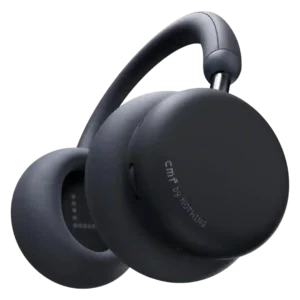
Multipoint works very well for switching between a phone and computer. Reviewers repeatedly described device changes as smooth, quick, and useful for mixed music, meeting, and call workflows.
Pros: Sound quality, Active noise cancellation
Cons: Treble clarity, Equalizer customization
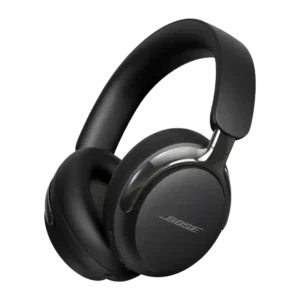
Multipoint is a clear strength in the reviews, with seamless switching and reliable two-device behavior praised repeatedly.
Pros: Active noise cancellation, Comfort during long use
Cons: Value for money, Equalizer customization
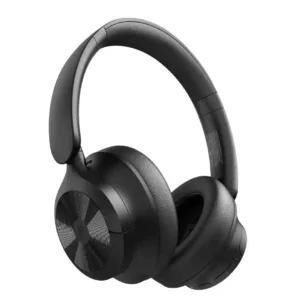
Multipoint is a standout convenience, with several reviewers reporting seamless or easy switching between two connected devices.
Pros: Comfort during long use, Sound quality
Cons: Button control usability, Codec support

Multipoint was generally praised as seamless, reliable, or easy to enable.
Pros: Active noise cancellation, Comfort during long use
Cons: Portability/foldability
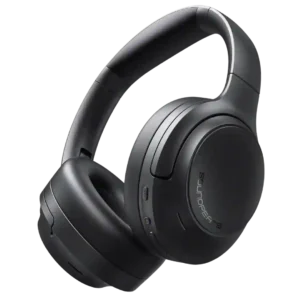
Multipoint generally switches smoothly between phone and computer, though one test found auto-reconnection unreliable after walking away from a paired device.
Pros: Overall satisfaction, Sound quality
Cons: Carry case quality, Transparency mode quality

Multipoint usually switches quickly and seamlessly between phones and computers. Some tests found buggy handoffs or required playback to be paused on the first device.
Pros: Overall recommendation, Active noise cancellation
Cons: Bass performance, Clamping force comfort
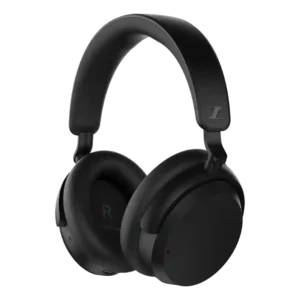
Multipoint was consistently positive where tested, with reviewers praising easy device management, hot swapping, and flawless switching.
Pros: Sound quality, Overall recommendation
Cons: Active noise cancellation, Microphone quality for calls
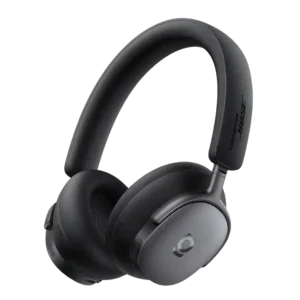
Multipoint reliability had limited but positive support, with one reviewer saying phone-to-laptop switching was easy.
Pros: Bass performance, Overall recommendation
Cons: Transparency mode quality, Immersive audio quality

Multipoint was a consistent strength, with reviewers reporting smooth dual-device pairing, hitch-free operation or fast switching.
Pros: Value for money, Sound quality
Cons: Stability, Wind noise handling
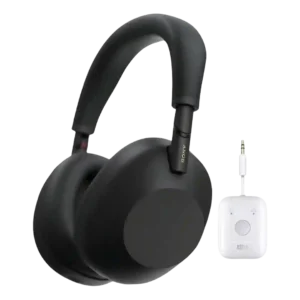
Multipoint was viewed positively, with reviewers appreciating dual-device pairing across phones, laptops, and mixed Apple/non-Apple setups.
Pros: Sound quality, Active noise cancellation
Cons: Touch control responsiveness, Spatial audio
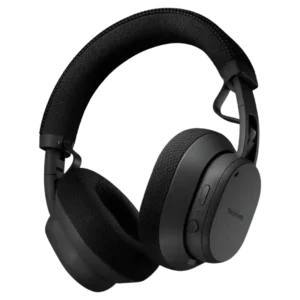
Multipoint is a meaningful convenience once connected, with fast switching praised repeatedly. Setup can be clumsy on some units or firmware versions.
Pros: Sustainability and repairability, Sound quality
Cons: Value for money, Transparency mode quality
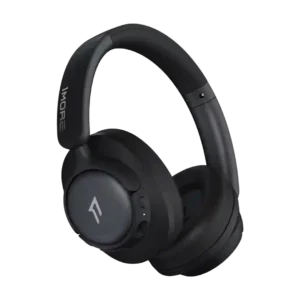
Multipoint and dual-device switching were judged reliable and seamless where tested.
Pros: Battery, Sound quality
Cons: Midrange clarity, Button control usability
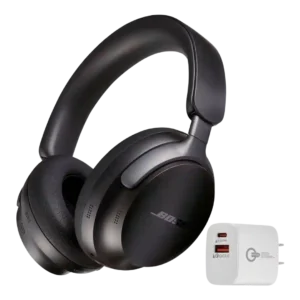
Multipoint was generally reliable, with reviewers reporting successful switching, although one reviewer described Bose's approach as more manual.
Pros: Active noise cancellation, Sound quality
Cons: Battery, Immersive audio quality
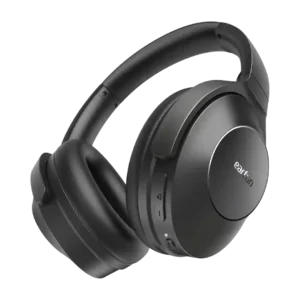
Multipoint is one of the better-supported features, with most reviewers finding switching or dual-device use reliable and easy.
Pros: Battery, Equalizer customization
Cons: ANC background noise level, Active noise cancellation
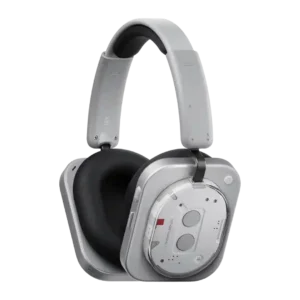
Multipoint reliability was treated positively, with reviewers highlighting quick switching and two-device connection.
Pros: Sound quality, Battery
Cons: Weight comfort, Soundstage width
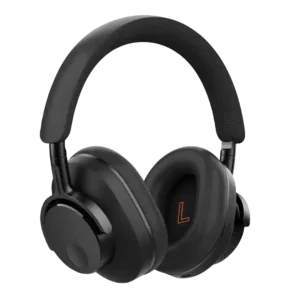
Multipoint generally works, but switching can require pausing and there is no automatic switching in one test.
Pros: Overall recommendation, Comfort during long use
Cons: Headband padding quality, Spatial audio
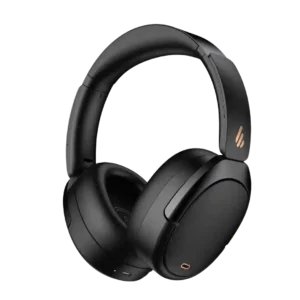
Multipoint connectivity was useful and mostly seamless, with only minor reminders needed in one review.
Pros: Battery, Value for money

Multipoint was viewed as useful and reliable, letting users switch between devices without awkward menu jumping.
Pros: Overall recommendation, Value for money

Two-device switching is usually convenient for moving between a phone and computer. LDAC restrictions and occasional interruptions when another device resumes playback are the main tradeoffs.
Pros: Comfort during long use, Ear cup padding quality
Cons: Frequency response accuracy, Treble clarity

Two-device switching is frequently praised for moving between phone calls and computer audio. Dropouts, clunky switching, and the inability to mix both audio streams disappoint some users.
Pros: Active noise cancellation, Sound quality
Cons: Headband padding quality, Workout heat and sweat buildup

Multipoint was repeatedly treated as a useful quality-of-life feature, with several reviewers praising device switching or dual-device use.
Pros: Midrange clarity, Comfort during long use
Cons: Build quality, Microphone noise reduction

Multipoint was positively noted because LDAC remained available with dual-device use rather than forcing a lower-quality codec.
Pros: Battery, Active noise cancellation
Cons: Transparency mode quality, Carry case quality
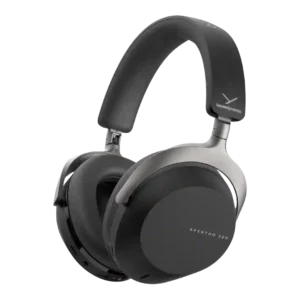
Multipoint works reliably in several reviews, though one reviewer disliked the inability to manage connected devices from the app.
Pros: Bass performance, Sound quality
Cons: Active noise cancellation, Comfort during long use

Switching between two devices is often smooth and saves manual reconnection. Some experience notification interruptions or failed playback, and LDAC requires giving up the second connection.
Pros: Sound quality, Comfort during long use
Cons: Carry case quality, Included accessories
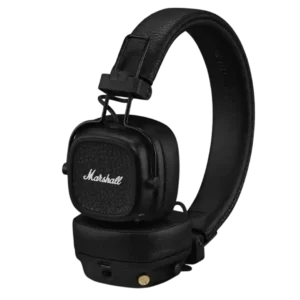
Multipoint generally worked well, though one reviewer noted playback must be paused on one device before switching.
Pros: Battery, Overall recommendation
Cons: Active noise cancellation, Noise isolation (passive)

Laptop-to-phone switching is usually convenient and seamless, making the headphones useful for work. One test found setup clunky, and another disputed multipoint availability despite many successful reports.
Pros: Comfort during long use, Overall recommendation
Cons: Bass performance, Build quality

Automatic device switching worked well inside Apple's ecosystem and exceeded conventional Bluetooth multipoint for reviewers.
Pros: Active noise cancellation, Sound quality
Cons: Value for money, Carry case quality
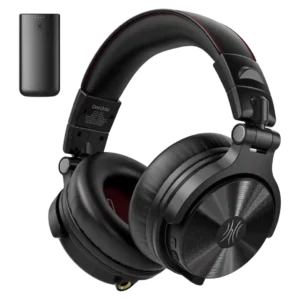
Multipoint was appreciated for convenience, but reviewers noted tradeoffs: LDAC can disable it, and some app-supported features only work in Bluetooth mode.
Pros: Overall recommendation, Comfort during long use
Cons: Sound quality, Frequency response accuracy

Two-device pairing makes switching between a phone and computer convenient for many. Reports of interrupted playback, slow switching, and the loss of LDAC keep it from being universally seamless.
Pros: Active noise cancellation, Sound quality
Cons: Bass performance, Midrange clarity
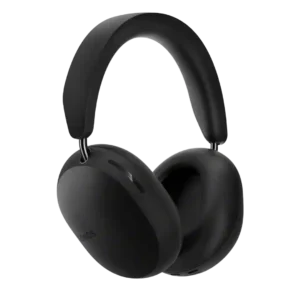
Multipoint was mixed: some reviewers found quick or seamless switching, while PCMag reported unreliable device switching in the app.
Pros: Overall recommendation, Comfort during long use
Cons: Ecosystem integration, Equalizer customization

Multipoint is appreciated when it works, but reviewer experience is mixed: some describe seamless switching while others report quirks when moving back to a phone.
Pros: Comfort during long use, Bass performance
Cons: Value for money, Equalizer customization
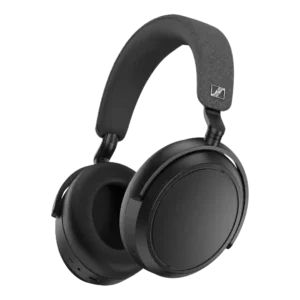
Multipoint was useful when working well, but reliability was mixed because one review reported seamless switching while another saw glitches near previously paired devices.
Pros: Sound quality, Comfort during long use
Cons: Microphone quality for calls, Transparency mode quality

Reports on multipoint conflict: some reviewers say it is absent, while others paired multiple devices or reported dual-device support that worked smoothly. Buyers who depend on true simultaneous multipoint should...
Pros: Water/sweat resistance rating, Comfort during long use
Cons: Value for money, Workout heat and sweat buildup

Multipoint was useful when it worked, but setup and reliability were mixed, with hidden menus, experimental status, and occasional mediocre switching.
Pros: Battery, Sound quality
Cons: App, Multipoint connectivity reliability

Automatic switching can work well inside supported ecosystems, but there is no true simultaneous Android-and-iPhone multipoint connection.
Pros: Overall recommendation, Replaceable pads/headband
Cons: 3.5mm analog input availability, Travel friendliness