Best for Connectivity options
FiiO FT13
5.0 attribute score
Highest scored product for this attribute based on supporting review evidence.

Highest scored product for this attribute based on supporting review evidence.
Balances the attribute score, supporting reviews, and overall product strength.
Has the broadest review evidence for this attribute.
Strongest overall product among items with scored evidence for this attribute.
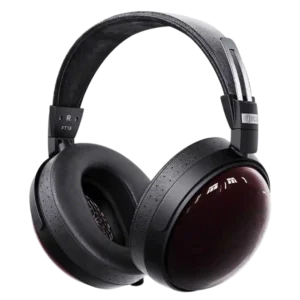
The modular cable and included 3.5mm, 4.4mm, 6.35mm, and XLR options make the FT13 unusually easy to integrate with portable and desktop gear. Connectivity is one of the package’s clearest...
Pros: Bass performance, Comfort during long use
Cons: Treble clarity, Midrange clarity

Bluetooth, multipoint, a pre-paired adapter, and wired options give the headset unusually broad flexibility across office and personal devices.
Pros: Battery, Charging
Cons: Value for money, Codec support

Connection flexibility is excellent, spanning Bluetooth, analog 3.5mm, and USB audio in supported setups. Reviewers liked being able to choose the best connection for each device.
Pros: Battery, Design and Aesthetics
Cons: Clamping force comfort, Soundstage width
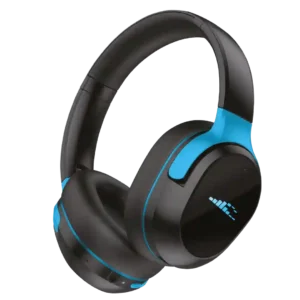
Bluetooth and wired 3.5mm playback give the headphones useful flexibility for phones, airplanes, and other everyday sources.
Pros: Water/sweat resistance rating, Comfort during long use
Cons: Value for money, Workout heat and sweat buildup

Connectivity was a standout for Apple users, with automatic switching reducing the need for manual multipoint management.
Pros: Active noise cancellation, Sound quality
Cons: Value for money, Carry case quality
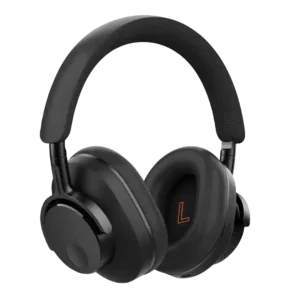
Wired listening options are appreciated as part of the broader connectivity package.
Pros: Overall recommendation, Comfort during long use
Cons: Headband padding quality, Spatial audio

Bluetooth 6.0, multipoint, LDAC, LE Audio, Auracast, and wired playback create one of the broadest connection packages in the class.
Pros: Overall recommendation, Active noise cancellation
Cons: Bass performance, Clamping force comfort
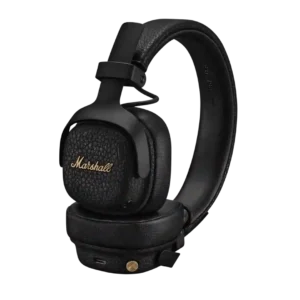
Wired USB-C, USB-C-to-3.5mm, Bluetooth, LDAC, and multipoint provide excellent connection flexibility across travel and desk setups.
Pros: Overall recommendation, Battery
Cons: Wear detection auto-pause, Noise isolation (passive)

Connectivity is unusually flexible, with Bluetooth, 3.5mm analog and USB-C digital listening all available.
Pros: Active noise cancellation, Overall recommendation
Cons: Carry case quality, Value for money
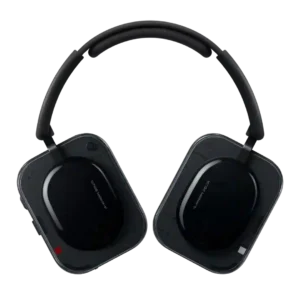
Connectivity is unusually versatile, combining Bluetooth with USB-C digital audio and a 3.5mm wired option.
Pros: Battery, Active noise cancellation
Cons: Bass performance, Carry case quality
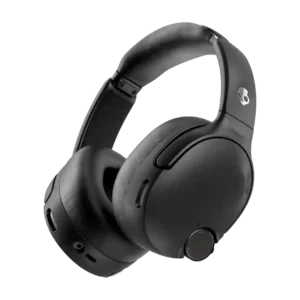
Connectivity is flexible, covering Bluetooth multipoint, USB audio, and 3.5mm analog playback. The analog mode even works with the headphones powered off, though powered features are then unavailable.
Pros: Value for money, Bass performance
Cons: Weight comfort, Frequency response accuracy
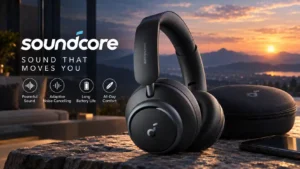
Having both wired and wireless listening is specifically welcomed as useful flexibility. It lets buyers choose how to connect rather than relying exclusively on Bluetooth.
Pros: Active noise cancellation, Sound quality
Cons: Headband padding quality, Workout heat and sweat buildup
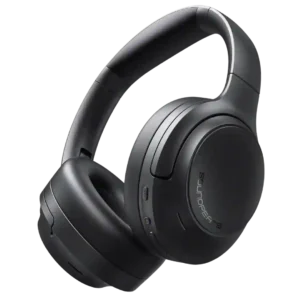
Connectivity is more flexible than expected for the class, combining stable Bluetooth, multipoint, and USB-C digital audio.
Pros: Overall satisfaction, Sound quality
Cons: Carry case quality, Transparency mode quality
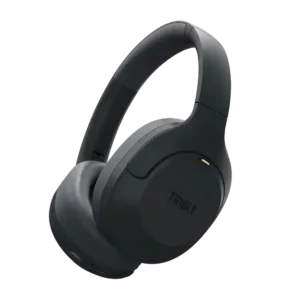
The mix of stable Bluetooth, multipoint, and a 3.5mm wired fallback gives the headphones unusually flexible connectivity for the price.
Pros: Value for money, Sound quality
Cons: Button control usability, App
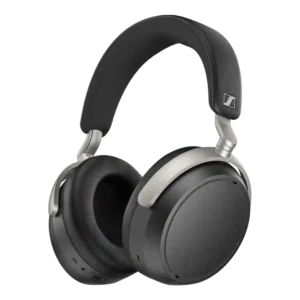
Connectivity flexibility is a standout theme, with reviewers praising analog, USB-C, Bluetooth, and dongle-based listening options.
Pros: Sound quality, Active noise cancellation
Cons: Premium feel, Multipoint connectivity reliability
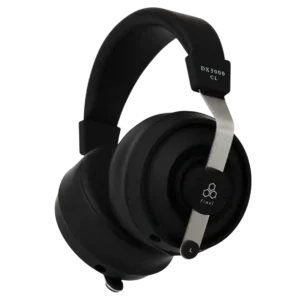
Balanced 4.4mm support and the included 6.3mm adapter give the DX3000CL strong compatibility with dedicated audio gear. The unusual device-side termination setup is much less convenient for standard 3.5mm equipment.
Pros: Overall recommendation, Instrument separation
Cons: Dynamic performance, 3.5mm analog input availability
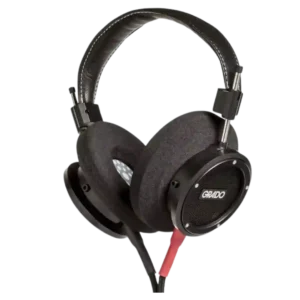
Mini-XLR connections and optional cable lengths or balanced terminations give the S750 unusually flexible wired connectivity. Reviewers liked being able to tailor the cable setup to different sources and room...
Pros: Build quality, Overall satisfaction
Cons: Comfort during long use, Weight comfort
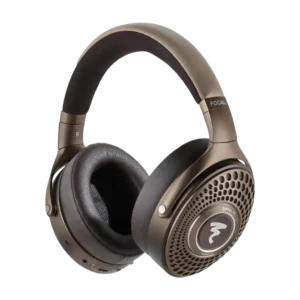
Connectivity options are a major strength, with reviewers praising the combination of Bluetooth, USB-DAC and wired listening flexibility.
Pros: Comfort during long use, Bass performance
Cons: Value for money, Equalizer customization
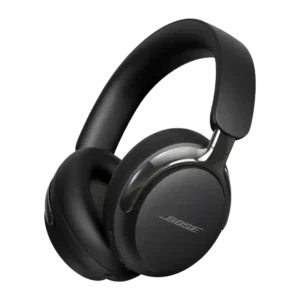
Connectivity options are a strength because reviewers say USB-C, analog, and Bluetooth make it hard to be stuck without a usable connection.
Pros: Active noise cancellation, Comfort during long use
Cons: Value for money, Equalizer customization
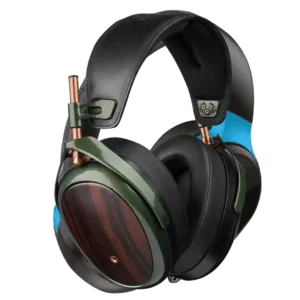
Dual 3.5mm earcup inputs, 3.5mm and balanced 4.4mm cables, and an adapter make the wired setup flexible across portable and desktop gear.
Pros: Bass performance, Design and Aesthetics
Cons: Headband adjustability
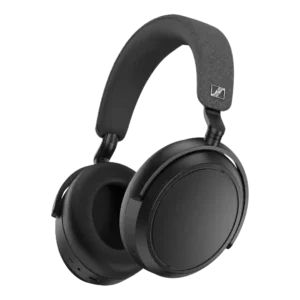
Connectivity options were strongly praised, especially the mix of Bluetooth, analog, USB-C, and practical fallback listening modes.
Pros: Sound quality, Comfort during long use
Cons: Microphone quality for calls, Transparency mode quality
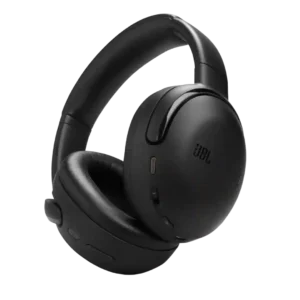
Connectivity options were a signature strength, with reviewers praising the ability to connect to phones, laptops, planes, older devices, and many sources.
Pros: Sound quality, Dongle
Cons: Premium feel, Build quality
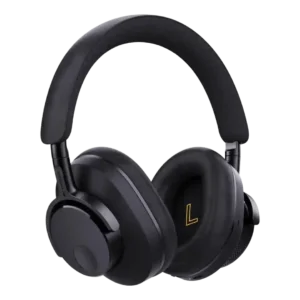
Connectivity options were a strength, with reviewers valuing Bluetooth, USB-C digital audio, 3.5mm support and included cables.
Pros: Value for money, Sound quality
Cons: Stability, Wind noise handling
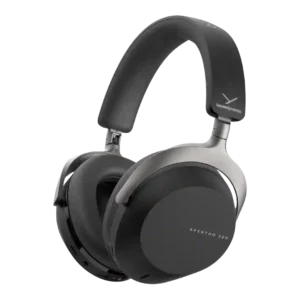
Connectivity options are a strength, with reviewers praising wired and wireless flexibility.
Pros: Bass performance, Sound quality
Cons: Active noise cancellation, Comfort during long use

Bluetooth, USB audio, and an analog socket make these unusually flexible for work, travel, and everyday listening. Wired ANC is especially useful when Bluetooth is unavailable.
Pros: Comfort during long use, Ear cup padding quality
Cons: Frequency response accuracy, Treble clarity
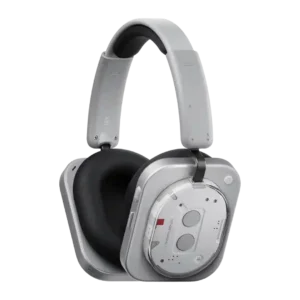
Connectivity was a major strength, with reviewers praising the mix of USB-C, 3.5mm, multipoint, and app/device support.
Pros: Sound quality, Battery
Cons: Weight comfort, Soundstage width
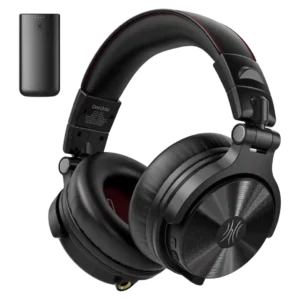
Connectivity was one of the most consistent strengths, with praise for wired 3.5mm/6.35mm, Bluetooth and low-latency wireless flexibility.
Pros: Overall recommendation, Comfort during long use
Cons: Sound quality, Frequency response accuracy
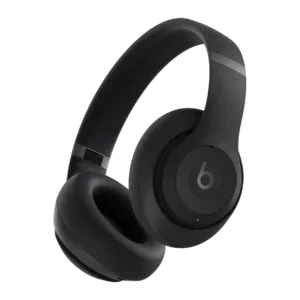
Connectivity options were a strength, with Bluetooth, 3.5mm, and USB-C audio repeatedly appreciated.
Pros: Sound quality, Active noise cancellation
Cons: Comfort during long use, Value for money
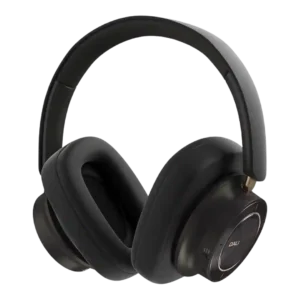
Connectivity was a strength, with reviewers valuing the wired, wireless, USB-C, and passive listening flexibility.
Pros: Bass performance, Sound quality
Cons: Active noise cancellation, App
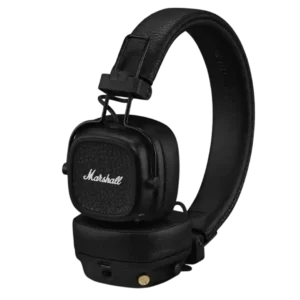
Connectivity options were praised for wired listening, sharing audio, and useful device switching.
Pros: Battery, Overall recommendation
Cons: Active noise cancellation, Noise isolation (passive)
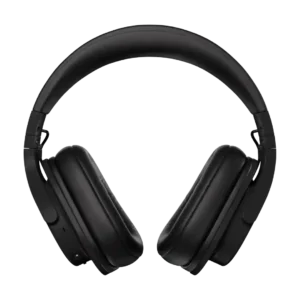
Connectivity options were praised for everyday convenience and, in the WL500 transcript, faster cable-free workflow.
Pros: Overall recommendation, Value for money
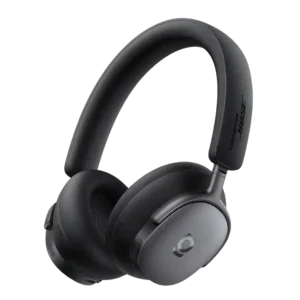
Connectivity options had limited positive evidence, mainly for the included cable providing a zero-latency wired option.
Pros: Bass performance, Overall recommendation
Cons: Transparency mode quality, Immersive audio quality
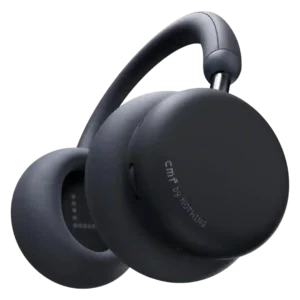
Connectivity is flexible and well executed, combining wireless codecs with wired 3.5mm listening and reliable pairing options. Reviewers generally found the overall connection setup solid.
Pros: Sound quality, Active noise cancellation
Cons: Treble clarity, Equalizer customization
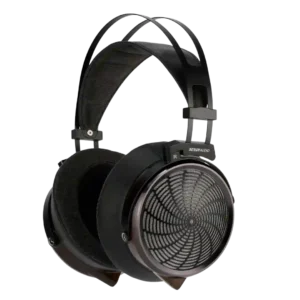
The balanced cable and included 3.5mm and 6.35mm adapters cover many portable and desktop sources. The adapter stack can become bulky, but compatibility is broad out of the box.
Pros: Build quality, Comfort during long use
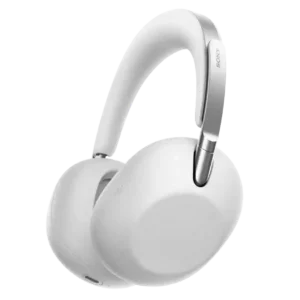
Wireless, multipoint, analog, LE Audio, and app-based options make the headphones flexible in everyday use despite the missing USB-C audio path.
Pros: Comfort during long use, Premium feel
Cons: Battery, Value for money
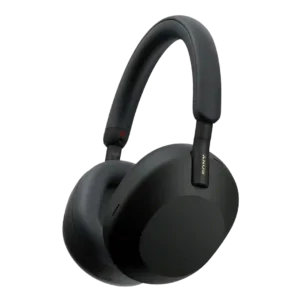
Connectivity options were viewed as versatile thanks to Bluetooth, analog cable use, and multipoint support.
Pros: Active noise cancellation, Comfort during long use
Cons: Portability/foldability

Connectivity options benefited from the welcome wired fallback in addition to Bluetooth features.
Pros: Battery, Active noise cancellation
Cons: Transparency mode quality, Carry case quality
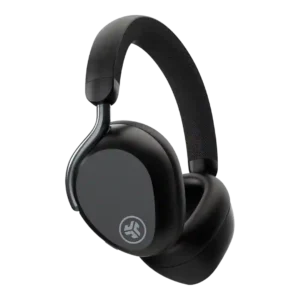
Connectivity options were praised for combining wired, wireless, multipoint, and premium feature support.
Pros: Comfort during long use, Charging
Cons: Spatial audio, Volume output
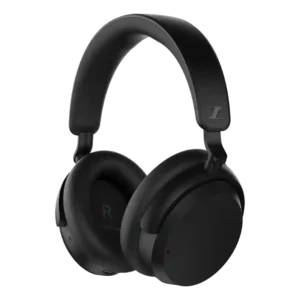
Connectivity options were a strength, especially USB-C wired audio, Bluetooth, and two-device use.
Pros: Sound quality, Overall recommendation
Cons: Active noise cancellation, Microphone quality for calls

Connectivity options are a strength, with adapters and plug-straight-in usefulness praised across sources.
Pros: Design and Aesthetics, Built-in DAC and hi-res playback
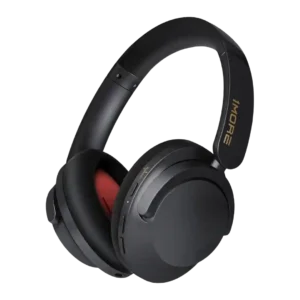
Connectivity options were strong overall, especially wired use, headphone-jack fallback, and ANC while wired in some testing.
Pros: Battery, Sound quality
Cons: App, Multipoint connectivity reliability

The detachable dual-entry cable and adapters provide useful wired flexibility, including aftermarket balanced-cable options. The uncommon connector arrangement may make replacements less convenient.
Pros: Comfort during long use, Sound quality
Cons: Treble clarity, Durability over time
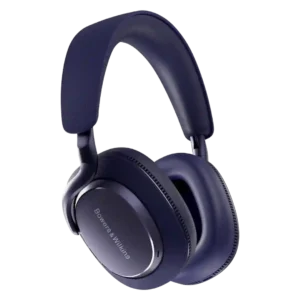
Connectivity options are considered flexible, especially USB-C and wired modes, but dead-battery wired listening is a noted limitation.
Pros: Sound quality, Active noise cancellation
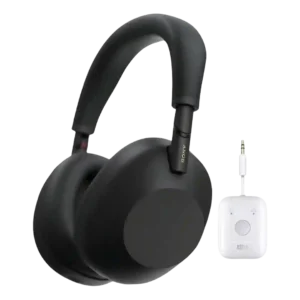
Connectivity options were praised for convenient device switching and multipoint behavior.
Pros: Sound quality, Active noise cancellation
Cons: Touch control responsiveness, Spatial audio
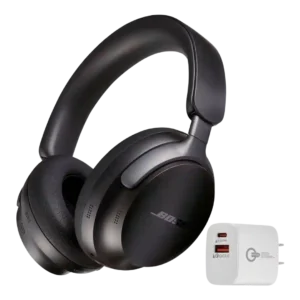
Reviewers were generally positive about connectivity options, though the supporting evidence sometimes included context or small caveats.
Pros: Active noise cancellation, Sound quality
Cons: Battery, Immersive audio quality
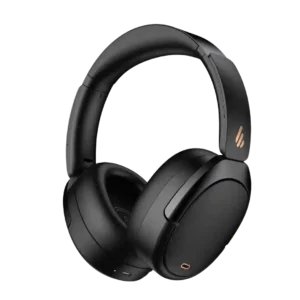
Connectivity options were praised for dual-device use without constant reconnecting.
Pros: Battery, Value for money
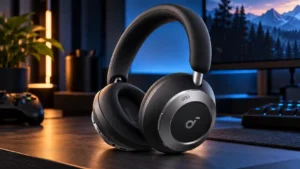
Ordinary wireless connections are usually dependable and analog listening adds flexibility. A few dual-device playback problems weaken confidence in more complicated setups.
Pros: Sound quality, Comfort during long use
Cons: Carry case quality, Included accessories
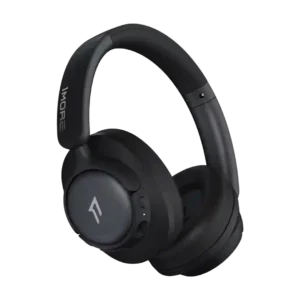
Connectivity options were useful where reviewed, especially wired fallback and simple USB-C plug-and-play use.
Pros: Battery, Sound quality
Cons: Midrange clarity, Button control usability
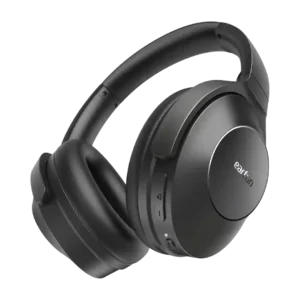
Connectivity options receive limited positive evidence for USB-C audio use and modern USB-C convenience.
Pros: Battery, Equalizer customization
Cons: ANC background noise level, Active noise cancellation
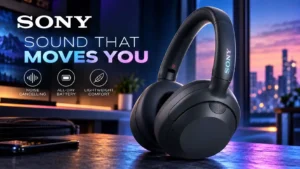
The combination of connection options is viewed as a selling point. It supports a flexible listening experience.
Pros: Active noise cancellation, Sound quality
Cons: Bass performance, Midrange clarity