
If you want better ANC sound impact on audio
Choose CMF Headphone Pro. It scores 5.0 vs 1.5 for ANC sound impact on audio, with a 4.0 overall score.

Choose these for excellent ANC, lightweight comfort, easy physical controls and strong everyday sound. Skip them at full price if you want premium materials, marathon battery life, advanced wireless codecs or dependable outdoor call quality.
Frequent travelers, commuters and office listeners who prioritize strong ANC, low weight, simple physical controls and an easy everyday sound will get the most from them.
Skip them if you need premium materials, very long battery life, high-resolution wireless codecs, workout protection or consistently strong outdoor call quality.
The QuietComfort (2nd Gen) gets the fundamentals right: noise cancellation is consistently near flagship level, the light folding design is exceptionally travel-friendly, and most reviewers found the sound more balanced and refined than earlier standard QuietComfort models. USB-C lossless playback, physical buttons and improved seal handling for glasses add practical value. The tradeoffs are unusually consistent too. The plastic construction often feels cheaper than the price suggests, the three-band EQ and software depth are limited, and roughly 24 hours of battery life now looks short. Call quality is also less dependable in wind and busy streets. At full price the value is debated, but the package becomes much easier to justify when discounted.
Compared with other Over-Ear Headphones, this product is above average in Idle static noise, Wind noise handling, Portability/foldability, near average in Design and Aesthetics, Transparency mode quality, below average in Auto-play/wear detection, Battery, Wear detection auto-pause.
| Attribute | This product | Category average | Difference |
|---|---|---|---|
| Auto-play/wear detection | 1.0 | 3.2 | -2.2 |
| Battery | 2.7 | 4.5 | -1.7 |
| Wear detection auto-pause | 1.0 | 3.2 | -2.2 |
| ANC effect on sound signature | 1.5 | 3.7 | -2.2 |
| ANC sound impact on audio | 1.5 | 3.7 | -2.2 |
| Build quality | 2.3 | 4.2 | -1.8 |
| LDAC | 1.3 | 3.3 | -2.0 |
| Volume output | 2.0 | 4.0 | -2.0 |
Choose CMF Headphone Pro. It scores 5.0 vs 1.5 for ANC sound impact on audio, with a 4.0 overall score.
Choose Soundcore Anker Space One Pro. It scores 4.7 vs 2.7 for Battery, with a 3.9 overall score.
Choose JBL Live 780NC. It scores 5.0 vs 1.0 for Wear detection auto-pause, with a 4.0 overall score.
Choose Soundcore Anker Space One. It scores 4.8 vs 1.3 for Smudge resistance, with a 3.9 overall score.
Products reviewers directly compared with this model, grouped into quick takeaways.
It is the strongest consensus feature. Most testers found it near flagship level for travel, office and city noise, though Bose's Ultra and some top rivals can still be slightly stronger.
Usually yes. The low weight and soft padding earned repeated praise, but a minority of reviewers felt clamp or earcup pressure after 90 minutes to several hours.
Expect about 24 hours with ANC and roughly 18 hours with Immersive Audio. Reviewers generally found that usable but short compared with many current competitors.
Yes, over USB-C at up to 24-bit/48kHz. Wireless playback is limited to basic codecs, with no aptX or LDAC support.
No native analog jack is built in, but Bose includes a USB-C-to-3.5mm cable for sources such as airplane entertainment systems. Wired playback still requires the headphones to be powered.
Calls are generally fine in quiet rooms, but results are mixed outdoors. Several reviewers heard too much wind or ambient noise, compressed voice quality, or weaker intelligibility in busy environments.
Opinions are mixed at full price because of the plastic build, short battery life and limited EQ. Several reviewers said the value becomes much stronger around $299 or when the Ultra is not heavily discounted.
These are a few of the reviews included in our analysis.

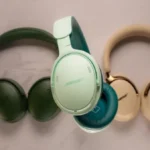

The Bose QuietComfort Headphones (2nd Gen) sound fantastic and feel comfortable to wear, but after testing them thoroughly I'm still not sure...
The Bose QuietComfort Gen 2 bring improved comfort, better ANC, and lossless audio. Are they the best all-rounder ANC headphones you can buy...
With TrueSpatial technology, Immersion and Cinema modes, plus improved noise cancellation, Bose’s latest QuietComfort headphones pack in more...
The Quietcomfort is a stalwart when it comes to ANC headphones and Bose hasn't changed a winning formula but is it enough in this day and age?
Ultra-level features and a few design tweaks highlight the updates on the second-gen QuietComfort Headphones.
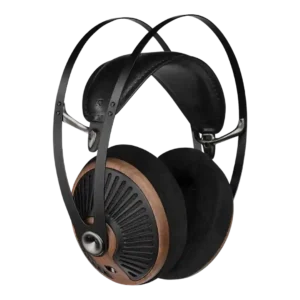
Choose the 105 Silva for beautiful, repairable construction, superb comfort, easy driveability, and an engaging spacious sound. Skip it if you need isolation, balanced connectivity, heavy sub-bass, or consistently smooth...
Pros: Design and Aesthetics, Overall recommendation
Cons: Noise isolation (passive), Connectivity options

Choose it if your workday revolves around calls and you want exceptional mic isolation, huge battery life, all-day comfort, and a slim travel-friendly design. Skip it if music fidelity, class-leading...
Pros: Battery, Charging
Cons: Value for money, Codec support

Choose the Aventho 100 for standout battery life, portable retro styling, strong ANC, and flexible wired/wireless use. Skip it if you dislike on-ear pressure or want a wide, consistently neutral...
Pros: Battery, Design and Aesthetics
Cons: Clamping force comfort, Soundstage width
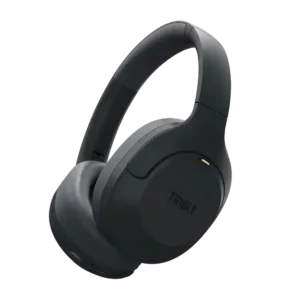
Best for exceptional battery life, useful ANC, flexible EQ, and strong budget value. Skip it if refined, detailed sound or polished controls matter more than price.
Pros: Value for money, Sound quality
Cons: Button control usability, App