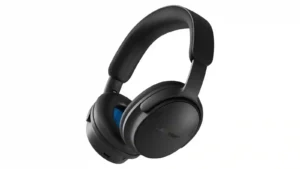
Multipoint reliability is excellent in the tests that covered it. Laptop-to-phone switching was fast and seamless, including incoming-call handoffs.
Pros: Overall recommendation, Active noise cancellation
Cons: Battery, Equalizer customization

Multipoint reliability is excellent in the tests that covered it. Laptop-to-phone switching was fast and seamless, including incoming-call handoffs.
Pros: Overall recommendation, Active noise cancellation
Cons: Battery, Equalizer customization

Multipoint is a standout success, switching smoothly between two phones or across phone, tablet, and computer setups.
Pros: Overall recommendation, Battery
Cons: Wear detection auto-pause, Noise isolation (passive)

Dual-device switching worked reliably in the reviews that tested it, including mixed Android, Mac and phone use.
Pros: Active noise cancellation, Overall recommendation
Cons: Carry case quality, Value for money

Multipoint switching worked flawlessly in direct testing between an Android phone and an iPhone. Playback handed off cleanly without needing to reconnect devices.
Pros: Value for money, Bass performance
Cons: Weight comfort, Frequency response accuracy

Multipoint connectivity can handle two devices cleanly, and at least one long-form test reported flawless operation.
Pros: Comfort during long use, Premium feel
Cons: Battery, Value for money

Two-device switching is one of the strongest practical features, with laptop-and-phone handoffs repeatedly described as effortless or reliable. Adapter priority can affect media behavior in one setup.
Pros: Battery, Charging
Cons: Value for money, Codec support

Multipoint is generally easy and reliable once enabled, with reviewers praising quick switching between a phone and laptop or other paired devices.
Pros: Battery, Active noise cancellation
Cons: Bass performance, Carry case quality

Phone-and-computer or phone-and-tablet switching is generally stable and convenient. Automatic and manual switching options are appreciated, although transitions can take a few seconds.
Pros: Active noise cancellation, Sound quality
Cons: Carry case quality, Included accessories
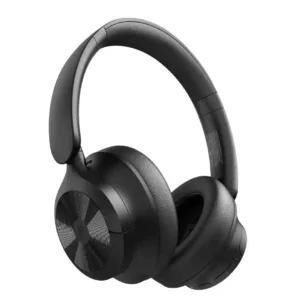
Multipoint is a standout convenience, with several reviewers reporting seamless or easy switching between two connected devices.
Pros: Comfort during long use, Sound quality
Cons: Button control usability, Codec support

Multipoint usually switches quickly and seamlessly between phones and computers. Some tests found buggy handoffs or required playback to be paused on the first device.
Pros: Overall recommendation, Active noise cancellation
Cons: Bass performance, Clamping force comfort

Two-device switching is usually convenient for moving between a phone and computer. LDAC restrictions and occasional interruptions when another device resumes playback are the main tradeoffs.
Pros: Comfort during long use, Ear cup padding quality
Cons: Frequency response accuracy, Treble clarity

Multipoint was positively noted because LDAC remained available with dual-device use rather than forcing a lower-quality codec.
Pros: Battery, Active noise cancellation
Cons: Transparency mode quality, Carry case quality

Multipoint was appreciated for convenience, but reviewers noted tradeoffs: LDAC can disable it, and some app-supported features only work in Bluetooth mode.
Pros: Overall recommendation, Comfort during long use
Cons: Sound quality, Frequency response accuracy

Automatic switching can work well inside supported ecosystems, but there is no true simultaneous Android-and-iPhone multipoint connection.
Pros: Overall recommendation, Replaceable pads/headband
Cons: 3.5mm analog input availability, Travel friendliness