Best for Instrument separation
Sennheiser HDB 630 Wireless Over-Ear Headphones
5.0 attribute score
Highest scored product for this attribute based on supporting review evidence.

Highest scored product for this attribute based on supporting review evidence.
Balances the attribute score, supporting reviews, and overall product strength.
Has the broadest review evidence for this attribute.
Strongest overall product among items with scored evidence for this attribute.
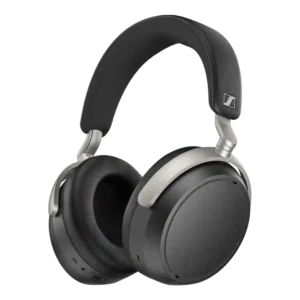
Instrument separation and imaging are one of the clearest consensus wins, with reviewers repeatedly hearing precise placement, layering, and distinct elements.
Pros: Sound quality, Active noise cancellation
Cons: Premium feel, Multipoint connectivity reliability
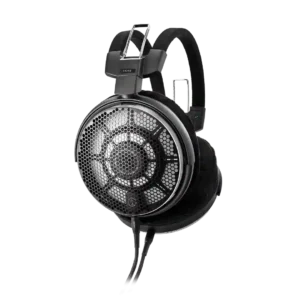
Complex arrangements are usually easy to follow, with instruments staying distinct and layered across the stereo field. This separation remains strong even when the bass is elevated.
Pros: Overall recommendation, Bass performance
Cons: Value for money, Cable quality
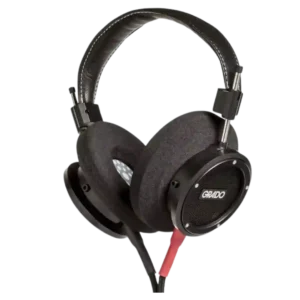
Complex mixes stay exceptionally easy to untangle, with instruments and voices given clear space and localization. Dense orchestral, jazz, and rock passages remain layered rather than collapsing together.
Pros: Build quality, Overall satisfaction
Cons: Comfort during long use, Weight comfort
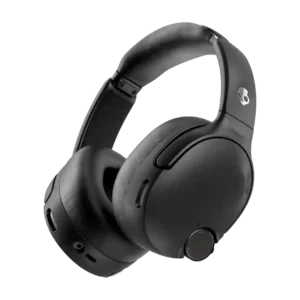
Improved separation makes smaller instrumental details easier to pick out. Reviewers heard a cleaner, less congested presentation than on earlier Skullcandy headphones.
Pros: Value for money, Bass performance
Cons: Weight comfort, Frequency response accuracy
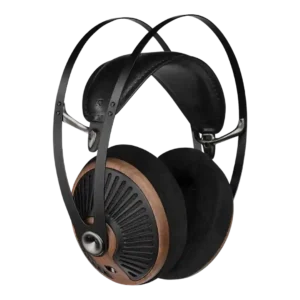
Separation is one of the clearest strengths: vocals, instruments, and background textures remain easy to follow even in busy passages. Stereo movement and positioning stay coherent without sounding artificially pulled...
Pros: Design and Aesthetics, Overall recommendation
Cons: Noise isolation (passive), Connectivity options
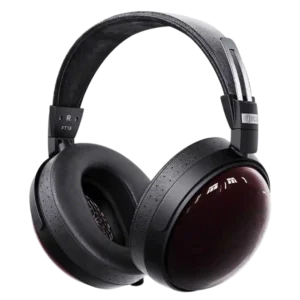
Separation is one of the most consistent technical wins. Busy mixes remain organized, with vocals, instruments, and ambient layers clearly divided even when the tuning itself is divisive.
Pros: Bass performance, Comfort during long use
Cons: Treble clarity, Midrange clarity
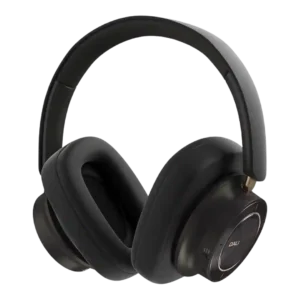
Instrument separation was a standout strength, repeatedly described as outstanding, accurate, layered, and clearly spaced.
Pros: Bass performance, Sound quality
Cons: Active noise cancellation, App
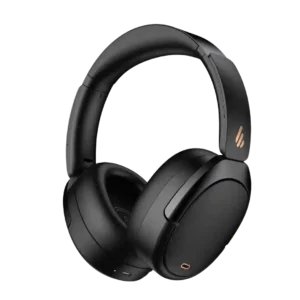
Instrument separation was praised for revealing individual instruments and layers clearly.
Pros: Battery, Value for money
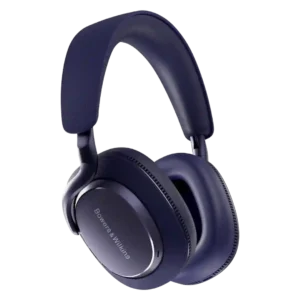
Instrument separation is one of the most consistent audio strengths, with reviewers praising clarity, layering, and imaging.
Pros: Sound quality, Active noise cancellation

Reviewers praise instrument separation, imaging and placement, often saying the Bathys MG reveals layers, positions instruments clearly and keeps complex mixes organized.
Pros: Comfort during long use, Bass performance
Cons: Value for money, Equalizer customization
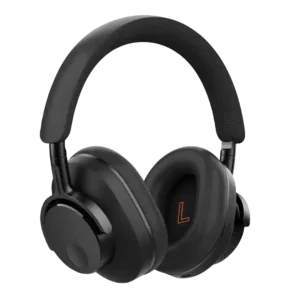
Detail retrieval and instrument separation are praised in both written and hands-on listening tests.
Pros: Overall recommendation, Comfort during long use
Cons: Headband padding quality, Spatial audio
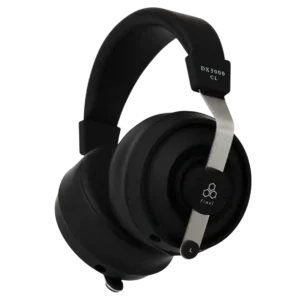
Instruments are usually easy to distinguish, with strong spacing and little smearing even in busy recordings. A warmer bass-to-mid blend can reduce separation for listeners seeking surgical precision.
Pros: Overall recommendation, Instrument separation
Cons: Dynamic performance, 3.5mm analog input availability
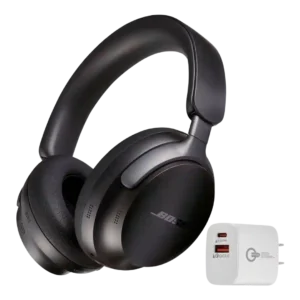
Reviewers treated instrument separation as a standout strength, with praise repeated across the supporting review evidence.
Pros: Active noise cancellation, Sound quality
Cons: Battery, Immersive audio quality

Instrument separation improved noticeably, with reviewers hearing more distinct placement and cleaner layering.
Pros: Active noise cancellation, Sound quality
Cons: Value for money, Carry case quality
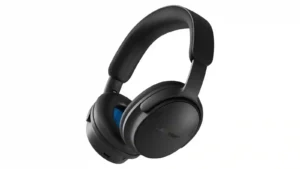
Separation is a strong point, with guitars, keys, vocals, and layered parts generally easy to distinguish. USB-C listening can sharpen separation further.
Pros: Overall recommendation, Active noise cancellation
Cons: Battery, Equalizer customization

Detailed-listening comments were positive, with reviewers noticing small effects and new song details.
Pros: Comfort during long use, Charging
Cons: Spatial audio, Volume output
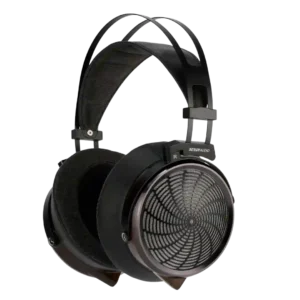
Dense arrangements remain organized, with individual instruments easy to distinguish without sounding artificially disconnected. Fast passages and layered mixes are handled especially well.
Pros: Build quality, Comfort during long use
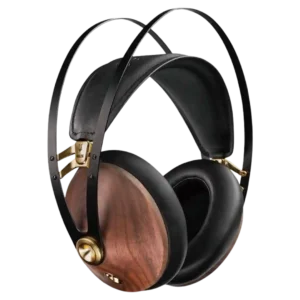
Instrument separation is consistently strong, keeping dense arrangements organized and individual parts easy to follow.
Pros: Overall satisfaction, Bass performance
Cons: Replaceable earpads
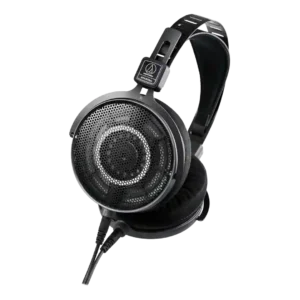
Instrument separation and imaging are repeatedly praised, especially for stereo placement, mix decisions, and hearing individual elements clearly.
Pros: Sound quality, Overall recommendation
Cons: Cable quality, Volume output
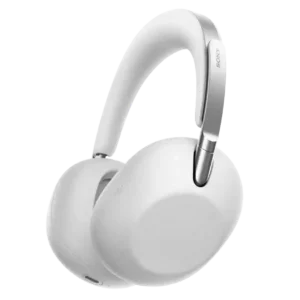
Instrument separation is repeatedly praised, with vocals and individual parts occupying clear positions across the wide stage. Dense arrangements can expose some tuning limitations.
Pros: Comfort during long use, Premium feel
Cons: Battery, Value for money

Instrument separation was a notable strength, with reviewers saying instruments were easy to place or pick apart in the mix.
Pros: Battery, Active noise cancellation
Cons: Transparency mode quality, Carry case quality
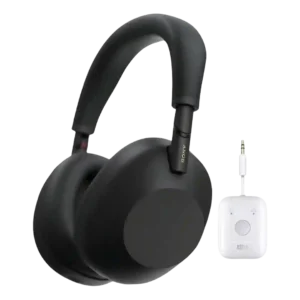
Instrument separation earned positive but limited evidence, with reviewers hearing better placement and clearer separation in the XM6.
Pros: Sound quality, Active noise cancellation
Cons: Touch control responsiveness, Spatial audio

Instrument separation was praised, especially for vocals and layered music, though one review framed it as enjoyable rather than reference-grade.
Pros: Overall recommendation, Value for money

Layering and separation are clear strengths, giving instruments distinct space even in busy arrangements. A few listeners hear less depth or coherence when the treble dominates.
Pros: Bass performance, Design and Aesthetics
Cons: Headband adjustability

Instrument separation was a recurring strength, with reviewers noting clear detail retrieval, distinct vocals and instruments, and strong layering.
Pros: Value for money, Sound quality
Cons: Stability, Wind noise handling
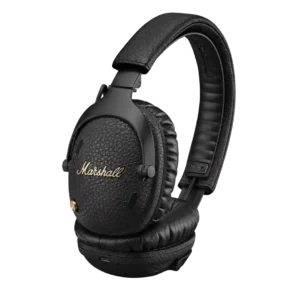
Instrument separation was a consistent strength when mentioned, with reviewers noting solid layering, instrument placement, and separation across bass, mids, and highs.
Pros: Battery, Active noise cancellation
Cons: Spatial audio, 3.5mm analog input availability
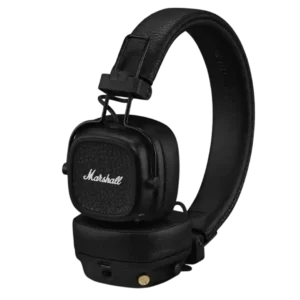
Reviewers who focused on separation generally praised stereo placement, detail visibility, and the ability to follow individual sound elements.
Pros: Battery, Overall recommendation
Cons: Active noise cancellation, Noise isolation (passive)
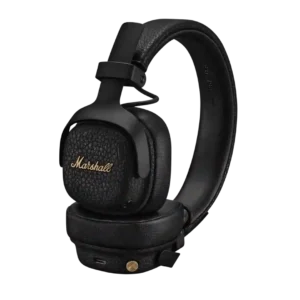
Instrument separation is consistently good, especially over wired playback. It is clear enough for complex music, though not at top audiophile level.
Pros: Overall recommendation, Battery
Cons: Wear detection auto-pause, Noise isolation (passive)
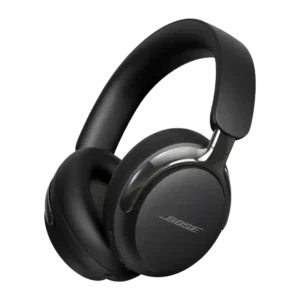
Instrument separation is usually seen as good to excellent, though one reviewer notes it can struggle when mixes get busy.
Pros: Active noise cancellation, Comfort during long use
Cons: Value for money, Equalizer customization

Instrument separation is usually strong enough to keep individual parts distinct, even in busy tracks. The main exception comes from reviewers who heard congestion or weaker separation when mixes became...
Pros: Battery, Design and Aesthetics
Cons: Clamping force comfort, Soundstage width
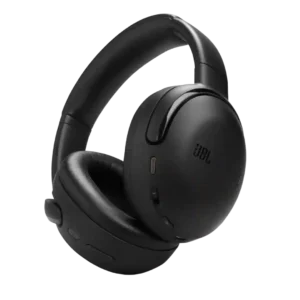
Instrument separation was a clear strength in many reviews, with praise for clarity, spacing, and the ability to pick out details in busy tracks.
Pros: Sound quality, Dongle
Cons: Premium feel, Build quality
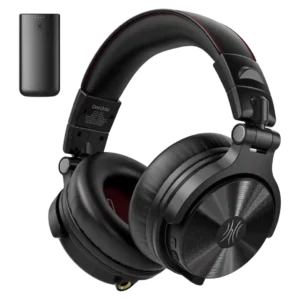
Separation was a strength in the more positive reviews, with praise for clarity and micro-detail, though one reviewer noted separation can suffer in dense bass-heavy tracks.
Pros: Overall recommendation, Comfort during long use
Cons: Sound quality, Frequency response accuracy
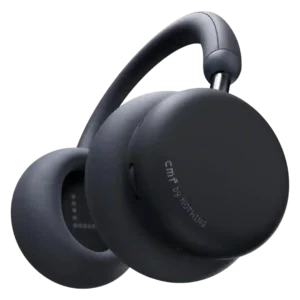
Instrument separation is a clear strength for the money. Reviewers often heard vocals, percussion, guitars, and layered elements distinctly, though dense tracks can expose the limits of the drivers.
Pros: Sound quality, Active noise cancellation
Cons: Treble clarity, Equalizer customization
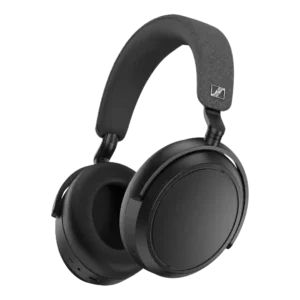
Instrument separation was a recurring strength, with reviewers noting resolving performance, spatial separation, and distinct instruments, though one comparison found stronger separation elsewhere.
Pros: Sound quality, Comfort during long use
Cons: Microphone quality for calls, Transparency mode quality
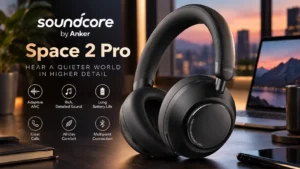
Positive listening tests hear vocals and instruments stay distinct, particularly after EQ. Other tests find the stock bass dominates the mix and obscures separation.
Pros: Active noise cancellation, Sound quality
Cons: Carry case quality, Included accessories

Separation is mostly good, keeping vocals and instruments intelligible even in busier tracks. It still falls short of the precision some premium music-focused headphones deliver.
Pros: Battery, Charging
Cons: Value for money, Codec support

Most reviewers who focused on separation heard cleaner spacing between vocals and instruments. One prominent comparison found the Pro more muddled than Sony and AirPods Max, making this a point...
Pros: Active noise cancellation, Overall recommendation
Cons: Carry case quality, Value for money

Instrument separation is usually strong, helping busy arrangements stay distinct, though heavy bass can introduce some congestion.
Pros: Overall recommendation, Replaceable pads/headband
Cons: 3.5mm analog input availability, Travel friendliness

Separation is usually clear and layered, particularly with LDAC or wired playback. Dense, bass-heavy mixes can still collapse into congestion when the default tuning overwhelms the mids.
Pros: Overall recommendation, Active noise cancellation
Cons: Bass performance, Clamping force comfort
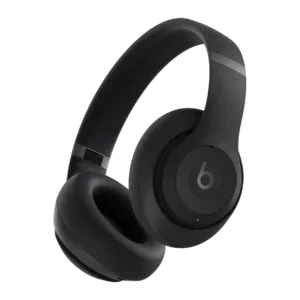
Instrument separation drew praise in several reviews, especially on complex tracks and spatially busy mixes.
Pros: Sound quality, Active noise cancellation
Cons: Comfort during long use, Value for money

Several reviewers praised instrument separation and layering, but one technical review criticized image separation and fine detail as weak.
Pros: Sound quality, Active noise cancellation
Cons: Carry case quality, Value for money
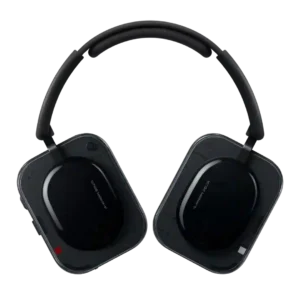
Instrument separation is usually described as clean and easy to follow, though it does not consistently reach the layering precision of more audiophile-focused rivals.
Pros: Battery, Active noise cancellation
Cons: Bass performance, Carry case quality
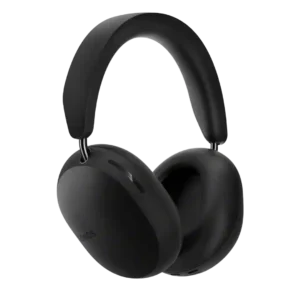
Instrument separation was often praised, but one critical review found the presentation blurry and confused.
Pros: Overall recommendation, Comfort during long use
Cons: Ecosystem integration, Equalizer customization
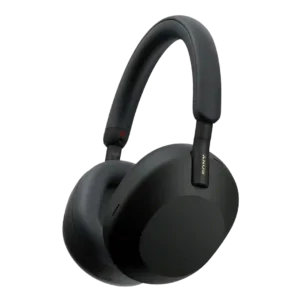
Instrument separation ranged from excellent and distinct to limited for critical listening, depending on reviewer expectations.
Pros: Active noise cancellation, Comfort during long use
Cons: Portability/foldability

Imaging and separation are often impressive for the price, helping both gaming cues and layered music. Complex or bass-heavy passages can become less organized and blur individual parts.
Pros: Comfort during long use, Sound quality
Cons: Treble clarity, Durability over time

Instrument separation can be clear and revealing, especially with EQ. Other assessments hear weaker layering and less distinction than stronger audio-focused alternatives.
Pros: Active noise cancellation, Sound quality
Cons: Headband padding quality, Workout heat and sweat buildup
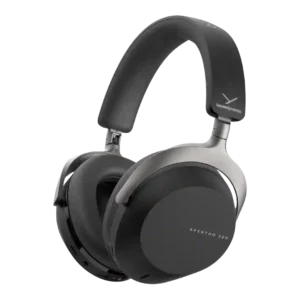
Instrument separation and detail are often praised, though one critical reviewer says the tuning undermines clarity.
Pros: Bass performance, Sound quality
Cons: Active noise cancellation, Comfort during long use

Separation can keep layered voices and instruments distinct, particularly with EQ or lower bass settings. Heavy low-end emphasis can smear complicated arrangements.
Pros: Active noise cancellation, Sound quality
Cons: Bass performance, Midrange clarity
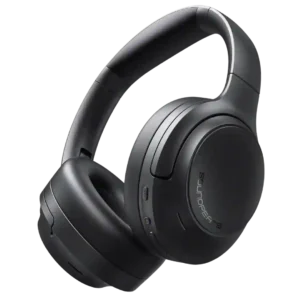
Separation is good when the tuning is under control or LDAC is used, but busy tracks can still sound congested or jumbled.
Pros: Overall satisfaction, Sound quality
Cons: Carry case quality, Transparency mode quality
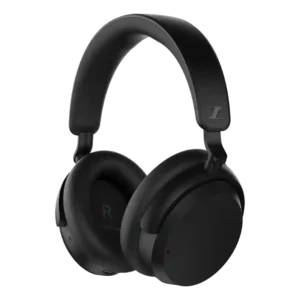
Instrument separation was a strength in some reviews, but comparisons to higher-end models exposed reduced layering and finer detail.
Pros: Sound quality, Overall recommendation
Cons: Active noise cancellation, Microphone quality for calls