Best for 3.5mm analog input availability
Beyerdynamic Aventho 100
5.0 attribute score
Highest scored product for this attribute based on supporting review evidence.

Highest scored product for this attribute based on supporting review evidence.
Balances the attribute score, supporting reviews, and overall product strength.
Has the broadest review evidence for this attribute.
Strongest overall product among items with scored evidence for this attribute.

The 3.5mm input is widely appreciated because it allows passive listening, airplane use, and continued playback when the battery dies. Several reviewers see the wired fallback as a major usability...
Pros: Battery, Design and Aesthetics
Cons: Clamping force comfort, Soundstage width
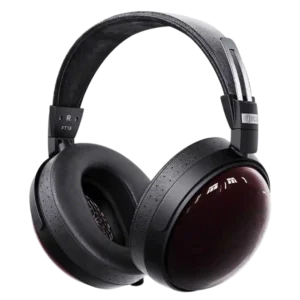
The analog connection system is exceptionally flexible, with reviewers praising how easily the FT13 plugs into common headphone outputs through its modular cable and adapters.
Pros: Bass performance, Comfort during long use
Cons: Treble clarity, Midrange clarity
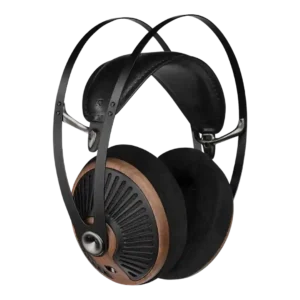
The standard 3.5 mm analog connection is secure and broadly compatible with conventional wired sources. Opinions about the narrow recessed cup sockets are covered separately under cable convenience.
Pros: Design and Aesthetics, Overall recommendation
Cons: Noise isolation (passive), Connectivity options
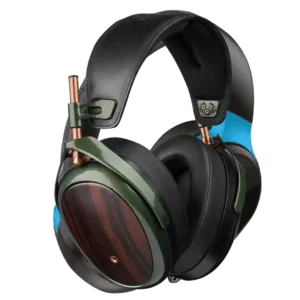
The standard 3.5mm connection is straightforward and plug-and-play with compatible computers and portable devices.
Pros: Bass performance, Design and Aesthetics
Cons: Headband adjustability

The 3.5mm input is genuinely useful for analog sources, adding flexibility for travel and legacy gear.
Pros: Active noise cancellation, Overall recommendation
Cons: Carry case quality, Value for money
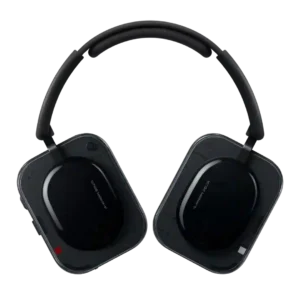
The 3.5mm input is genuinely useful for wired listening, including plane use while keeping ANC active.
Pros: Battery, Active noise cancellation
Cons: Bass performance, Carry case quality

The 3.5mm input adds useful fallback listening and continues to work when the battery is dead. Sensory bass and other powered processing are unavailable in passive mode.
Pros: Value for money, Bass performance
Cons: Weight comfort, Frequency response accuracy

The 3.5mm input is a practical fallback, letting the headphones work wired without relying on battery power. It is also useful for reducing gaming latency.
Pros: Value for money, Sound quality
Cons: Button control usability, App

The 3.5mm analog input is valued as a rare, useful wired option in a premium wireless headphone.
Pros: Comfort during long use, Bass performance
Cons: Value for money, Equalizer customization

The analog jack is a practical bonus for flights, entertainment systems, and wired listening, and several testers specifically appreciated having it.
Pros: Battery, Charging
Cons: Value for money, Codec support

Reviewers valued the analog path mainly for travel and older sources, with the Smart Tx and included AUX/USB-C cabling making airplane and headphone-jack use more practical.
Pros: Sound quality, Dongle
Cons: Premium feel, Build quality

The included 3.5mm input is a valuable backup for airplanes, receivers, and low-latency listening. Wired sound can be strong, although one tester heard ground-loop hum when ANC was active.
Pros: Water/sweat resistance rating, Comfort during long use
Cons: Value for money, Workout heat and sweat buildup
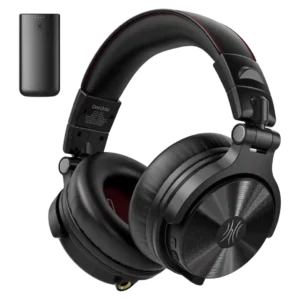
Analog input flexibility was a standout advantage, with repeated praise for built-in 3.5mm/6.35mm support and wired performance.
Pros: Overall recommendation, Comfort during long use
Cons: Sound quality, Frequency response accuracy
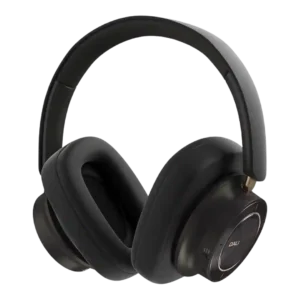
A passive 3.5mm option was treated as a useful fallback that keeps music available when power runs out.
Pros: Bass performance, Sound quality
Cons: Active noise cancellation, App
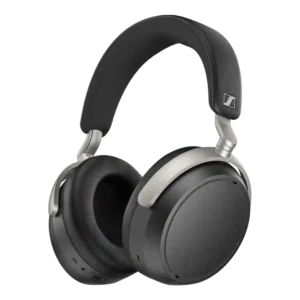
Analog input is treated as part of the headphones' unusually flexible wired/wireless connectivity package.
Pros: Sound quality, Active noise cancellation
Cons: Premium feel, Multipoint connectivity reliability

The 3.5mm input is useful for wired lossless listening, although the headphones still need power for their internal processing.
Pros: Comfort during long use, Premium feel
Cons: Battery, Value for money

The 3.5mm analog input was praised as a welcome wired option.
Pros: Battery, Active noise cancellation
Cons: Transparency mode quality, Carry case quality
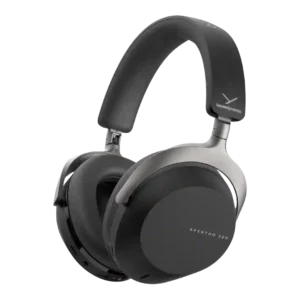
The 3.5mm analog input is treated positively as part of flexible wired listening options.
Pros: Bass performance, Sound quality
Cons: Active noise cancellation, Comfort during long use
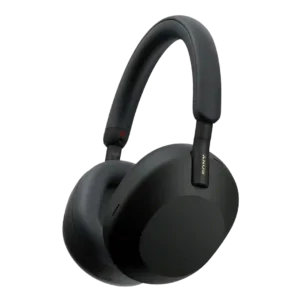
Reviewers valued the retained 3.5mm analog option, especially as a practical fallback for wired playback.
Pros: Active noise cancellation, Comfort during long use
Cons: Portability/foldability
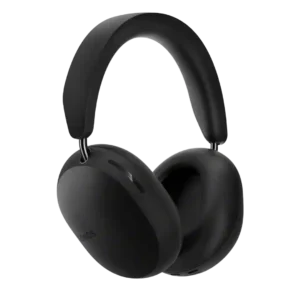
3.5mm analog availability was praised as useful for wired listening and in-flight entertainment.
Pros: Overall recommendation, Comfort during long use
Cons: Ecosystem integration, Equalizer customization

Review evidence treats the included analog cable option as a practical premium accessory for wired use, not just a box-checking extra.
Pros: Sound quality, Active noise cancellation

The analog socket is a welcome option for flights and other wired sources, with ANC still available. Playback generally requires the headphones to be powered and charged.
Pros: Comfort during long use, Ear cup padding quality
Cons: Frequency response accuracy, Treble clarity

Analog or wired 3.5mm capability was mostly valued, especially for dead-battery use, though one reviewer missed a native 3.5mm jack.
Pros: Comfort during long use, Charging
Cons: Spatial audio, Volume output

The 3.5mm input was appreciated as a practical wired listening option.
Pros: Sound quality, Active noise cancellation
Cons: Comfort during long use, Value for money
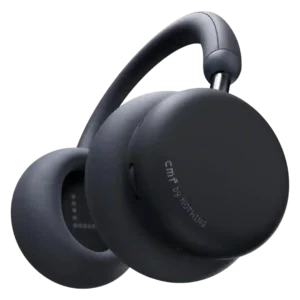
The 3.5mm input is a welcome fallback for zero-latency listening, laptops, older gear, and travel. A caveat is that the headphones still need power for wired playback.
Pros: Sound quality, Active noise cancellation
Cons: Treble clarity, Equalizer customization
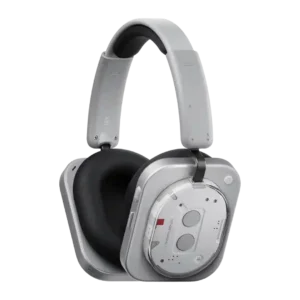
Reviewers liked that wired listening is covered with a 3.5mm jack, often alongside USB-C, making the headphones more flexible for planes and wired sources.
Pros: Sound quality, Battery
Cons: Weight comfort, Soundstage width
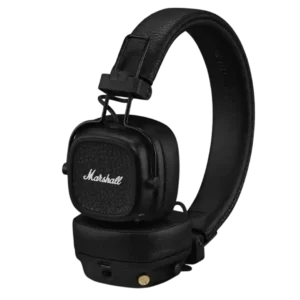
The 3.5mm input was valued for wired listening and audio sharing, with several reviewers calling the sharing trick useful or cool.
Pros: Battery, Overall recommendation
Cons: Active noise cancellation, Noise isolation (passive)

The 3.5mm input was viewed positively as a useful fallback for wired listening.
Pros: Midrange clarity, Comfort during long use
Cons: Build quality, Microphone noise reduction

The analog jack is welcomed as a useful backup and a way to connect older devices. Wired sound receives praise, but accounts disagree about whether playback works with an empty...
Pros: Active noise cancellation, Sound quality
Cons: Headband padding quality, Workout heat and sweat buildup

Analog listening is useful for flight entertainment and when the battery runs out. Powered-off sound receives mixed feedback, ranging from excellent to dull compared with tuned wireless playback.
Pros: Sound quality, Comfort during long use
Cons: Carry case quality, Included accessories

3.5mm analog support was positive overall because reviewers valued wired flexibility, though one reviewer noted the port requires the supplied USB-C adapter.
Pros: Value for money, Sound quality
Cons: Stability, Wind noise handling
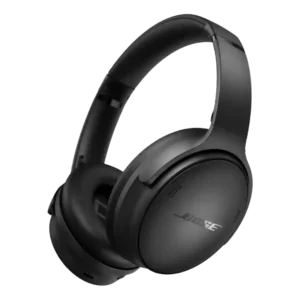
Analog listening was a useful strength, enabling passive or wired use, though one reviewer disliked the nonstandard 2.5mm headphone-side connector.
Pros: Active noise cancellation, Carry case quality
Cons: Features at launch, Treble clarity

The included USB-C-to-3.5mm cable supports legacy wired sources and seatback systems. Analog mode still requires battery power, so it is not a true passive fallback.
Pros: Overall recommendation, Battery
Cons: Wear detection auto-pause, Noise isolation (passive)

The analog input is a useful fallback for airplane entertainment and listening when the battery is depleted. Passive playback can sound less dynamic than powered listening.
Pros: Active noise cancellation, Sound quality
Cons: Carry case quality, Included accessories

The analog input is useful for flights and listening after the battery dies. Passive sound quality divides listeners, ranging from satisfying and clear to an emergency-only compromise.
Pros: Active noise cancellation, Sound quality
Cons: Bass performance, Midrange clarity
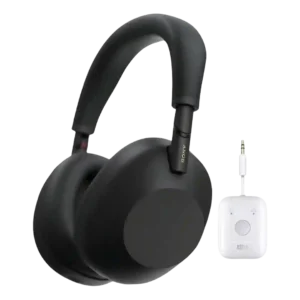
The 3.5mm input was generally appreciated as a practical wired option, especially because it enables analog listening despite missing USB-C audio.
Pros: Sound quality, Active noise cancellation
Cons: Touch control responsiveness, Spatial audio
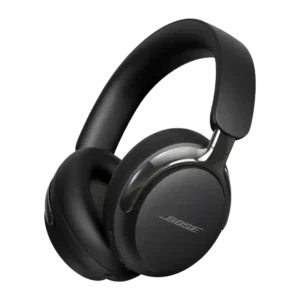
Analog input is useful and dedicated, though one reviewer notes the headphone-side cable connection is less common.
Pros: Active noise cancellation, Comfort during long use
Cons: Value for money, Equalizer customization
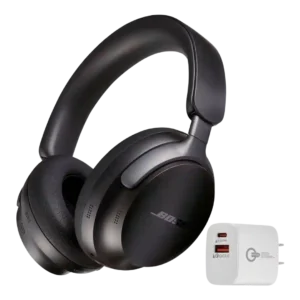
The analog cable input was valued for air travel, especially where in-flight entertainment still needs a wired connection.
Pros: Active noise cancellation, Sound quality
Cons: Battery, Immersive audio quality

The 3.5mm analog option was useful as a wired fallback for conserving battery or when wireless was unnecessary.
Pros: Overall recommendation, Value for money

Analog input was useful, especially for wired listening and ANC while wired, but the nonstandard 2.5mm headphone-side jack hurt convenience.
Pros: Battery, Sound quality
Cons: App, Multipoint connectivity reliability

There is no native 3.5mm jack, which some reviewers consider a real loss, though the included USB-C-to-3.5mm cable softens the drawback for flights and analog sources.
Pros: Overall recommendation, Active noise cancellation
Cons: Battery, Equalizer customization

The analog jack provides useful access for flights, gaming, and depleted batteries. Passive wired music can sound dull or muddy compared with powered wireless playback.
Pros: Comfort during long use, Overall recommendation
Cons: Bass performance, Build quality
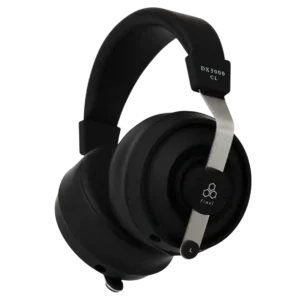
Standard 3.5mm device use is awkward because the supplied cable terminates in balanced 4.4mm and may require stacked adapters. Common wired compatibility is broad, but direct 3.5mm convenience is inconsistent.
Pros: Overall recommendation, Instrument separation
Cons: Dynamic performance, 3.5mm analog input availability
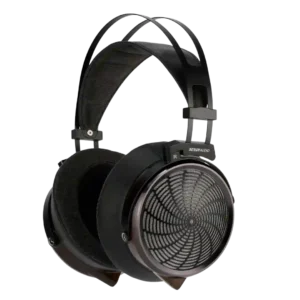
A 3.5mm adapter is included, so standard laptop and portable connections are possible. The long adapted plug is awkward, and a dedicated 3.5mm cable would be cleaner.
Pros: Build quality, Comfort during long use

The 3.5mm analog input was useful as an emergency backup, but reviewers repeatedly said unpowered wired sound was thin or poor.
Pros: Bass performance, Overall recommendation
Cons: Transparency mode quality, Immersive audio quality
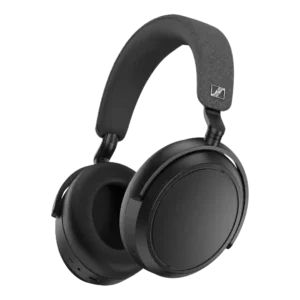
Analog input practicality was mixed to negative because wired listening without power degraded significantly in one review.
Pros: Sound quality, Comfort during long use
Cons: Microphone quality for calls, Transparency mode quality

The lack of a built-in 3.5mm analog jack was a repeated drawback, even though USB-C-to-3.5mm wired listening is possible.
Pros: Battery, Active noise cancellation
Cons: Spatial audio, 3.5mm analog input availability
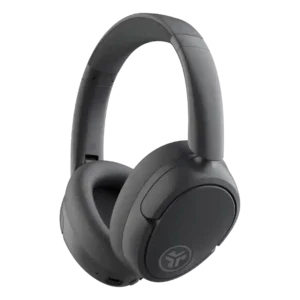
The lack of a 3.5mm analog jack was repeatedly flagged as a limitation, even when reviewers accepted USB-C as a compromise.
Pros: Overall recommendation, Value for money
Cons: Bass performance, Midrange clarity
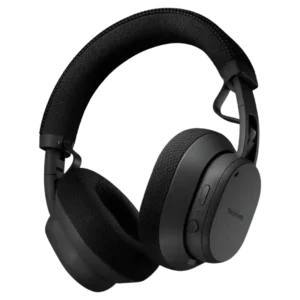
The lack of a dedicated 3.5mm jack frustrates some reviewers, even though USB-C audio and adapters provide wired alternatives.
Pros: Sustainability and repairability, Sound quality
Cons: Value for money, Transparency mode quality

3.5mm analog input availability was a recurring complaint because reviewers wanted the cable or adapter included and found the lack inconvenient.
Pros: Sound quality, Active noise cancellation
Cons: Carry case quality, Value for money