
The standard 3.5mm connection is straightforward and plug-and-play with compatible computers and portable devices.
Pros: Bass performance, Design and Aesthetics
Cons: Headband adjustability

The standard 3.5mm connection is straightforward and plug-and-play with compatible computers and portable devices.
Pros: Bass performance, Design and Aesthetics
Cons: Headband adjustability

The 3.5mm input is genuinely useful for analog sources, adding flexibility for travel and legacy gear.
Pros: Active noise cancellation, Overall recommendation
Cons: Carry case quality, Value for money
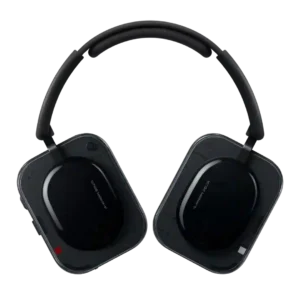
The 3.5mm input is genuinely useful for wired listening, including plane use while keeping ANC active.
Pros: Battery, Active noise cancellation
Cons: Bass performance, Carry case quality

The 3.5mm input adds useful fallback listening and continues to work when the battery is dead. Sensory bass and other powered processing are unavailable in passive mode.
Pros: Value for money, Bass performance
Cons: Weight comfort, Frequency response accuracy

The analog jack is a practical bonus for flights, entertainment systems, and wired listening, and several testers specifically appreciated having it.
Pros: Battery, Charging
Cons: Value for money, Codec support
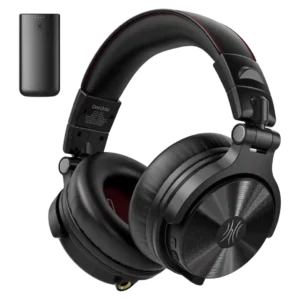
Analog input flexibility was a standout advantage, with repeated praise for built-in 3.5mm/6.35mm support and wired performance.
Pros: Overall recommendation, Comfort during long use
Cons: Sound quality, Frequency response accuracy

The 3.5mm input is useful for wired lossless listening, although the headphones still need power for their internal processing.
Pros: Comfort during long use, Premium feel
Cons: Battery, Value for money

The 3.5mm analog input was praised as a welcome wired option.
Pros: Battery, Active noise cancellation
Cons: Transparency mode quality, Carry case quality

The analog socket is a welcome option for flights and other wired sources, with ANC still available. Playback generally requires the headphones to be powered and charged.
Pros: Comfort during long use, Ear cup padding quality
Cons: Frequency response accuracy, Treble clarity

The included USB-C-to-3.5mm cable supports legacy wired sources and seatback systems. Analog mode still requires battery power, so it is not a true passive fallback.
Pros: Overall recommendation, Battery
Cons: Wear detection auto-pause, Noise isolation (passive)

The analog input is a useful fallback for airplane entertainment and listening when the battery is depleted. Passive playback can sound less dynamic than powered listening.
Pros: Active noise cancellation, Sound quality
Cons: Carry case quality, Included accessories

There is no native 3.5mm jack, which some reviewers consider a real loss, though the included USB-C-to-3.5mm cable softens the drawback for flights and analog sources.
Pros: Overall recommendation, Active noise cancellation
Cons: Battery, Equalizer customization
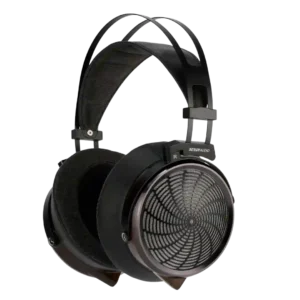
A 3.5mm adapter is included, so standard laptop and portable connections are possible. The long adapted plug is awkward, and a dedicated 3.5mm cable would be cleaner.
Pros: Build quality, Comfort during long use

There is no native 3.5mm socket, which disappointed listeners who wanted a standard analog connection. Wired listening instead uses the included USB-C-to-3.5mm cable and still requires power.
Pros: Overall recommendation, Active noise cancellation
Cons: Bass performance, Clamping force comfort

The lack of a 3.5mm analog path is a major recurring complaint, especially for airplane entertainment, consoles and battery-independent playback.
Pros: Overall recommendation, Replaceable pads/headband
Cons: 3.5mm analog input availability, Travel friendliness