#1

The 3.5mm input is widely appreciated because it allows passive listening, airplane use, and continued playback when the battery dies. Several reviewers see the wired fallback as a major usability...
Pros: Battery, Design and Aesthetics
Cons: Clamping force comfort, Soundstage width
#2
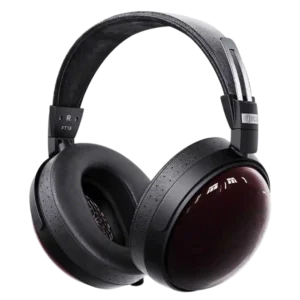
The analog connection system is exceptionally flexible, with reviewers praising how easily the FT13 plugs into common headphone outputs through its modular cable and adapters.
Pros: Bass performance, Comfort during long use
Cons: Treble clarity, Midrange clarity
#3
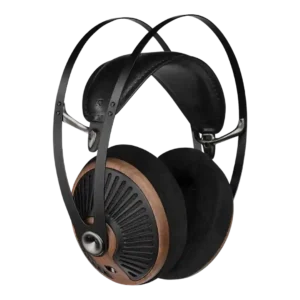
The standard 3.5 mm analog connection is secure and broadly compatible with conventional wired sources. Opinions about the narrow recessed cup sockets are covered separately under cable convenience.
Pros: Design and Aesthetics, Overall recommendation
Cons: Noise isolation (passive), Connectivity options
#4

The 3.5mm input is a practical fallback, letting the headphones work wired without relying on battery power. It is also useful for reducing gaming latency.
Pros: Value for money, Sound quality
Cons: Button control usability, App
#5

The 3.5mm analog input is valued as a rare, useful wired option in a premium wireless headphone.
Pros: Comfort during long use, Bass performance
Cons: Value for money, Equalizer customization
#6

Reviewers valued the analog path mainly for travel and older sources, with the Smart Tx and included AUX/USB-C cabling making airplane and headphone-jack use more practical.
Pros: Sound quality, Dongle
Cons: Premium feel, Build quality
#7

The included 3.5mm input is a valuable backup for airplanes, receivers, and low-latency listening. Wired sound can be strong, although one tester heard ground-loop hum when ANC was active.
Pros: Water/sweat resistance rating, Comfort during long use
Cons: Value for money, Workout heat and sweat buildup
#8
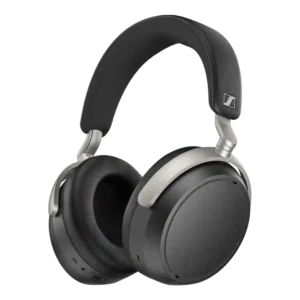
Analog input is treated as part of the headphones' unusually flexible wired/wireless connectivity package.
Pros: Sound quality, Active noise cancellation
Cons: Premium feel, Multipoint connectivity reliability
#9

Review evidence treats the included analog cable option as a practical premium accessory for wired use, not just a box-checking extra.
Pros: Sound quality, Active noise cancellation
#10

Analog or wired 3.5mm capability was mostly valued, especially for dead-battery use, though one reviewer missed a native 3.5mm jack.
Pros: Comfort during long use, Charging
Cons: Spatial audio, Volume output
#11
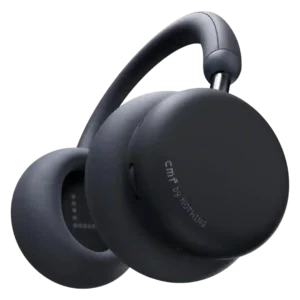
The 3.5mm input is a welcome fallback for zero-latency listening, laptops, older gear, and travel. A caveat is that the headphones still need power for wired playback.
Pros: Sound quality, Active noise cancellation
Cons: Treble clarity, Equalizer customization
#12
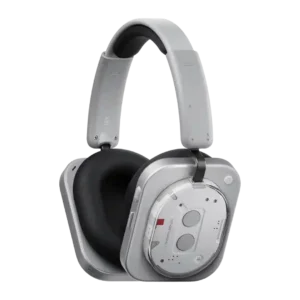
Reviewers liked that wired listening is covered with a 3.5mm jack, often alongside USB-C, making the headphones more flexible for planes and wired sources.
Pros: Sound quality, Battery
Cons: Weight comfort, Soundstage width
#13
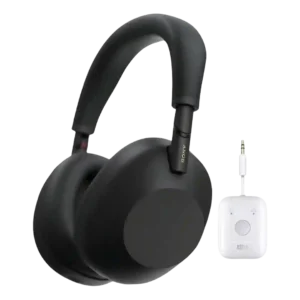
The 3.5mm input was generally appreciated as a practical wired option, especially because it enables analog listening despite missing USB-C audio.
Pros: Sound quality, Active noise cancellation
Cons: Touch control responsiveness, Spatial audio
#14
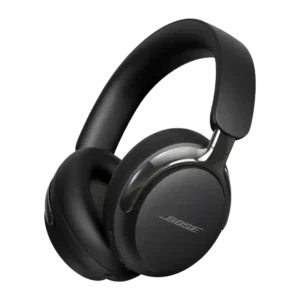
Analog input is useful and dedicated, though one reviewer notes the headphone-side cable connection is less common.
Pros: Active noise cancellation, Comfort during long use
Cons: Value for money, Equalizer customization
#15
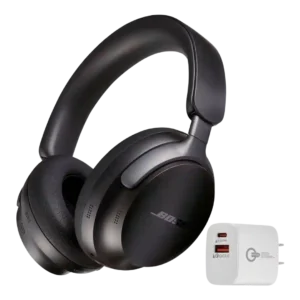
The analog cable input was valued for air travel, especially where in-flight entertainment still needs a wired connection.
Pros: Active noise cancellation, Sound quality
Cons: Battery, Immersive audio quality
#16

The 3.5mm analog option was useful as a wired fallback for conserving battery or when wireless was unnecessary.
Pros: Overall recommendation, Value for money
#17
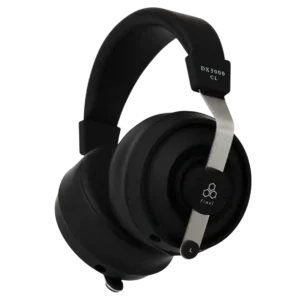
Standard 3.5mm device use is awkward because the supplied cable terminates in balanced 4.4mm and may require stacked adapters. Common wired compatibility is broad, but direct 3.5mm convenience is inconsistent.
Pros: Overall recommendation, Instrument separation
Cons: Dynamic performance, 3.5mm analog input availability
#18
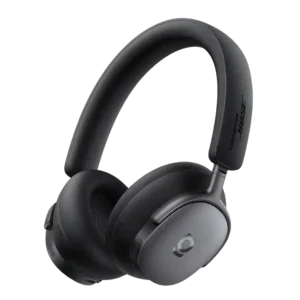
The 3.5mm analog input was useful as an emergency backup, but reviewers repeatedly said unpowered wired sound was thin or poor.
Pros: Bass performance, Overall recommendation
Cons: Transparency mode quality, Immersive audio quality
#19
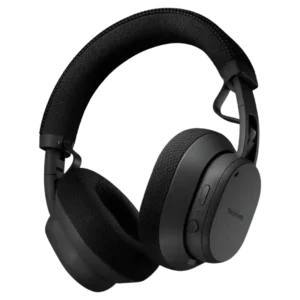
The lack of a dedicated 3.5mm jack frustrates some reviewers, even though USB-C audio and adapters provide wired alternatives.
Pros: Sustainability and repairability, Sound quality
Cons: Value for money, Transparency mode quality
#20
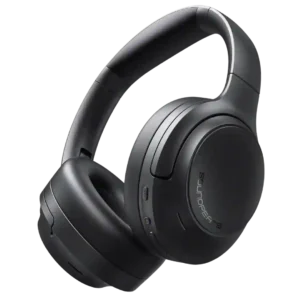
Analog wired support is inconsistent across the supplied experiences: some units were reported without a 3.5mm option, while one test described an available wired mode that sounded worse than Bluetooth.
Pros: Overall satisfaction, Sound quality
Cons: Carry case quality, Transparency mode quality
#21
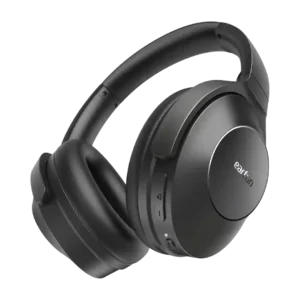
Analog input availability is weak because reviewers noted the lack of a 3.5mm jack or separate analog cable.
Pros: Battery, Equalizer customization
Cons: ANC background noise level, Active noise cancellation
#22
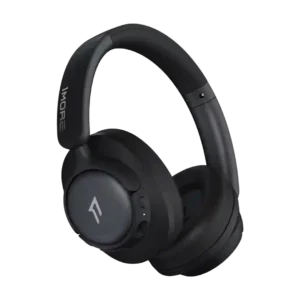
The lack of a headphone jack was a clear drawback in the one review that evaluated analog input availability.
Pros: Battery, Sound quality
Cons: Midrange clarity, Button control usability
