Best for battery storage performance
Anker Solix C1000
5.0 attribute score
Highest scored product for this attribute based on supporting review evidence.

Highest scored product for this attribute based on supporting review evidence.
Balances the attribute score, supporting reviews, and overall product strength.
Has the broadest review evidence for this attribute.
Strongest overall product among items with scored evidence for this attribute.
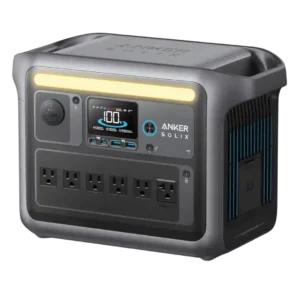
The C1000 generally holds its charge well between uses, making it practical to keep ready for outages or occasional trips.
Pros: overall product satisfaction, runtime
Cons: noise level, weight
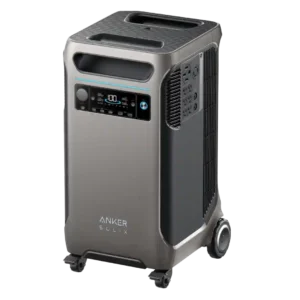
In one two-month storage test, the station retained a full charge, suggesting excellent readiness between outages.
Pros: overall product satisfaction, home backup capability
Cons: value for money, weight
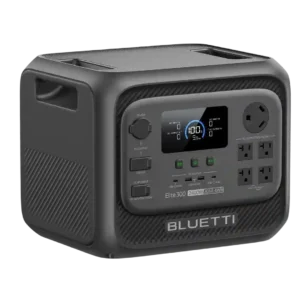
After sitting unplugged for three days, the unit lost only 1%, suggesting excellent charge retention while stored.
Pros: compactness, load handling
Cons: weight, battery expandability
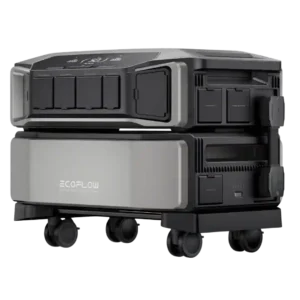
One owner specifically praised how well the battery held its charge while sitting unplugged, supporting confidence in stored-energy retention.
Pros: overall product satisfaction, value for money
Cons: customer support, shipping speed
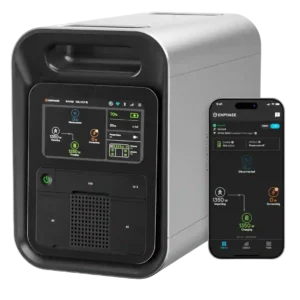
A protected reserve is designed to prevent the battery from becoming unusable after long storage, even following a deep discharge.
Pros: display quality, overall product satisfaction
Cons: solar charging speed, weight
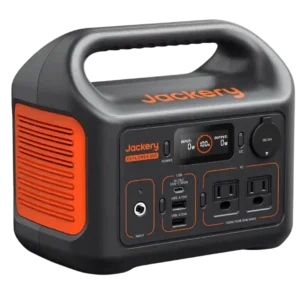
One long-term owner reported 99% charge remaining after more than three months in storage, indicating very low standby loss in that sample.
Pros: overall product satisfaction, portability
Cons: high-demand appliance support, home backup capability
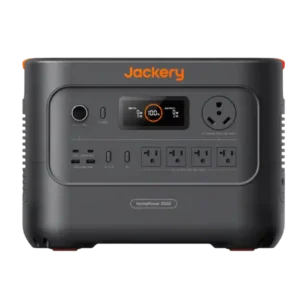
Low standby loss helps the battery remain ready after long storage, an important benefit for emergency use.
Pros: high-demand appliance support, overall product satisfaction
Cons: accessory ecosystem, charging input compatibility
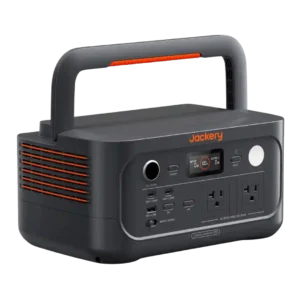
Stored-charge retention is a strength, helping the station remain ready after sitting unused for emergency backup.
Pros: overall product satisfaction, compactness
Cons: high-demand appliance support, app connectivity
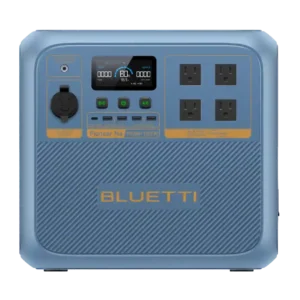
Low standby draw and cold-tolerant chemistry make the unit unusually well suited to sitting ready in garages, vehicles, or emergency setups.
Pros: overall product satisfaction, cold-weather performance
Cons: value for money, weight
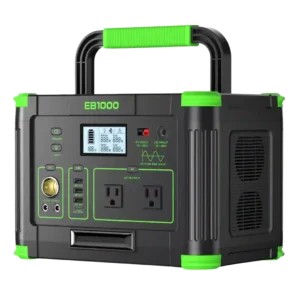
Many units hold a charge for weeks or months, yet several owners saw unexpected self-discharge or declining retention as problems developed.
Pros: overall product satisfaction, value for money
Cons: long-term reliability, recharge speed
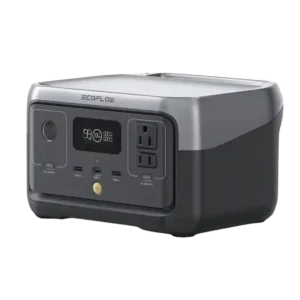
Configurable charge limits help long-term storage, but self-discharge complaints make proper full shutdown important.
Pros: overall product satisfaction, AC charging speed
Cons: runtime, high-demand appliance support
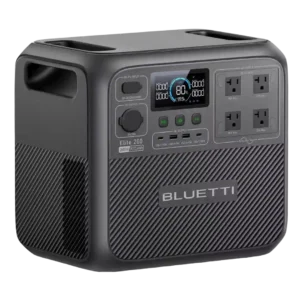
Standby retention is generally excellent, including in cold vans, but one test found poor behavior after extended storage conditions.
Pros: overall product satisfaction, value for money
Cons: weight, battery expandability
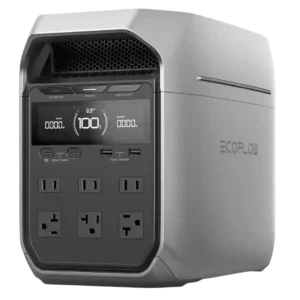
Some owners say it holds charge well, while others report severe losses over just a few days, suggesting inconsistent standby behavior.
Pros: overall product satisfaction, solar panel compatibility
Cons: long-term reliability, standby power loss
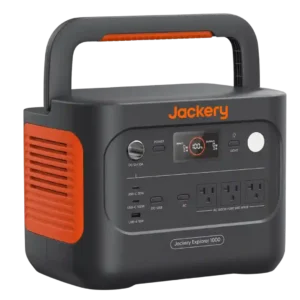
Storage behavior is mixed: one drained unit recovered after a week, while long idle periods may slowly reduce charge.
Pros: overall product satisfaction, AC charging speed
Cons: solar panel compatibility, solar cable compatibility
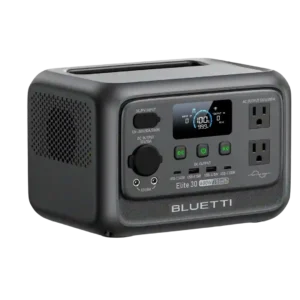
Powered fully off, the station can hold charge for months. Left on with wireless or outputs active, some units lose substantial energy overnight.
Pros: value for money, portability
Cons: battery capacity, standby power loss
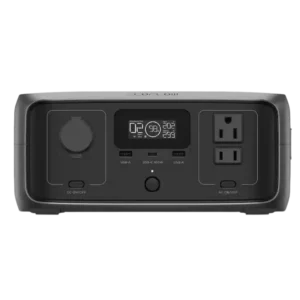
One owner says it holds charge well for emergencies, while another reports severe self-discharge that undermines unattended storage.
Pros: overall product satisfaction, portability
Cons: specification accuracy, display readability
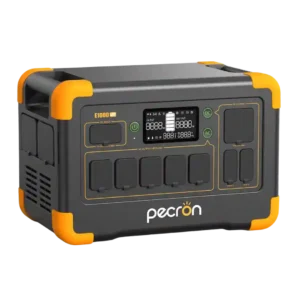
Storage retention trails at least one close competitor, making the Pecron less ideal for buyers who plan to leave it sitting for long periods between outages.
Pros: overall product satisfaction, value for money
Cons: standby power loss, surge capacity
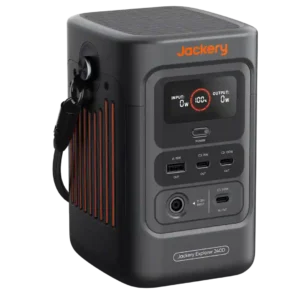
Storage behavior is inconsistent. One older unit reportedly failed after being left too long, while a direct 240D report describes unusually fast idle drain.
Pros: value for money, compactness
Cons: high-demand appliance support, AC outlet count
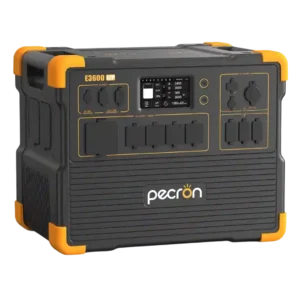
A unit arriving at 0% after warehouse storage points to poor storage handling and possible battery damage.
Pros: overall product satisfaction, value for money
Cons: long-term reliability, noise level