
Most ergonomic comments were positive, citing the low profile, usable tilt options, and comfortable angles for typing without a wrist rest.
Pros: switch feel, battery life
Cons: volume control, media controls

Most ergonomic comments were positive, citing the low profile, usable tilt options, and comfortable angles for typing without a wrist rest.
Pros: switch feel, battery life
Cons: volume control, media controls

Ergonomics are mostly positive thanks to comfort, height options, and low fatigue, though one reviewer found the stock height very low.
Pros: portability, value for money
Cons: software quality, key spacing
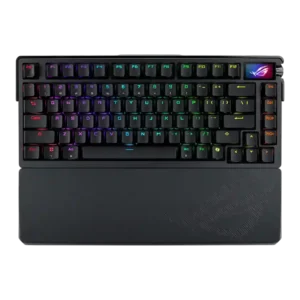
Ergonomics were praised for wrist-rest comfort, softer typing options, and comfortable key spacing, though not every ergonomic element was universally loved.
Pros: build quality, customization options
Cons: value for money, rapid trigger support
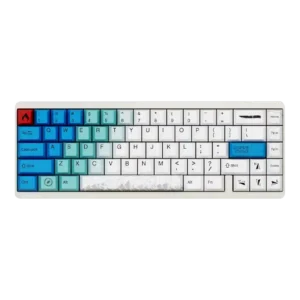
Ergonomics had limited positive evidence because light switches reduced fatigue during longer use.
Pros: design aesthetics, build quality
Cons: software quality, customization options
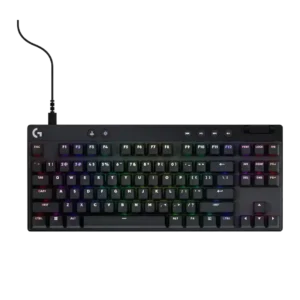
Ergonomics are generally helped by compact layouts and typing-angle feet, though comfort depends on posture and layout familiarity.
Pros: build quality, software quality
Cons: value for money, hot-swappable switches
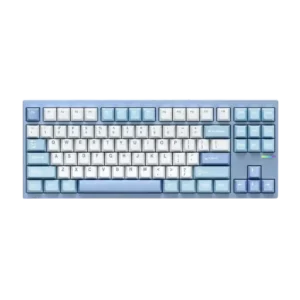
Ergonomics received limited but positive evidence because the fixed typing angle was expected to be comfortable for most people.
Pros: customization options, build quality
Cons: connectivity
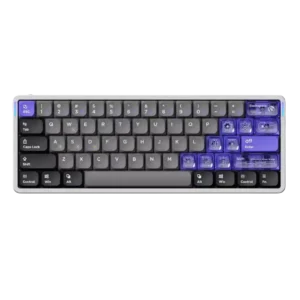
Ergonomics received limited but positive support around comfort adjustments and wrist positioning.
Pros: software quality, switch feel
Cons: connectivity, layout options

Ergonomics were mixed: the typing angle and comfort could be good, but the lack of a palm rest created issues for some users.
Pros: gaming performance, switch feel
Cons: value for money, extra gaming features

Ergonomics were strong for typing reach and long sessions, but some media-control placement and wrist positioning drew complaints.
Pros: value for money, rapid trigger support
Cons: media controls, stabilizer quality

Ergonomics are mixed: compact models are praised for reach and wrist placement, while full-size or tall versions drew complaints about discomfort.
Pros: typing feel, gaming performance
Cons: software quality, value for money

Ergonomics were mixed: low-profile typing and adjustable feet helped some reviewers, while shallow tilt or sensitivity frustrated others.
Pros: value for money, battery life
Cons: hot-swappable switches, noise level

Ergonomic feedback was mixed: adjustable feet helped some reviewers, but sharper edges and the missing wrist rest hurt long-session comfort for others.
Pros: software quality, switch feel
Cons: legend visibility, extra gaming features

Ergonomics were mixed: one reviewer had no hand cramping, while another needed a palm rest because of the fixed angle.
Pros: build quality, switch feel
Cons: switch options
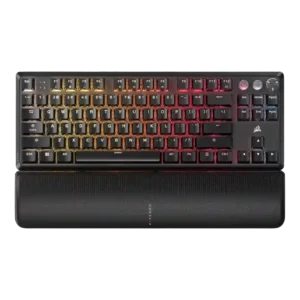
Ergonomics were mixed, with comfortable angle options and wrist slopes offset by palm-rest interference in one review.
Pros: value for money, keycap quality
Cons: polling rate, acoustics

Ergonomics were mixed: reviewers liked the angle or typing posture in some cases, but others criticized the high profile and lack of feet or included wrist rest.
Pros: size and form factor, typing feel
Cons: switch options, portability

Ergonomics were mixed: adjustable angles helped some reviewers, but keyboard height caused wrist strain for others.
Pros: value for money, design aesthetics
Cons: cable quality, ergonomics

Ergonomic feedback is mixed: typing angle and comfort often worked well, but many reviewers disliked the lack of adjustable feet or found the profile too tall.
Pros: value for money, software quality
Cons: switch options, ergonomics
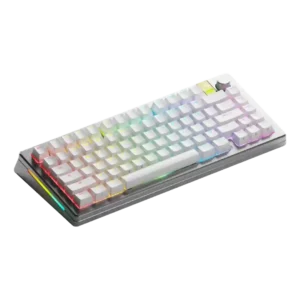
Ergonomics were mixed to negative because reviewers wanted adjustable angles, wrist support, or lower-profile comfort in some builds.
Pros: customization options, gaming performance
Cons: value for money, software quality