Best for weight
Jackery Explorer 240D
5.0 feature score
Highest scored product for this feature based on supporting review evidence.

Highest scored product for this feature based on supporting review evidence.
Balances feature score, supporting reviews, and overall product strength.
Has the broadest review evidence for this feature.
Strongest overall product among items with scored evidence for this feature.
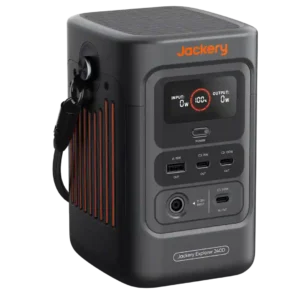
Sub-five-pound direct 240D measurements make weight a standout advantage. It is dramatically easier to carry than most conventional power stations.
Pros: power output, rated output
Cons: AC outlet count, repairability
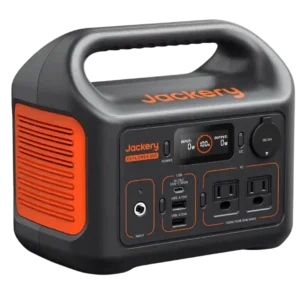
At roughly 7.1 pounds, weight is universally praised and is a major reason owners choose it over larger power stations.
Pros: output stability, voltage regulation
Cons: battery expandability, water resistance
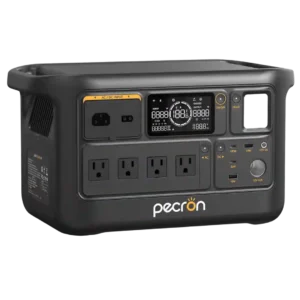
At roughly 24–26 pounds, the F1000 is repeatedly described as unusually light for a 1kWh-class station and easy for most people to carry.
Pros: rated output, peak output
Cons: startup reliability, whole-home integration
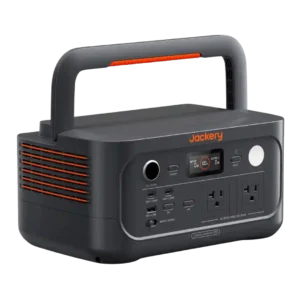
At roughly 5.7kg, the unit is consistently praised as light for its capacity and easy to carry one-handed.
Pros: output stability, pure sine wave output
Cons: remaining runtime estimate, Bluetooth connectivity
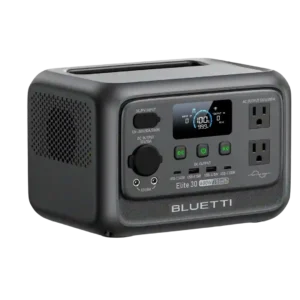
At under ten pounds, the station is notably easy to carry and far less intimidating than larger power stations. A few users still notice its dense feel, but the handle...
Pros: rated output, output stability
Cons: over-voltage protection, cold-weather performance
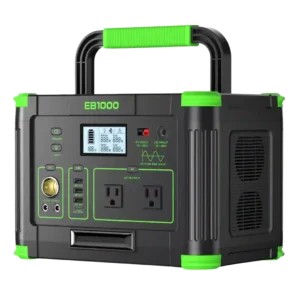
At roughly 17–18 pounds, it is light for a 999Wh station and manageable for most buyers, though a few still compare the heft to a car battery.
Pros: rated output, output stability
Cons: battery expandability, startup reliability
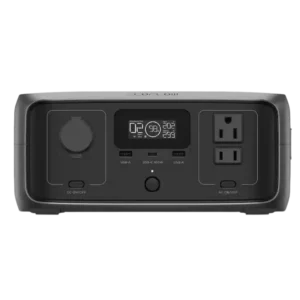
At roughly eight pounds, the River 3 is easy to lift, carry, and reposition, even for frequent daily use.
Pros: noise level, idle noise
Cons: self-discharge rate, air travel suitability
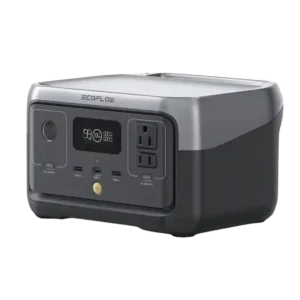
Most reviewers consider it exceptionally light for a power station, though a few buyers still found it heavier than expected or unsuitable for hiking.
Pros: surge capacity, output stability
Cons: dual-input charging, whole-home integration
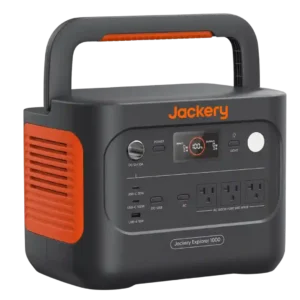
Around 24 pounds is manageable for a 1kWh station and lighter than many rivals, but it remains too heavy for long hikes or effortless carrying.
Pros: rated output, peak output
Cons: standby power loss, specification accuracy
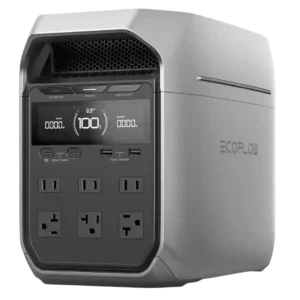
Most users consider the weight manageable for short carries, although it becomes tiring over distance and is too heavy for backpacking.
Pros: rated output, peak output
Cons: 30-amp output, parallel operation support
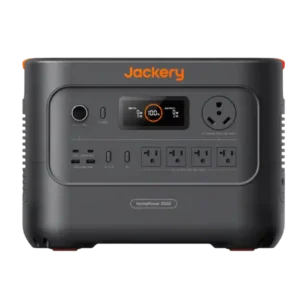
At roughly 59 pounds, it feels heavy in isolation yet remarkably light for its capacity and output class.
Pros: power output, rated output
Cons: battery expandability, car charging speed
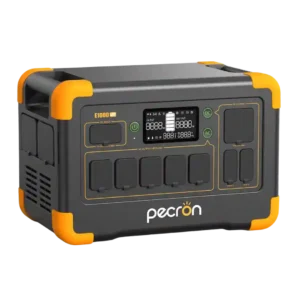
Around 29–30 pounds is manageable for short carries but heavy enough that some users will notice it, especially compared with newer lighter alternatives.
Pros: inverter quality, LiFePO4 battery
Cons: idle noise, built-in light
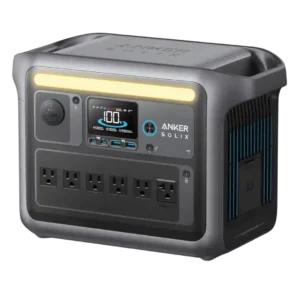
Around 25–30 pounds is manageable for many adults and light for the output class, but still heavy for long carries, stairs, or users with limited strength.
Pros: power output, rated output
Cons: dual-input charging, cable storage
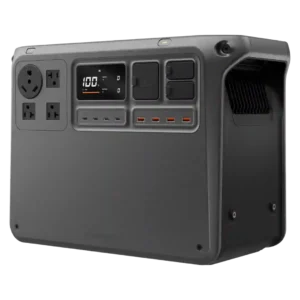
The weight is the most common physical drawback: reasonable for its capacity, yet tiring on stairs or over any meaningful distance.
Pros: rated output, peak output
Cons: startup reliability, full-load noise
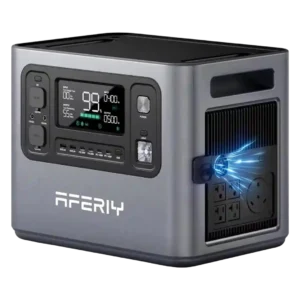
At roughly 21.6kg or 48 pounds, the P280 is manageable for its capacity but still heavy enough to discourage frequent solo lifting.
Pros: rated output, peak output
Cons: app connectivity, voltage regulation
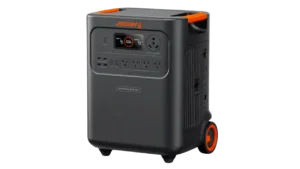
Weight is the most consistent portability tradeoff. Around 77 pounds is manageable on wheels but awkward for stairs, vehicles, or frequent lifting.
Pros: output stability, voltage regulation
Cons: DC output, 12-volt outlet
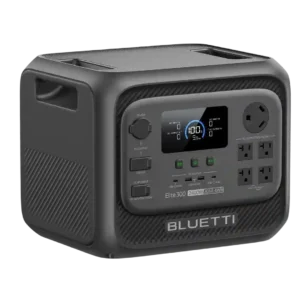
At roughly 58-60 pounds, the Elite 300 is heavy despite its compact dimensions. The weight is acceptable for the capacity but remains the most consistent portability complaint.
Pros: surge capacity, voltage regulation
Cons: water resistance, ventilation requirements
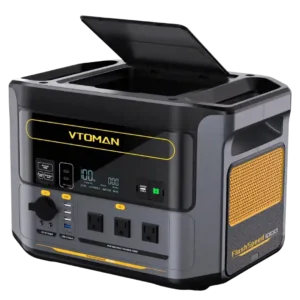
At roughly 32–40 pounds, the station is consistently viewed as heavy for an 828Wh model, even when the handles make lifting easier.
Pros: inverter quality, power quality
Cons: Wi-Fi connectivity, weather resistance
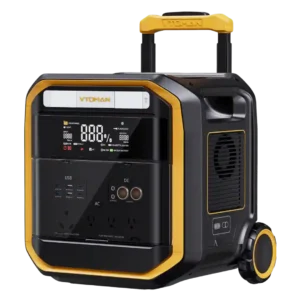
More than 80 pounds is the product’s biggest physical drawback. A few reviewers considered that reasonable for the capacity, but most found it genuinely heavy.
Pros: power output, surge capacity
Cons: specification accuracy, peak output
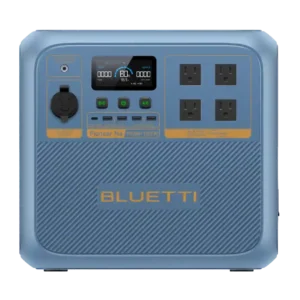
At roughly 35 pounds, the Pioneer Na is repeatedly criticized as heavy for 900Wh. Handles keep it movable, but comparable LFP stations can be substantially lighter.
Pros: pure sine wave output, startup performance
Cons: MPPT controller performance, battery expandability
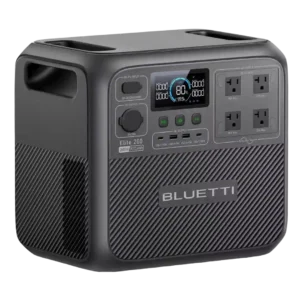
The dense 53-to-55-pound build is the most repeated drawback; manageable for short lifts, but unpleasant to carry far.
Pros: output stability, pure sine wave output
Cons: specification accuracy, startup reliability
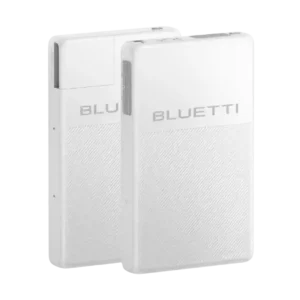
Despite its thin appearance, the main unit weighs about 42–43 pounds and can be awkward to lift onto a refrigerator. Secure support and often a second person are sensible precautions.
Pros: power output, rated output
Cons: USB-A ports, 12-volt outlet
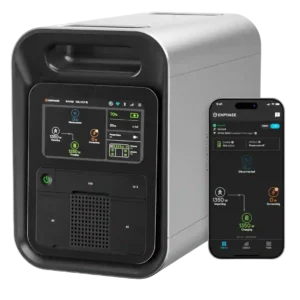
Weight is a major drawback. Depending on the measured specification, the unit is roughly 46 to 56 pounds—manageable for short lifts, but heavy for its capacity.
Pros: rated output, output stability
Cons: runtime at full load, RV outlet
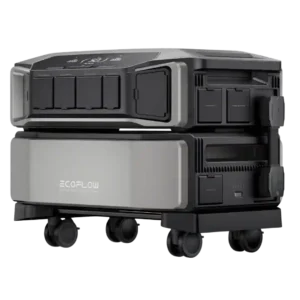
Weight is one of the clearest drawbacks. Battery and inverter modules are extremely heavy, often requiring two people, a trolley, or a dolly even though the modular design helps somewhat.
Pros: power quality, simultaneous device support
Cons: battery percentage accuracy, firmware updates
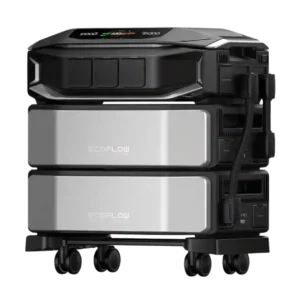
The modules are undeniably heavy, with batteries around the hundred-pound range and large configurations reaching several hundred pounds. Wheels help on hard floors, but stairs and lifting remain real constraints.
Pros: output stability, voltage regulation
Cons: solar cable compatibility, UPS functionality
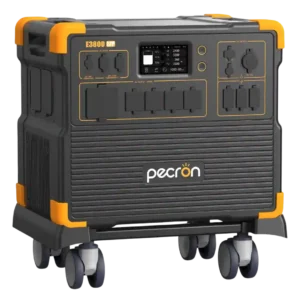
The roughly 87–90 lb unit is widely described as heavy. It is movable, especially with the cart, but stairs and frequent lifting can require a second person.
Pros: surge capacity, output stability
Cons: app connectivity, idle noise
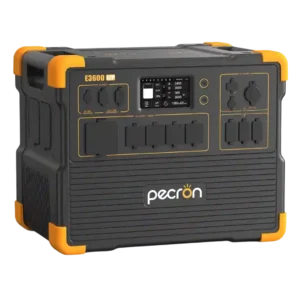
Weight is the most universal drawback; at roughly 79–80 pounds, the station is difficult for one person to move.
Pros: power output, rated output
Cons: output stability, voltage regulation
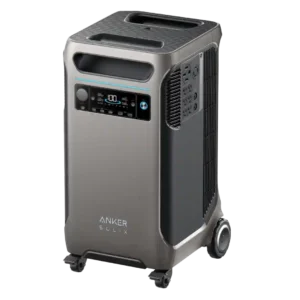
At roughly 132–140 pounds, weight is the most universal complaint. It rolls well, but stairs, vehicles, and lifting are genuinely difficult.
Pros: rated output, output stability
Cons: car charging speed, USB-A ports
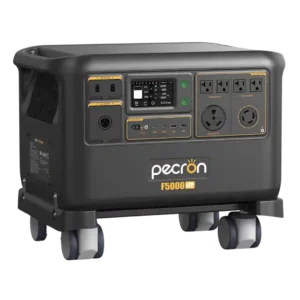
Weight is the most universal physical drawback. At roughly 124 pounds, reviewers repeatedly recommend two-person lifting and treat the unit as stationary or semi-stationary despite its portable-power-station label.
Pros: power output, output stability
Cons: firmware updates, built-in light