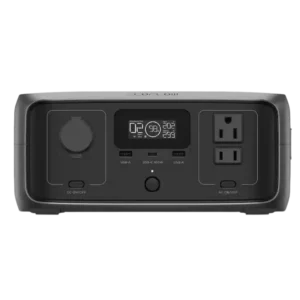
At roughly eight pounds, the River 3 is easy to lift, carry, and reposition, even for frequent daily use.
Pros: noise level, idle noise
Cons: self-discharge rate, air travel suitability

At roughly eight pounds, the River 3 is easy to lift, carry, and reposition, even for frequent daily use.
Pros: noise level, idle noise
Cons: self-discharge rate, air travel suitability
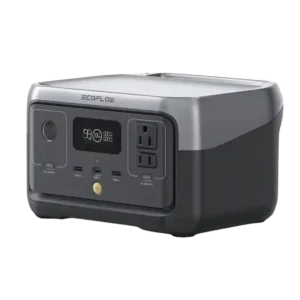
Most reviewers consider it exceptionally light for a power station, though a few buyers still found it heavier than expected or unsuitable for hiking.
Pros: surge capacity, output stability
Cons: dual-input charging, whole-home integration
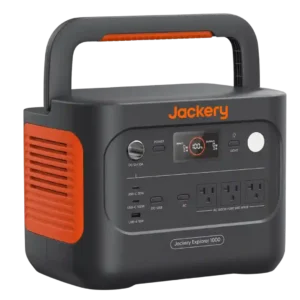
Around 24 pounds is manageable for a 1kWh station and lighter than many rivals, but it remains too heavy for long hikes or effortless carrying.
Pros: rated output, peak output
Cons: standby power loss, specification accuracy
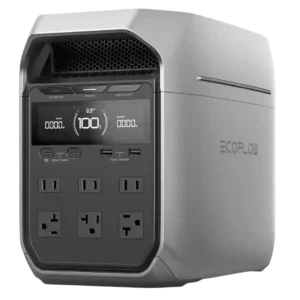
Most users consider the weight manageable for short carries, although it becomes tiring over distance and is too heavy for backpacking.
Pros: rated output, peak output
Cons: 30-amp output, parallel operation support
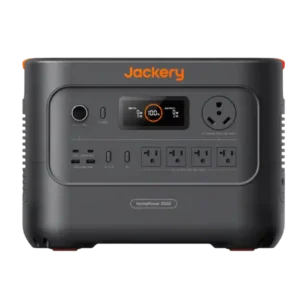
At roughly 59 pounds, it feels heavy in isolation yet remarkably light for its capacity and output class.
Pros: power output, rated output
Cons: battery expandability, car charging speed
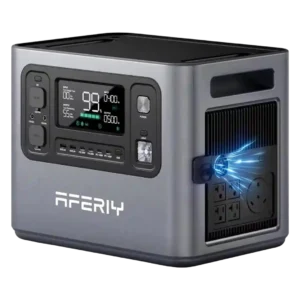
At roughly 21.6kg or 48 pounds, the P280 is manageable for its capacity but still heavy enough to discourage frequent solo lifting.
Pros: rated output, peak output
Cons: app connectivity, voltage regulation
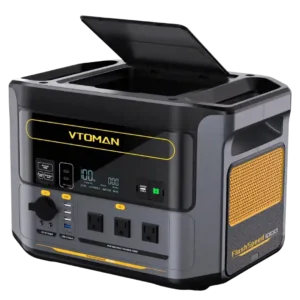
At roughly 32–40 pounds, the station is consistently viewed as heavy for an 828Wh model, even when the handles make lifting easier.
Pros: inverter quality, power quality
Cons: Wi-Fi connectivity, weather resistance
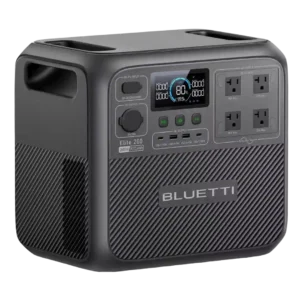
The dense 53-to-55-pound build is the most repeated drawback; manageable for short lifts, but unpleasant to carry far.
Pros: output stability, pure sine wave output
Cons: specification accuracy, startup reliability
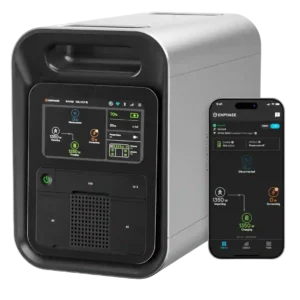
Weight is a major drawback. Depending on the measured specification, the unit is roughly 46 to 56 pounds—manageable for short lifts, but heavy for its capacity.
Pros: rated output, output stability
Cons: runtime at full load, RV outlet
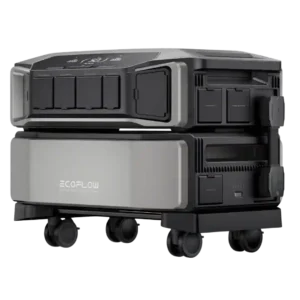
Weight is one of the clearest drawbacks. Battery and inverter modules are extremely heavy, often requiring two people, a trolley, or a dolly even though the modular design helps somewhat.
Pros: power quality, simultaneous device support
Cons: battery percentage accuracy, firmware updates
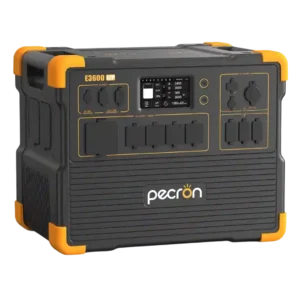
Weight is the most universal drawback; at roughly 79–80 pounds, the station is difficult for one person to move.
Pros: power output, rated output
Cons: output stability, voltage regulation
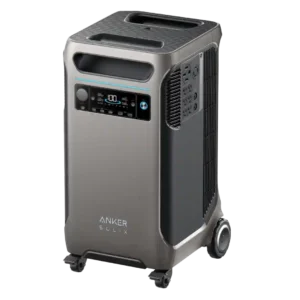
At roughly 132–140 pounds, weight is the most universal complaint. It rolls well, but stairs, vehicles, and lifting are genuinely difficult.
Pros: rated output, output stability
Cons: car charging speed, USB-A ports