Best for USB-C ports
Jackery Explorer 1000 V2
5.0 feature score
Highest scored product for this feature based on supporting review evidence.

Highest scored product for this feature based on supporting review evidence.
Balances feature score, supporting reviews, and overall product strength.
Has the broadest review evidence for this feature.
Strongest overall product among items with scored evidence for this feature.
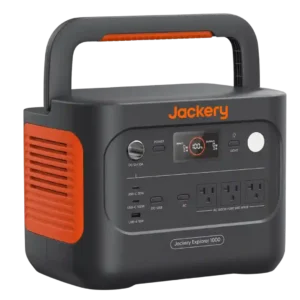
The USB-C selection suits phones, tablets, and laptops without using the AC outlets.
Pros: rated output, peak output
Cons: standby power loss, specification accuracy
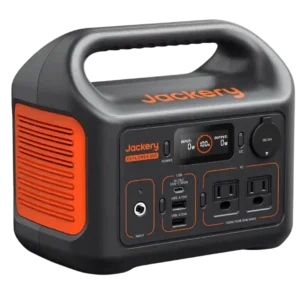
USB-C is one of the most welcomed additions, reducing the need to carry a dedicated charging brick and making the small station more flexible.
Pros: output stability, voltage regulation
Cons: battery expandability, water resistance
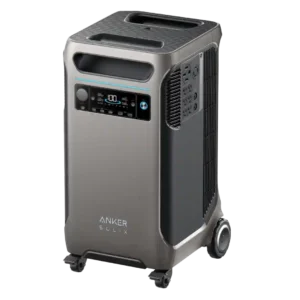
The three high-power USB-C ports are a welcome feature for charging laptops, tablets, and phones directly.
Pros: rated output, output stability
Cons: car charging speed, USB-A ports
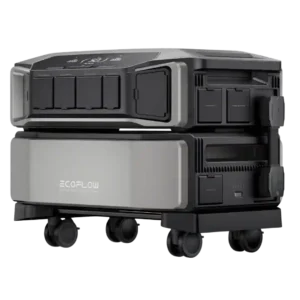
The USB-C outputs are considered a welcome inclusion on such a large home-focused system, preserving convenient direct charging for laptops and mobile devices.
Pros: power quality, simultaneous device support
Cons: battery percentage accuracy, firmware updates
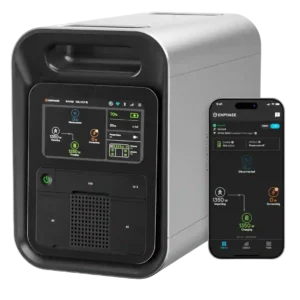
The two USB-C ports are a welcome addition, giving the port mix more flexibility than older AC-and-USB-A-only designs.
Pros: rated output, output stability
Cons: runtime at full load, RV outlet
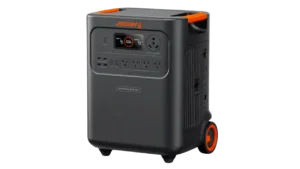
The USB-C ports passed direct testing without issue and provide useful high-power charging for modern devices.
Pros: output stability, voltage regulation
Cons: DC output, 12-volt outlet
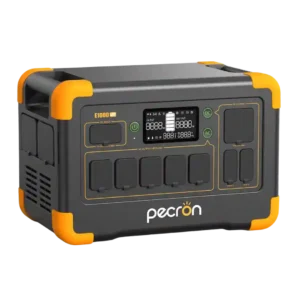
Dual USB-C ports complement the legacy USB-A connections and give the front panel a well-rounded device-charging setup.
Pros: inverter quality, LiFePO4 battery
Cons: idle noise, built-in light
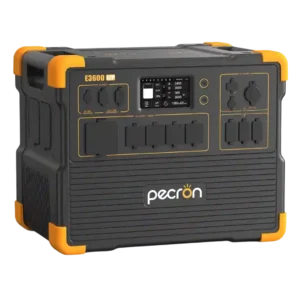
Two fast-charging USB-C ports add useful modern charging alongside the larger AC and DC connections.
Pros: power output, rated output
Cons: output stability, voltage regulation
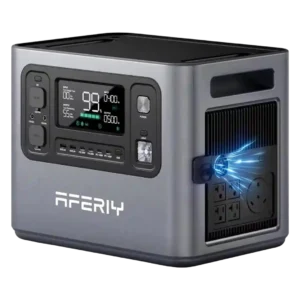
Four USB-C ports provide a useful mix of two 140W laptop-class outputs and two 20W ports for smaller devices.
Pros: rated output, peak output
Cons: app connectivity, voltage regulation
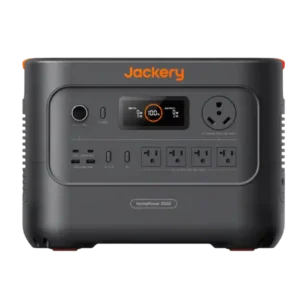
Two USB-C ports make laptops, phones, and modern production equipment easy to power directly.
Pros: power output, rated output
Cons: battery expandability, car charging speed
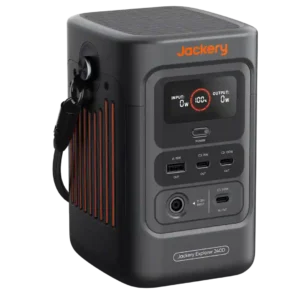
Three USB-C ports suit modern laptops, tablets, phones, and gaming devices very well. The layout is a major improvement over older Explorer 240 models that lacked USB-C.
Pros: power output, rated output
Cons: AC outlet count, repairability
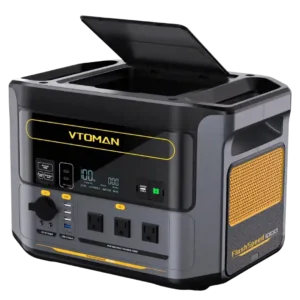
The two 100W USB-C ports are widely appreciated, though some buyers may wish there were more of them.
Pros: inverter quality, power quality
Cons: Wi-Fi connectivity, weather resistance
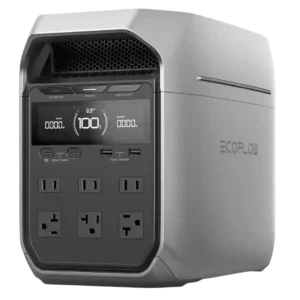
The two USB-C ports are powerful, although one reviewer wished EcoFlow had included four instead of retaining two USB-A sockets.
Pros: rated output, peak output
Cons: 30-amp output, parallel operation support
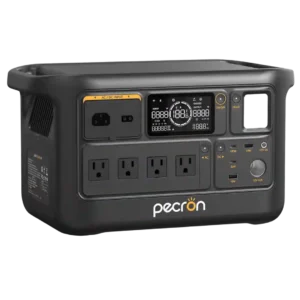
The USB-C mix is practical rather than maximal, with one 100W port and a lower-power 33W port that one reviewer specifically liked for smaller devices.
Pros: rated output, peak output
Cons: startup reliability, whole-home integration
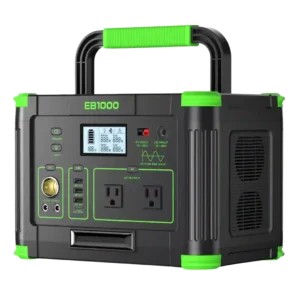
The 60W USB-C port is adequate for many laptops and phones, but buyers needing higher-power USB-C charging should look elsewhere.
Pros: rated output, output stability
Cons: battery expandability, startup reliability
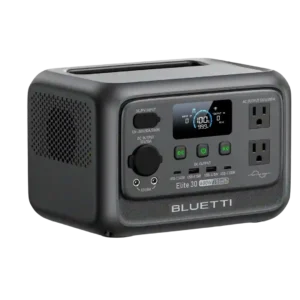
Two USB-C ports are useful, though one owner wanted more as older USB-A connections become less relevant.
Pros: rated output, output stability
Cons: over-voltage protection, cold-weather performance
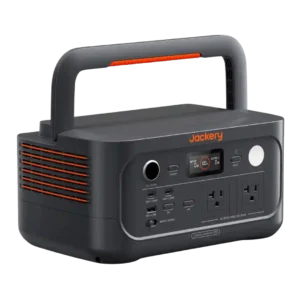
The USB-C count is adequate but not generous; more than one reviewer wished for an extra modern charging port.
Pros: output stability, pure sine wave output
Cons: remaining runtime estimate, Bluetooth connectivity
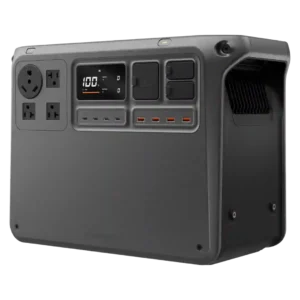
Four USB-C ports are useful, but a few owners experienced failed ports and some testers wanted a different power-delivery mix.
Pros: rated output, peak output
Cons: startup reliability, full-load noise
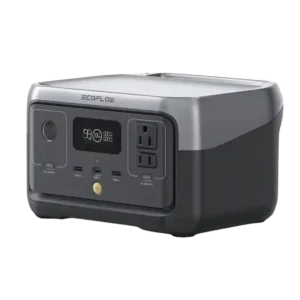
A single bidirectional USB-C port is convenient, yet several users wanted a second port for modern gear.
Pros: surge capacity, output stability
Cons: dual-input charging, whole-home integration
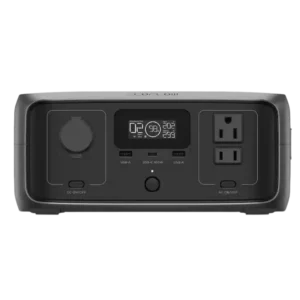
Only one USB-C port is provided, and several reviewers would prefer a second high-power connection.
Pros: noise level, idle noise
Cons: self-discharge rate, air travel suitability
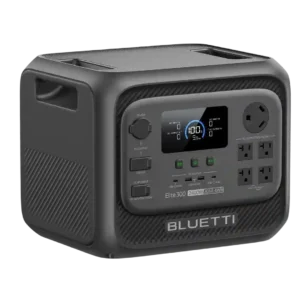
The two USB-C ports are capable, but one tester wanted three USB-C ports and fewer legacy USB-A connections.
Pros: surge capacity, voltage regulation
Cons: water resistance, ventilation requirements
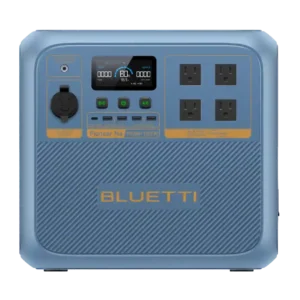
The single USB-C port is widely viewed as too little for a modern power station. Its capability is useful, but the port count feels behind current device needs.
Pros: pure sine wave output, startup performance
Cons: MPPT controller performance, battery expandability
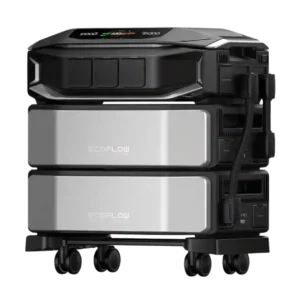
USB-C removal draws similar criticism: the design is cleaner and more home-focused, but several reviewers would still prefer at least one or two direct charging ports.
Pros: output stability, voltage regulation
Cons: solar cable compatibility, UPS functionality
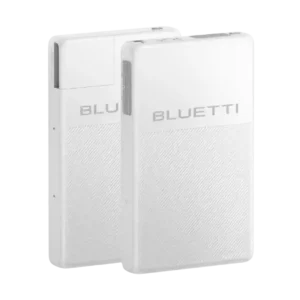
The main unit’s lack of USB-C is one of the most repeated complaints. An 18W port appears only on expansion batteries, limiting phone and device charging during outages.
Pros: power output, rated output
Cons: USB-A ports, 12-volt outlet
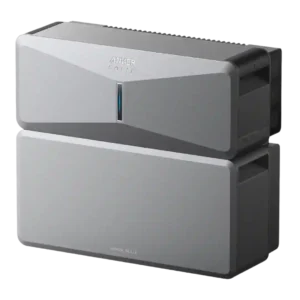
USB-C is also absent from the inverter, reinforcing that this is a home energy system rather than a conventional portable power station.
Pros: rated output, surge capacity
Cons: outlet selection, AC outlet count