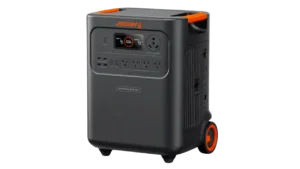
The USB-C ports passed direct testing without issue and provide useful high-power charging for modern devices.
Pros: output stability, voltage regulation
Cons: DC output, 12-volt outlet

The USB-C ports passed direct testing without issue and provide useful high-power charging for modern devices.
Pros: output stability, voltage regulation
Cons: DC output, 12-volt outlet
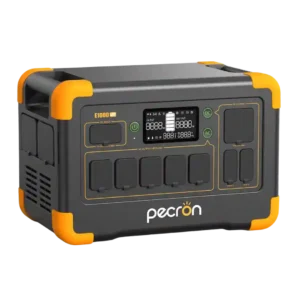
Dual USB-C ports complement the legacy USB-A connections and give the front panel a well-rounded device-charging setup.
Pros: inverter quality, LiFePO4 battery
Cons: idle noise, built-in light
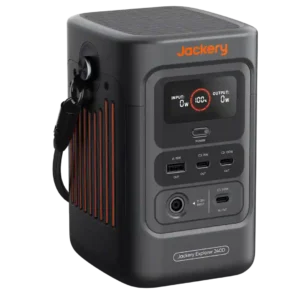
Three USB-C ports suit modern laptops, tablets, phones, and gaming devices very well. The layout is a major improvement over older Explorer 240 models that lacked USB-C.
Pros: power output, rated output
Cons: AC outlet count, repairability
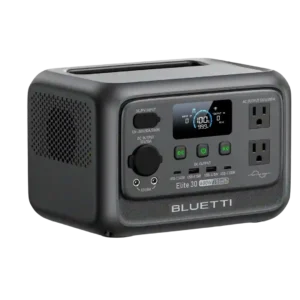
Two USB-C ports are useful, though one owner wanted more as older USB-A connections become less relevant.
Pros: rated output, output stability
Cons: over-voltage protection, cold-weather performance
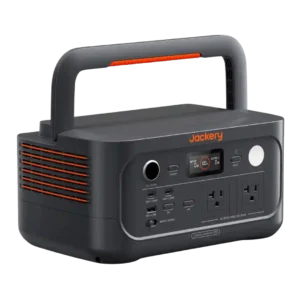
The USB-C count is adequate but not generous; more than one reviewer wished for an extra modern charging port.
Pros: output stability, pure sine wave output
Cons: remaining runtime estimate, Bluetooth connectivity
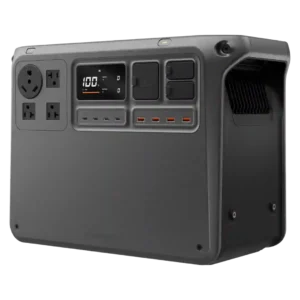
Four USB-C ports are useful, but a few owners experienced failed ports and some testers wanted a different power-delivery mix.
Pros: rated output, peak output
Cons: startup reliability, full-load noise
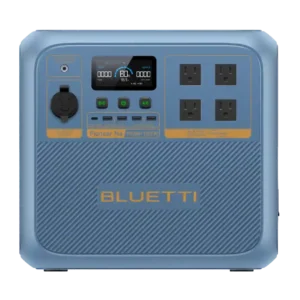
The single USB-C port is widely viewed as too little for a modern power station. Its capability is useful, but the port count feels behind current device needs.
Pros: pure sine wave output, startup performance
Cons: MPPT controller performance, battery expandability
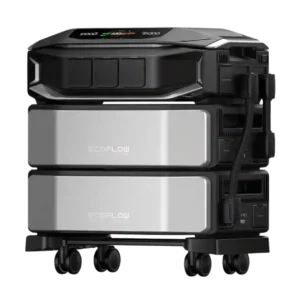
USB-C removal draws similar criticism: the design is cleaner and more home-focused, but several reviewers would still prefer at least one or two direct charging ports.
Pros: output stability, voltage regulation
Cons: solar cable compatibility, UPS functionality