Best for usable battery capacity
Jackery HomePower 3600 Plus
5.0 feature score
Highest scored product for this feature based on supporting review evidence.

Highest scored product for this feature based on supporting review evidence.
Balances feature score, supporting reviews, and overall product strength.
Has the broadest review evidence for this feature.
Strongest overall product among items with scored evidence for this feature.
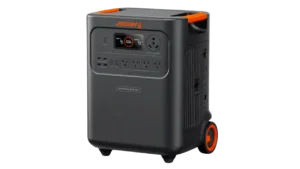
Measured usable capacity was excellent, with several tests recovering roughly 90% to 95% of the rated battery energy.
Pros: output stability, voltage regulation
Cons: DC output, 12-volt outlet
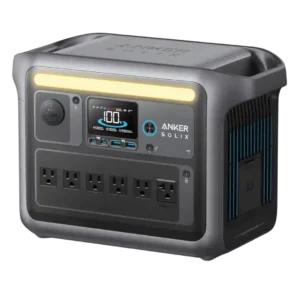
Independent tests recovered a high share of the rated capacity through both AC and DC outputs, especially at moderate loads.
Pros: power output, rated output
Cons: dual-input charging, cable storage
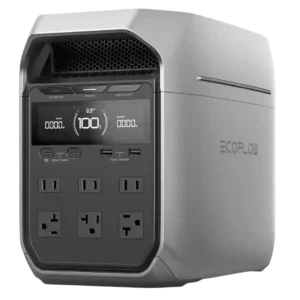
Capacity testing recovered roughly 87–88% of the rated energy, a strong result for AC and DC use.
Pros: rated output, peak output
Cons: 30-amp output, parallel operation support
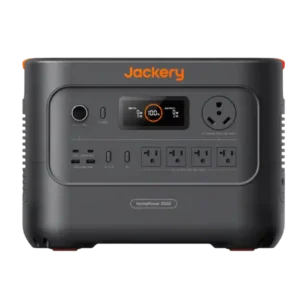
Real-world use suggests a large share of the 3,072Wh pack is practically available, with long appliance runtimes and modest drain during tool work.
Pros: power output, rated output
Cons: battery expandability, car charging speed
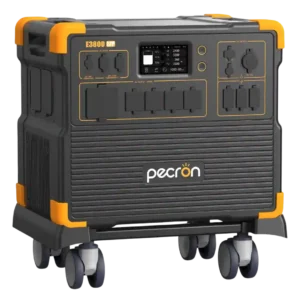
AC discharge testing produced about 93% usable capacity, an excellent result, while low-voltage DC use was less efficient.
Pros: surge capacity, output stability
Cons: app connectivity, idle noise
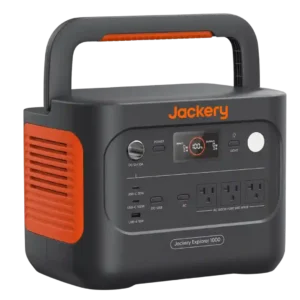
A measured 91.5% usable capacity was considered well above average and supports confidence in the inverter and battery design.
Pros: rated output, peak output
Cons: standby power loss, specification accuracy
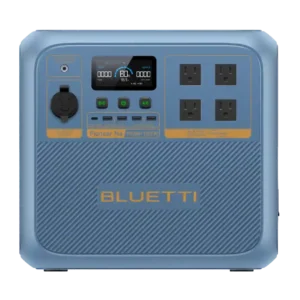
Measured usable capacity is excellent, with several tests recovering roughly 92-96% on AC and unusually strong results relative to the 900Wh rating.
Pros: pure sine wave output, startup performance
Cons: MPPT controller performance, battery expandability
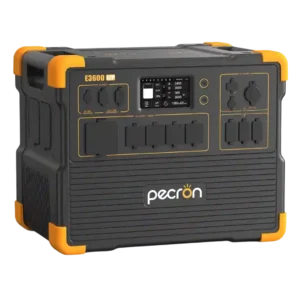
Independent tests recovered roughly 86–93% of rated capacity, which is strong for a large inverter power station.
Pros: power output, rated output
Cons: output stability, voltage regulation
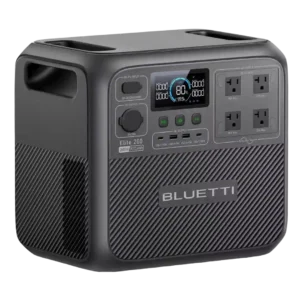
Measured usable energy is close to the rated capacity in strong tests, helping the station deliver predictable runtimes.
Pros: output stability, pure sine wave output
Cons: specification accuracy, startup reliability
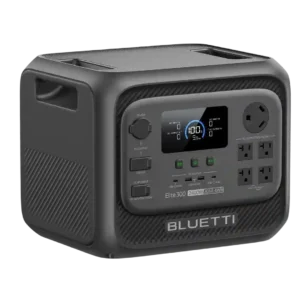
Measured usable output was excellent, commonly around 89-94% in favorable tests and unusually high for a station this size.
Pros: surge capacity, voltage regulation
Cons: water resistance, ventilation requirements
Independent tests commonly recover about 83–86% of rated energy, a solid result for this class.
Pros: noise level, idle noise
Cons: self-discharge rate, air travel suitability
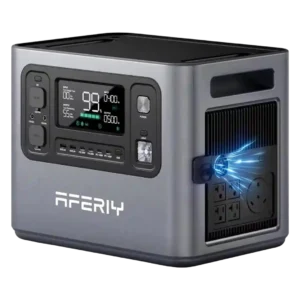
Measured usable capacity was generally strong, ranging from about 85% to over 92% depending on output and test method.
Pros: rated output, peak output
Cons: app connectivity, voltage regulation
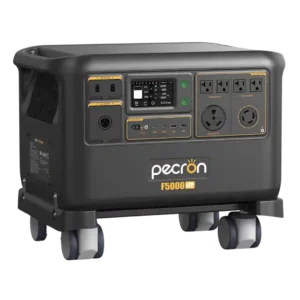
Measured usable AC capacity lands around the mid-to-high-80% range and is generally judged good for a pack this large. DC testing can recover even more of the rated 5,120Wh.
Pros: power output, output stability
Cons: firmware updates, built-in light
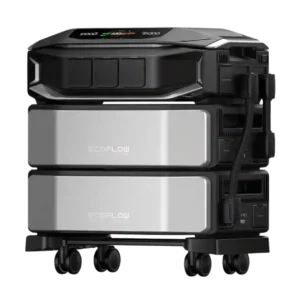
Measured delivered energy comes reasonably close to the rated pack capacity, and reviewers note improved efficiency in how much stored energy reaches real loads.
Pros: output stability, voltage regulation
Cons: solar cable compatibility, UPS functionality
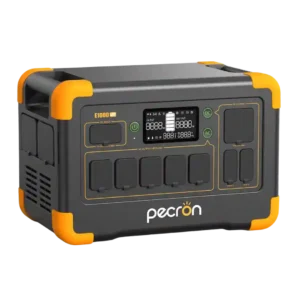
Usable capacity is generally solid to excellent, commonly returning the mid-to-high 80% range or better, though extreme cold can erase the E1000LFP's nominal capacity advantage.
Pros: inverter quality, LiFePO4 battery
Cons: idle noise, built-in light
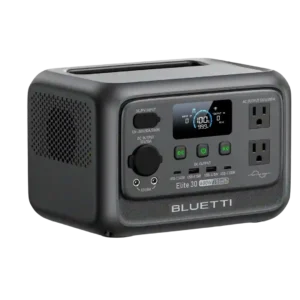
Independent tests commonly recover about 88–95% of the rated capacity, which is strong for the class. A few users and one test measured noticeably less, so results are not perfectly...
Pros: rated output, output stability
Cons: over-voltage protection, cold-weather performance
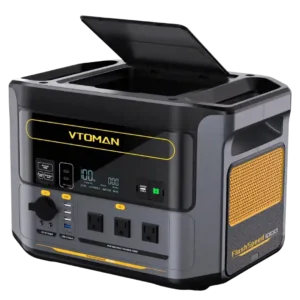
Measured usable energy was respectable rather than exceptional, with one AC test reporting about 76% of the 828Wh rating.
Pros: inverter quality, power quality
Cons: Wi-Fi connectivity, weather resistance
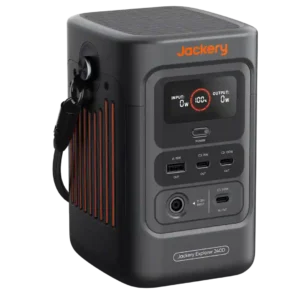
About 218Wh of usable energy is a realistic expectation after conversion losses, enough for a focused kit of USB devices.
Pros: power output, rated output
Cons: AC outlet count, repairability
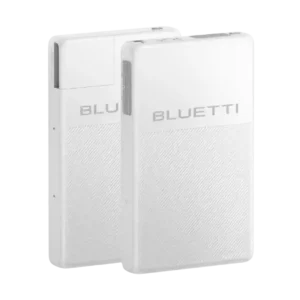
Measured usable AC capacity was about 84–85% of the 2,016Wh rating. That is typical but slightly below one reviewer’s preferred threshold.
Pros: power output, rated output
Cons: USB-A ports, 12-volt outlet
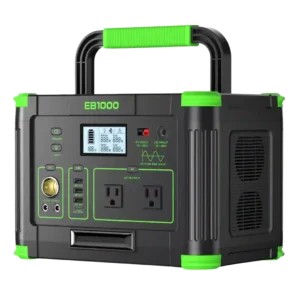
Measured usable energy landed around 84% in lab testing, while one owner estimated roughly 800Wh. That is respectable, though clearly below the headline 999Wh.
Pros: rated output, output stability
Cons: battery expandability, startup reliability
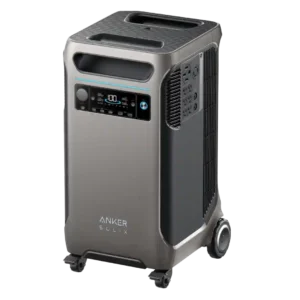
Measured usable capacity varied from roughly 72% to 86%, with most results around the expected range for a large inverter. The spread means runtime estimates should include conversion losses.
Pros: rated output, output stability
Cons: car charging speed, USB-A ports
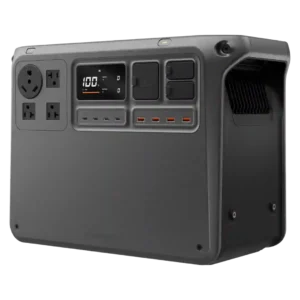
AC-side usable capacity was often excellent, while a few tests and owners found DC-side or real-world capacity lower than expected.
Pros: rated output, peak output
Cons: startup reliability, full-load noise
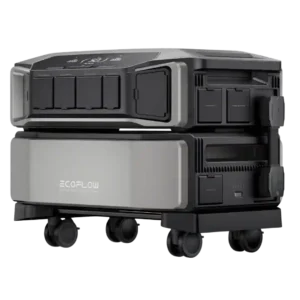
Usable-capacity testing landed around industry-average to good overall, though one detailed test docked the DPU for missing an 85% DC-capacity benchmark.
Pros: power quality, simultaneous device support
Cons: battery percentage accuracy, firmware updates
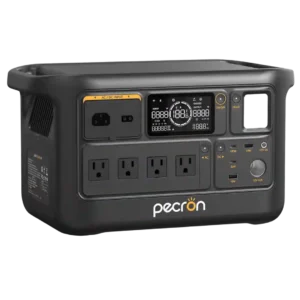
Measured usable AC capacity varies noticeably, from about 75% in one test to roughly 84–88% in others. Most results sit around the typical range for portable power stations.
Pros: rated output, peak output
Cons: startup reliability, whole-home integration
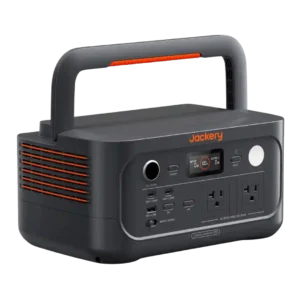
Delivered capacity varied by test method, ranging from close to the rated figure to a noticeably lower result under a heater load.
Pros: output stability, pure sine wave output
Cons: remaining runtime estimate, Bluetooth connectivity
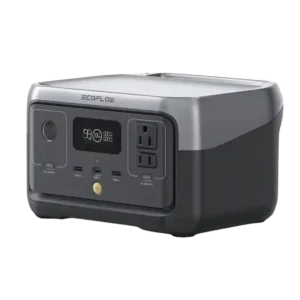
Measured usable energy falls below the 256Wh headline, with technical results around 200-218Wh and one customer reporting a much lower faulty result.
Pros: surge capacity, output stability
Cons: dual-input charging, whole-home integration
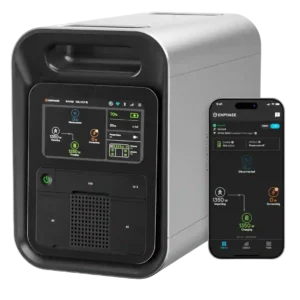
Measured usable capacity was below average, especially through the DC output, partly because the system reserves energy for long-term battery protection.
Pros: rated output, output stability
Cons: runtime at full load, RV outlet