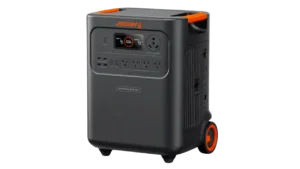
Measured usable capacity was excellent, with several tests recovering roughly 90% to 95% of the rated battery energy.
Pros: output stability, voltage regulation
Cons: DC output, 12-volt outlet

Measured usable capacity was excellent, with several tests recovering roughly 90% to 95% of the rated battery energy.
Pros: output stability, voltage regulation
Cons: DC output, 12-volt outlet
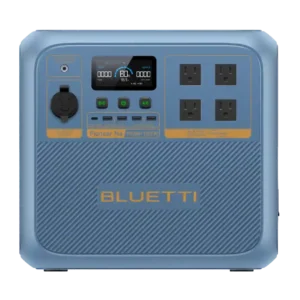
Measured usable capacity is excellent, with several tests recovering roughly 92-96% on AC and unusually strong results relative to the 900Wh rating.
Pros: pure sine wave output, startup performance
Cons: MPPT controller performance, battery expandability
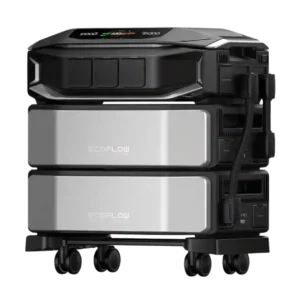
Measured delivered energy comes reasonably close to the rated pack capacity, and reviewers note improved efficiency in how much stored energy reaches real loads.
Pros: output stability, voltage regulation
Cons: solar cable compatibility, UPS functionality
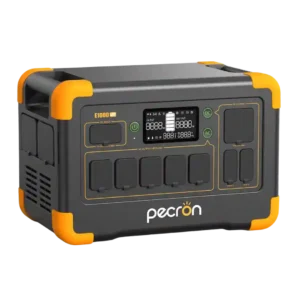
Usable capacity is generally solid to excellent, commonly returning the mid-to-high 80% range or better, though extreme cold can erase the E1000LFP's nominal capacity advantage.
Pros: inverter quality, LiFePO4 battery
Cons: idle noise, built-in light
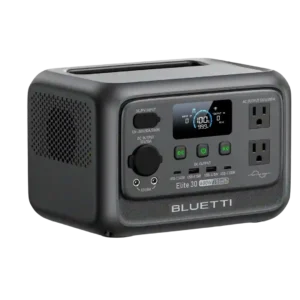
Independent tests commonly recover about 88–95% of the rated capacity, which is strong for the class. A few users and one test measured noticeably less, so results are not perfectly...
Pros: rated output, output stability
Cons: over-voltage protection, cold-weather performance
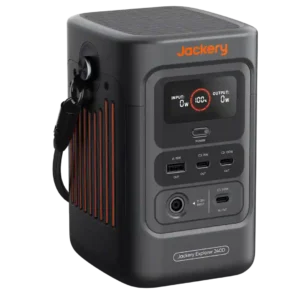
About 218Wh of usable energy is a realistic expectation after conversion losses, enough for a focused kit of USB devices.
Pros: power output, rated output
Cons: AC outlet count, repairability
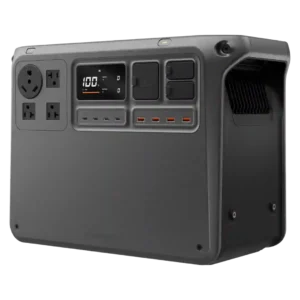
AC-side usable capacity was often excellent, while a few tests and owners found DC-side or real-world capacity lower than expected.
Pros: rated output, peak output
Cons: startup reliability, full-load noise
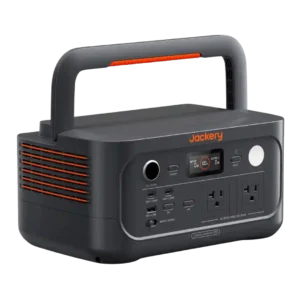
Delivered capacity varied by test method, ranging from close to the rated figure to a noticeably lower result under a heater load.
Pros: output stability, pure sine wave output
Cons: remaining runtime estimate, Bluetooth connectivity