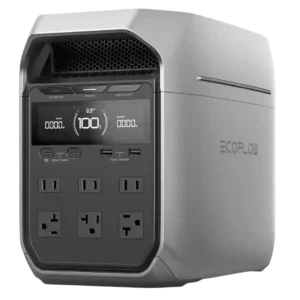
Capacity testing recovered roughly 87–88% of the rated energy, a strong result for AC and DC use.
Pros: rated output, peak output
Cons: 30-amp output, parallel operation support

Capacity testing recovered roughly 87–88% of the rated energy, a strong result for AC and DC use.
Pros: rated output, peak output
Cons: 30-amp output, parallel operation support
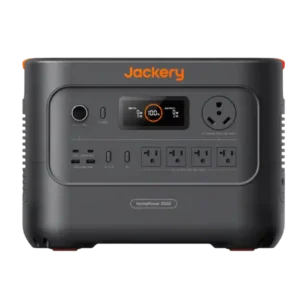
Real-world use suggests a large share of the 3,072Wh pack is practically available, with long appliance runtimes and modest drain during tool work.
Pros: power output, rated output
Cons: battery expandability, car charging speed
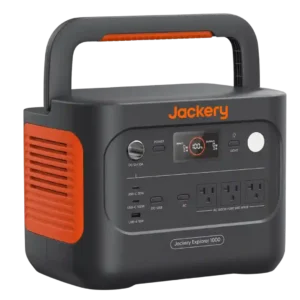
A measured 91.5% usable capacity was considered well above average and supports confidence in the inverter and battery design.
Pros: rated output, peak output
Cons: standby power loss, specification accuracy
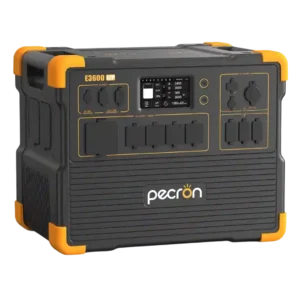
Independent tests recovered roughly 86–93% of rated capacity, which is strong for a large inverter power station.
Pros: power output, rated output
Cons: output stability, voltage regulation
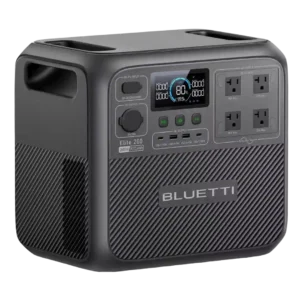
Measured usable energy is close to the rated capacity in strong tests, helping the station deliver predictable runtimes.
Pros: output stability, pure sine wave output
Cons: specification accuracy, startup reliability
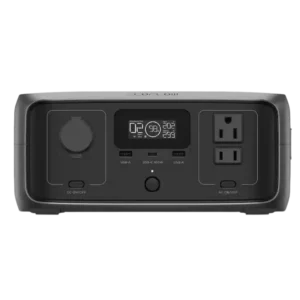
Independent tests commonly recover about 83–86% of rated energy, a solid result for this class.
Pros: noise level, idle noise
Cons: self-discharge rate, air travel suitability
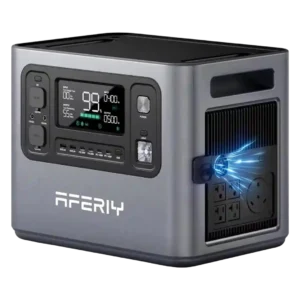
Measured usable capacity was generally strong, ranging from about 85% to over 92% depending on output and test method.
Pros: rated output, peak output
Cons: app connectivity, voltage regulation
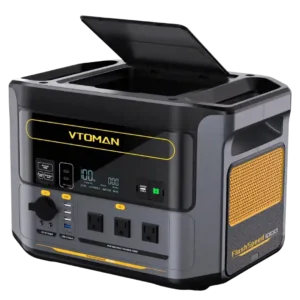
Measured usable energy was respectable rather than exceptional, with one AC test reporting about 76% of the 828Wh rating.
Pros: inverter quality, power quality
Cons: Wi-Fi connectivity, weather resistance
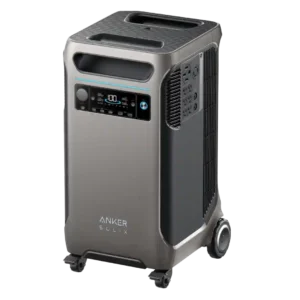
Measured usable capacity varied from roughly 72% to 86%, with most results around the expected range for a large inverter. The spread means runtime estimates should include conversion losses.
Pros: rated output, output stability
Cons: car charging speed, USB-A ports
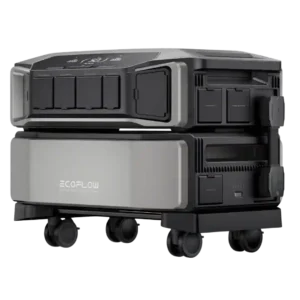
Usable-capacity testing landed around industry-average to good overall, though one detailed test docked the DPU for missing an 85% DC-capacity benchmark.
Pros: power quality, simultaneous device support
Cons: battery percentage accuracy, firmware updates
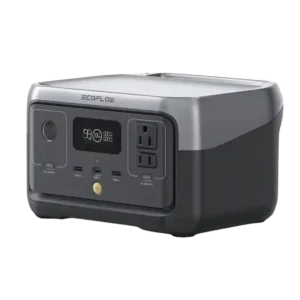
Measured usable energy falls below the 256Wh headline, with technical results around 200-218Wh and one customer reporting a much lower faulty result.
Pros: surge capacity, output stability
Cons: dual-input charging, whole-home integration
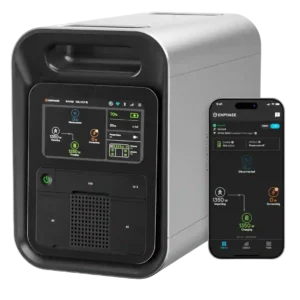
Measured usable capacity was below average, especially through the DC output, partly because the system reserves energy for long-term battery protection.
Pros: rated output, output stability
Cons: runtime at full load, RV outlet