Best for portability
Jackery Explorer 240D
5.0 feature score
Highest scored product for this feature based on supporting review evidence.

Highest scored product for this feature based on supporting review evidence.
Balances feature score, supporting reviews, and overall product strength.
Has the broadest review evidence for this feature.
Strongest overall product among items with scored evidence for this feature.
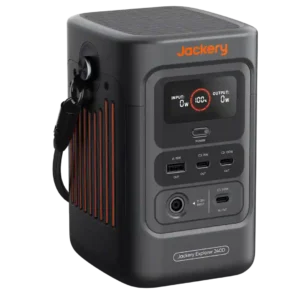
The 240D is exceptionally easy to carry for a 256Wh device. It suits road trips, field work, camping, photography, and remote work without the bulk of a conventional power station.
Pros: power output, rated output
Cons: AC outlet count, repairability
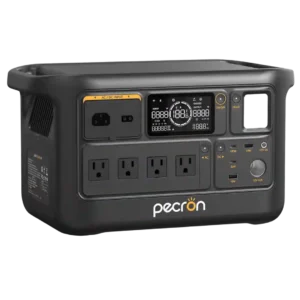
Portability is one of the F1000’s clearest strengths: the light, compact chassis is easy to move for camping, road trips, RV use, and outages.
Pros: rated output, peak output
Cons: startup reliability, whole-home integration
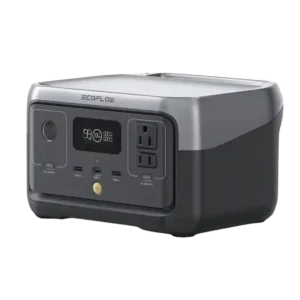
At about 7.7 pounds with a large rear handle, it is repeatedly praised as easy to carry for camping, road trips, field work, and short outages.
Pros: surge capacity, output stability
Cons: dual-input charging, whole-home integration
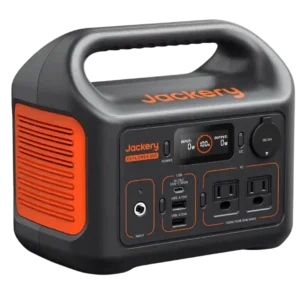
Portability is the defining advantage: at about 7.1 pounds, it is easy to carry one-handed, stash in a vehicle or even take on short hikes.
Pros: output stability, voltage regulation
Cons: battery expandability, water resistance
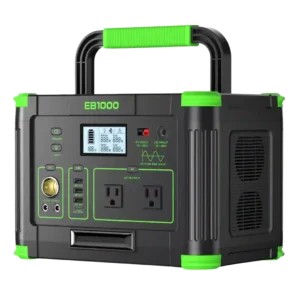
Portability is an exceptional strength for this capacity: the compact body, folding handle, and relatively low weight make it easy to move between home, vehicle, campsite, and jobsite.
Pros: rated output, output stability
Cons: battery expandability, startup reliability
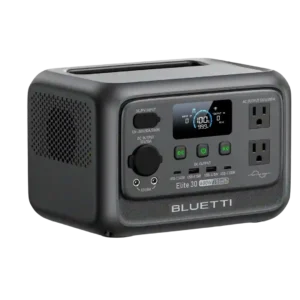
At roughly 9.5 pounds with a compact body and built-in handle, this is genuinely grab-and-go power. It is easy to move around a home, carry to a campsite, or tuck...
Pros: rated output, output stability
Cons: over-voltage protection, cold-weather performance
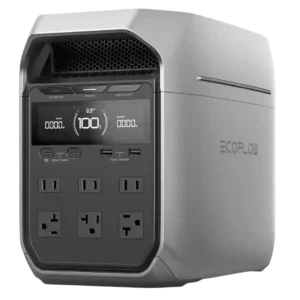
At roughly 27–31 pounds, the station is easy to move between a home, vehicle, campsite, or work area and is far more portable than larger backup systems.
Pros: rated output, peak output
Cons: 30-amp output, parallel operation support
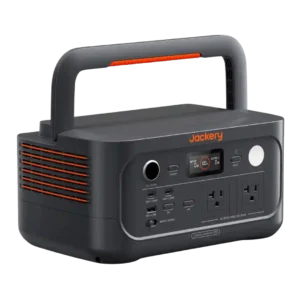
Portability is exceptional for the capacity, combining low weight, a compact body, and an easy carry handle that works well for camping, vehicles, and job sites.
Pros: output stability, pure sine wave output
Cons: remaining runtime estimate, Bluetooth connectivity
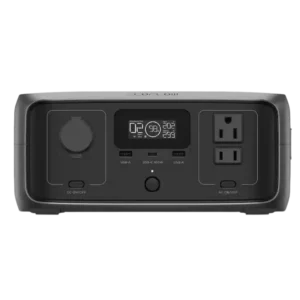
Reviewers regularly carry it between rooms, vehicles, campsites, work locations, and outdoor events. The integrated design makes grab-and-go use a major strength.
Pros: noise level, idle noise
Cons: self-discharge rate, air travel suitability
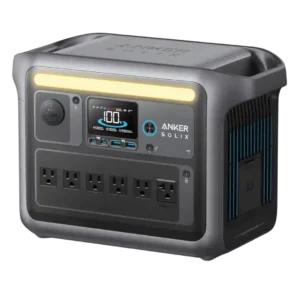
The compact shape and dual handles make it practical for car camping, road trips, and moving around a house. At roughly 28 pounds, it is portable rather than lightweight.
Pros: power output, rated output
Cons: dual-input charging, cable storage
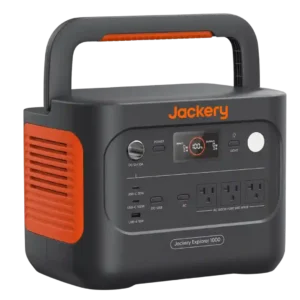
Its compact body and fold-down handle make it one of the easier 1kWh stations to move, though the weight is still noticeable on long carries.
Pros: rated output, peak output
Cons: standby power loss, specification accuracy
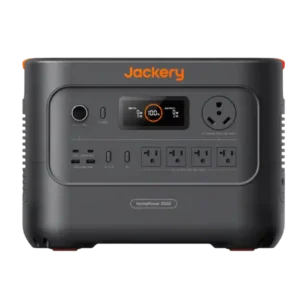
Portability is exceptional for a 3kWh station. It is still heavy, but far easier to move than many similarly powerful competitors.
Pros: power output, rated output
Cons: battery expandability, car charging speed
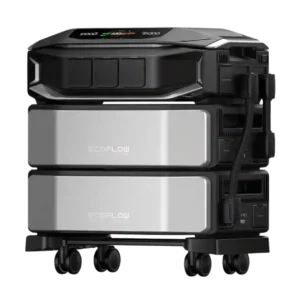
The Ultra X is portable in the residential sense rather than the camping sense. Its modules can be disconnected, wheeled, and moved to another property, but the batteries are heavy...
Pros: output stability, voltage regulation
Cons: solar cable compatibility, UPS functionality
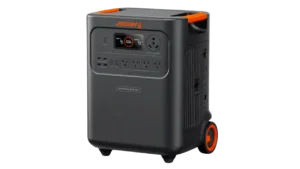
Portability is excellent for this capacity class thanks to the wheels and luggage-style design, though it remains a large battery rather than a carry-anywhere station.
Pros: output stability, voltage regulation
Cons: DC output, 12-volt outlet
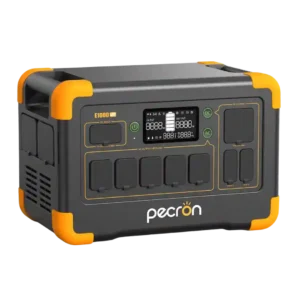
Despite weighing around 29–30 pounds, the compact case and dual handles make it practical for camping, car travel, RV use, and moving around the home.
Pros: inverter quality, LiFePO4 battery
Cons: idle noise, built-in light
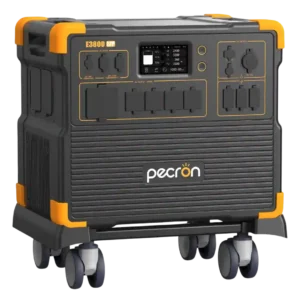
The included rolling base makes flat-floor movement easy, but the station is better treated as semi-portable than grab-and-go.
Pros: surge capacity, output stability
Cons: app connectivity, idle noise
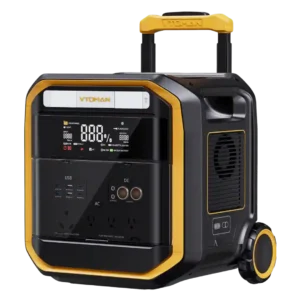
Its wheels and suitcase handle make rolling surprisingly easy, but true portability is limited by the more-than-80-pound weight. It is better moved occasionally than carried frequently.
Pros: power output, surge capacity
Cons: specification accuracy, peak output
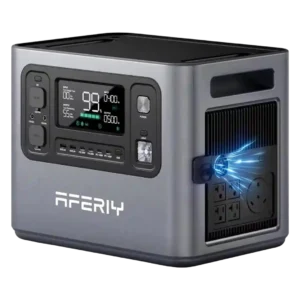
It is relatively portable for a 2kWh station and easier to move than many rivals, but nearly 50 pounds still limits frequent solo carrying.
Pros: rated output, peak output
Cons: app connectivity, voltage regulation
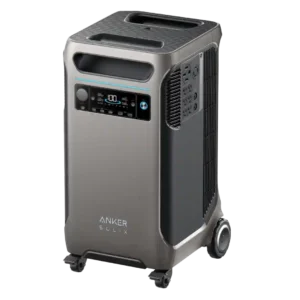
The wheels and suitcase-style handle make a 132-pound unit surprisingly easy to move on level floors and even some outdoor surfaces. Stairs, vehicle loading, and lifting still require help.
Pros: rated output, output stability
Cons: car charging speed, USB-A ports
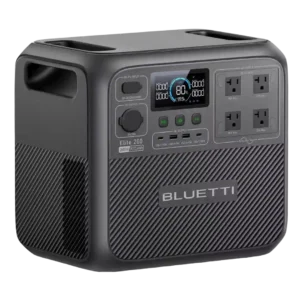
Its compact shape and dual handles make vehicle-based transport practical, but the weight rules out long carries and hiking.
Pros: output stability, pure sine wave output
Cons: specification accuracy, startup reliability
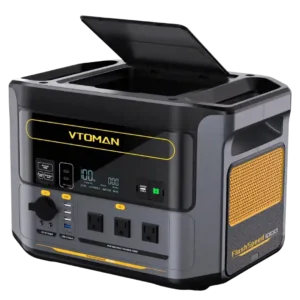
Chunky handles make transport manageable, but opinions differ because the roughly 32–40-pound body is still heavy and bulky.
Pros: inverter quality, power quality
Cons: Wi-Fi connectivity, weather resistance
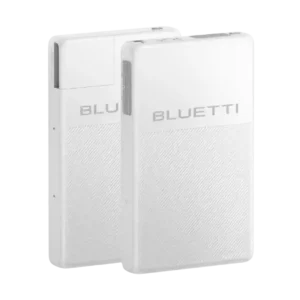
The flat shape fits vehicles, campers, desks, and tight storage spaces better than a cube-shaped station. Its weight and awkward proportions still make it better for occasional moves than frequent...
Pros: power output, rated output
Cons: USB-A ports, 12-volt outlet
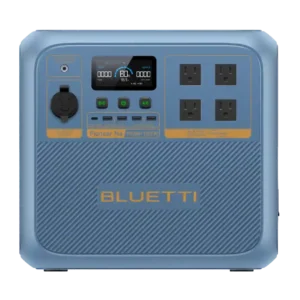
The Pioneer Na is movable and van-friendly, but not light. Reviewers see it as portable for short carries rather than something suited to hiking or frequent long-distance hauling.
Pros: pure sine wave output, startup performance
Cons: MPPT controller performance, battery expandability
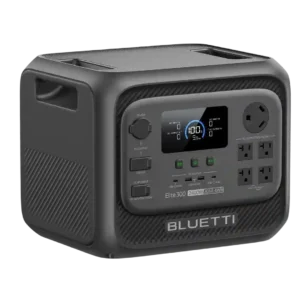
The small footprint travels well in vans and vehicles, but nearly 60 pounds makes it transportable rather than truly portable. It is best moved occasionally and then left in place.
Pros: surge capacity, voltage regulation
Cons: water resistance, ventilation requirements
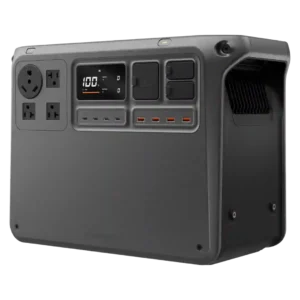
Its compact shape and side handles help, but nearly 50 pounds makes it better for vehicle-based travel than frequent hand carrying.
Pros: rated output, peak output
Cons: startup reliability, full-load noise
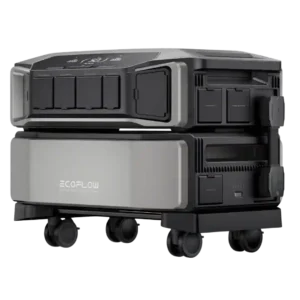
Portability is genuinely mixed. Wheels, carts, modular pieces, and detachable batteries make the DPU movable, but the complete system is extremely heavy and is better thought of as luggable or...
Pros: power quality, simultaneous device support
Cons: battery percentage accuracy, firmware updates
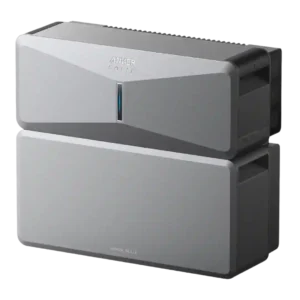
Portability is mixed. The E10 is mainly a set-and-forget home installation, but modular components, relocation-friendly architecture, and an optional trolley make occasional movement possible.
Pros: rated output, surge capacity
Cons: outlet selection, AC outlet count
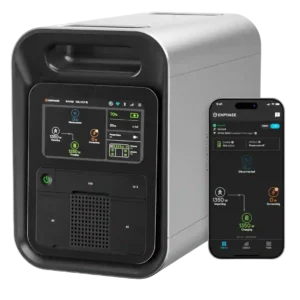
The cart makes the complete system exceptionally easy to roll, but the bare unit is too heavy for casual long-distance carrying.
Pros: rated output, output stability
Cons: runtime at full load, RV outlet
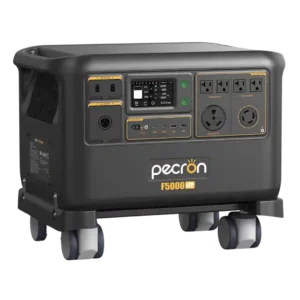
The F5000 is movable rather than truly portable. Wheels and handles help on flat surfaces, but the 120-plus-pound weight makes stairs, vehicle loading, and solo carrying impractical.
Pros: power output, output stability
Cons: firmware updates, built-in light
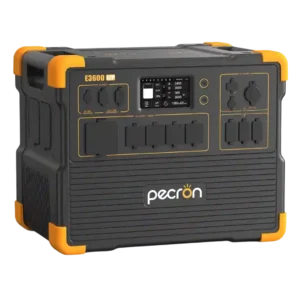
The E3600 is technically movable but not comfortably portable without a trolley.
Pros: power output, rated output
Cons: output stability, voltage regulation