Best for mission variety
Dispatch
5.0 feature score
Highest scored product for this feature based on supporting review evidence.

Highest scored product for this feature based on supporting review evidence.
Balances feature score, supporting reviews, and overall product strength.
Has the broadest review evidence for this feature.
Strongest overall product among items with scored evidence for this feature.

Dispatch calls cover a broad mix of situations and evolve across episodes. Reviewers generally find the mission variety strong enough to keep the management shifts fresh.
Pros: mission design, upgrade system
Cons: family friendliness, onboarding experience
Side content spans a wide mix of errands, story threads, tasks, and gags. The sheer bounty helps keep the game from running out of things to pursue.
Pros: exploration quality, sandbox freedom
Cons: companion AI, protagonist appeal
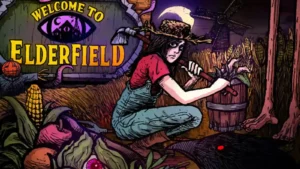
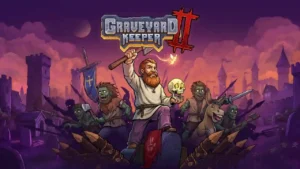
Resident requests range from mundane errands to bizarre horror tasks, giving the mission mix a playful and unpredictable character.
Pros: world interactivity, sandbox freedom
Cons: character diversity, character development
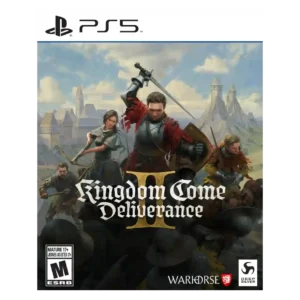
Mission variety was strongly praised, especially for quests that went beyond simple errands or bandit-clearing objectives.
Pros: soundtrack quality, fun factor
Cons: checkpoint system, family friendliness
Mission variety was praised for the large variety of optional quests and the range of task types, from fetch quests to puzzles and dialogue.
Pros: accessibility options, protagonist appeal
Cons: frame rate stability, polish
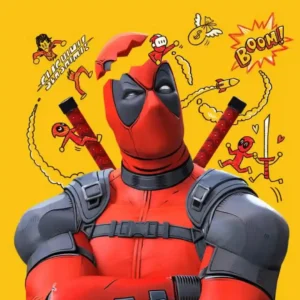
The campaign jumps between very different Marvel locations and mission concepts, giving its main villain hunts strong variety despite the recurring combat framework.
Pros: lore depth, originality
Cons: AI behavior, character development
Most objectives can be approached through different skills, allies, and failed outcomes. That flexibility makes each playthrough feel improvised rather than rigidly scripted.
Pros: level design, world interactivity
Cons: performance optimization, menu usability
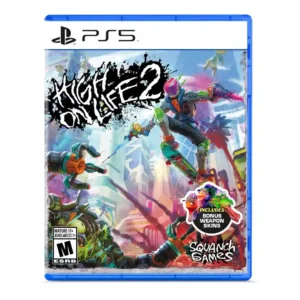
Reviewers repeatedly praise how missions change structure, tone, and mechanics, with fewer repeated scenarios than the original.
Pros: tutorial quality, monetization fairness
Cons: polish, HUD clarity

Mission variety was positive when minigames and combat lessons taught mechanics, but not all mission structures stayed fresh.
Pros: movement feel, art direction
Cons: platforming precision, writing quality
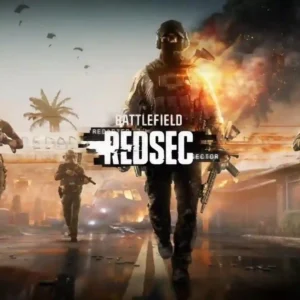
Mission variety is a consistent strength, spanning bombs, beacons, data collection, area control, and other objectives. The changing tasks help pull squads into different kinds of encounters.
Pros: controls responsiveness, sandbox freedom
Cons: frame rate stability, user interface design
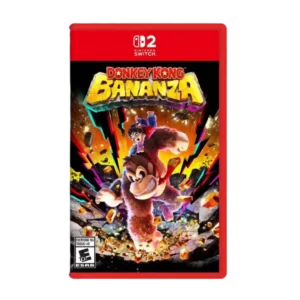
Mission variety was positive where side quests and mini-challenges kept layers active and occasionally demanding.
Pros: gameplay mechanics, world interactivity
Cons: economy and resource balance, enemy variety
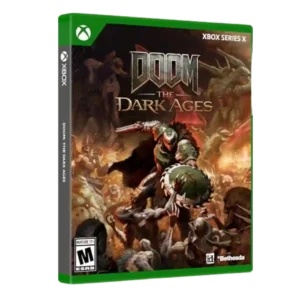
Mission variety was praised for wider spaces, linear sections and open objectives that changed pace.
Pros: environmental detail, polish
Cons: camera behavior, value for money
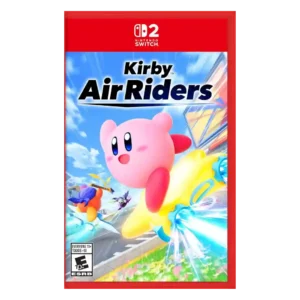
Reviewers praised the mix of conventional races, Stadium games, and Road Trip-style micro-challenges.
Pros: flying mechanics, exploration quality
Cons: AI behavior, boss design

The game rotates through story quests, trials, events, exploration tasks, and other activities, helping prevent the structure from feeling like one repeated mission type.
Pros: level design, replay value
Cons: competitive balance, battle pass value
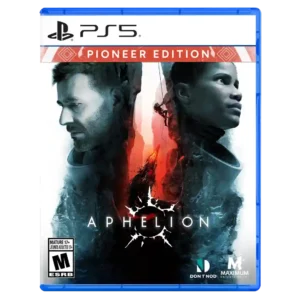
Ariane’s chapters mix climbing, scanning, storms, sliding, chases, and hazards more effectively than the game’s simple core suggests.
Pros: HUD clarity, onboarding experience
Cons: user interface design, menu usability
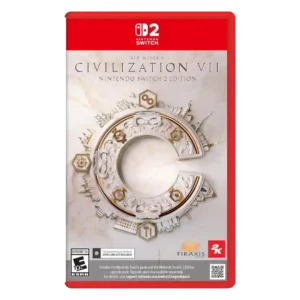
One reviewer strongly praised the variety created by changing civilization options across ages.
Pros: animation quality, controls responsiveness
Cons: matchmaking quality, user interface design
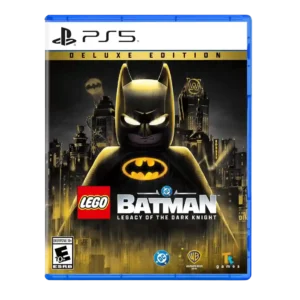
Mission variety is praised in one hands-on breakdown, which highlights combat, puzzles, collectibles, character switching, and free-roam elements.
Pros: pacing, core gameplay loop
Cons: companion AI, map and navigation design
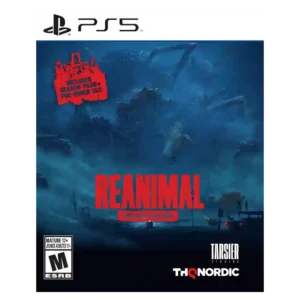
Mission variety is praised in one review for unexpected events that keep locales from overstaying their welcome.
Pros: onboarding experience, environmental detail
Cons: family friendliness, movement feel

Mission variety is supported by praise for fresh objectives and distinct environments across the stages.
Pros: graphics quality, environmental detail
Cons: bug frequency, dialogue quality
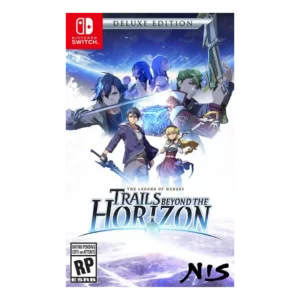
Mission variety received positive evidence from one review calling the Calvard side-activity lineup the most balanced of the arc.
Pros: facial animations, polish
Cons: grind level, stealth mechanics
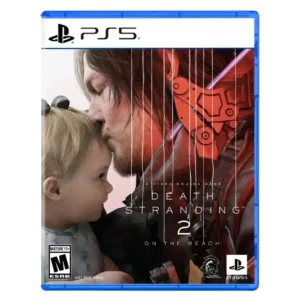
Mission variety is praised for fresher cargo conditions, hazards, and delivery setups, though some reviewers still noted simplification.
Pros: animation quality, facial animations
Cons: quest design, AI behavior
Chapters regularly introduce new eras, gimmicks, or genre shifts, which helps the campaign avoid feeling identical from start to finish even when the underlying objective structure repeats.
Pros: world interactivity, immersion
Cons: AI behavior, handheld play suitability
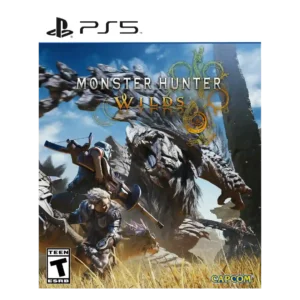
Mission variety was praised where reviewers highlighted varied, dynamic fights and engaging battles across the campaign.
Pros: art direction, cross-play support
Cons: dialogue quality, monetization fairness

Mission variety is positive overall, though one later review says some races and missions become repetitive over time.
Pros: controls responsiveness, movement feel
Cons: tutorial quality, animation quality
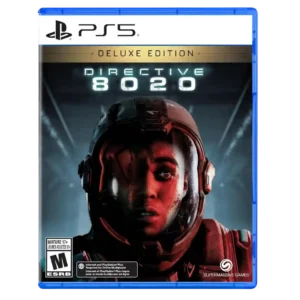
Mission variety earned praise in one hands-on because tension and action blended together across the demo.
Pros: user interface design, graphics quality
Cons: combat system, animation quality
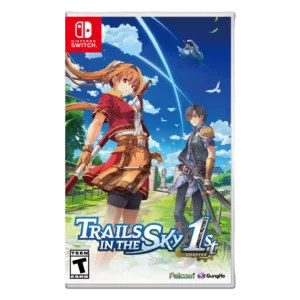
Mission variety received positive but limited evidence, mainly around enough quest and objective variety to avoid slogging.
Pros: protagonist appeal, art direction
Cons: camera behavior, tutorial quality
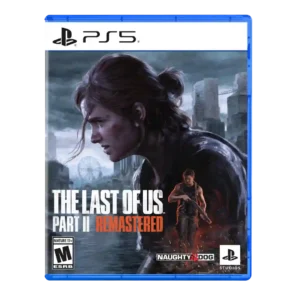
Mission variety in No Return was praised for randomized objectives and encounter types, with some caveats about uneven encounters.
Pros: core gameplay loop, level design
Cons: family friendliness, puzzle design

Mission variety is generally strong due to race types, Horizon Rush, map activities, and event diversity, though familiar modes remain part of the package.
Pros: open-world design, replay value
Cons: dialogue quality, writing quality

Mission variety is praised where quests add conditions and structure, but not every special condition lands well.
Pros: emotional impact, animation quality
Cons: enemy variety, server reliability
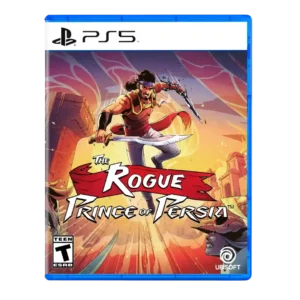
Mission variety was supported by secondary missions and NPC objectives that pushed different play styles and routes.
Pros: crash stability, HUD clarity
Cons: character development, visual effects quality
One review liked that different drop conditions can create different quests or events on a map.
Pros: frame rate stability, platform-specific feature support
Cons: voice acting, writing quality
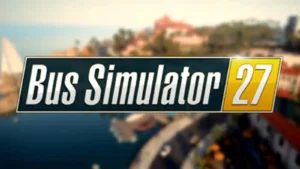
Different routes help prevent the driving routine from becoming repetitive.
Pros: level design, difficulty balance
Cons: writing quality, load times
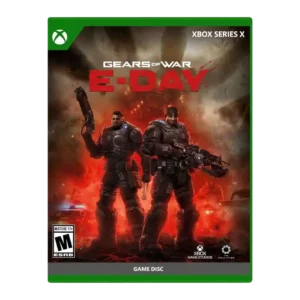
Mission variety evidence is limited but positive, centered on optional encounters that let players help or ignore situations.
Pros: emotional impact, art direction
Cons: value for money, platform-specific feature support
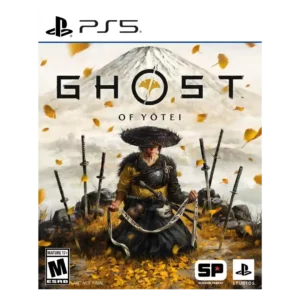
Mission variety is lightly positive, with praise for varied missions in different places and diverse objectives.
Pros: movement feel, environmental detail
Cons: puzzle design, age appropriateness

The game continues introducing different challenges and surprises as the Vault advances, helping objectives feel less static.
Pros: mission design, world interactivity
Cons: emotional impact, exploration quality
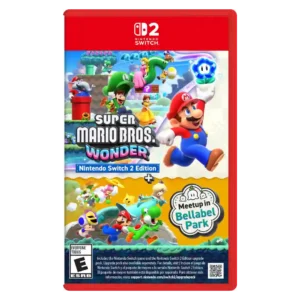
Mission goals cover timed clears, enemy defeats, coin collection, invincibility runs, avoidance challenges, and more. That spread keeps Training Camp fresher than its reused stages might suggest.
Pros: controls responsiveness, voice acting
Cons: matchmaking quality, user interface design
The campaign does mix in poison-gas runs, powered-down sequences, defense sections, and other twists, though not every experiment lands.
Pros: world interactivity, progression system
Cons: load times, character development

Gauntlets, new match types, fantasy bouts, and broader mode objectives keep many sessions varied. The strongest alternatives let players chase rewards without repeating the exact same structure.
Pros: lore depth, co-op experience
Cons: economy and resource balance, tutorial quality
Mission variety was strong overall, but a few sci-fi sections were called less memorable.
Pros: puzzle design, level design
Cons: exploration quality, side character depth
Mission variety benefited from random events, shifting terrain, and post-launch additions, but some wanted more frequent shakeups.
Pros: emotional impact, visual effects quality
Cons: crash stability, cross-play support
Mission variety is positive for side content and activities, but some reviewers still find enemy waves or fights repetitive.
Pros: sandbox freedom, art direction
Cons: polish, save system reliability
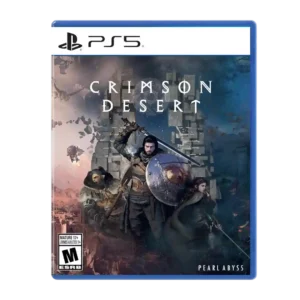
Reviewer evidence is positive: mission variety was generally praised, though some notes were more qualified across 4 review(s).
Pros: level design, replay value
Cons: stealth mechanics, save system reliability
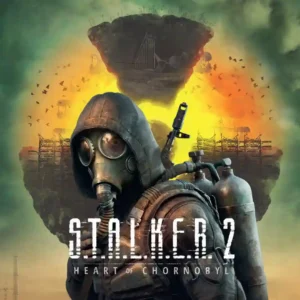
Mission variety leans on a familiar mix of fetching, killing, and exploration. That structure is serviceable, but it does not consistently reinvent open-world quest design.
Pros: core gameplay loop, sandbox freedom
Cons: pacing, dialogue quality
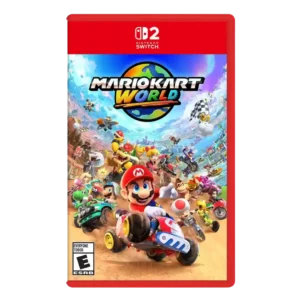
Mission variety was mixed, with P-Switch missions described as interesting and skill-building by some but repetitive by others.
Pros: animation quality, sound design
Cons: difficulty balance, AI behavior
Mission quality ranges from imaginative faction stories and strange side adventures to repetitive fetch tasks and cave-clearing errands. The amount of content is huge, but not every activity is equally...
Pros: gameplay mechanics, core gameplay loop
Cons: camera behavior, haptic feedback integration
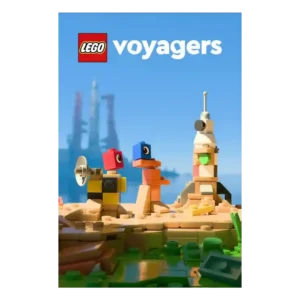
Mission variety was mixed: reviewers liked vehicles and set pieces, but some found standout moments limited or repetitive.
Pros: writing quality, checkpoint system
Cons: menu usability, user interface design
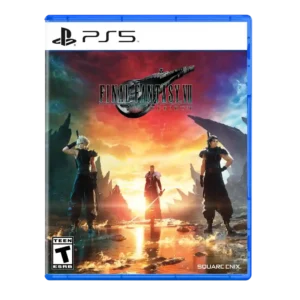
Mission variety is mixed because Chadley-style objectives and world intel can repeat across regions despite the game offering many different activities overall.
Pros: world-building, art direction
Cons: mission design, stealth mechanics
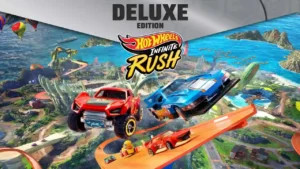
The game offers many named event types, but reviewers disagree on how distinct they feel in practice. Repeated layouts and familiar objectives make variety fade over time.
Pros: haptic feedback integration, sound design
Cons: core gameplay loop, soundtrack quality
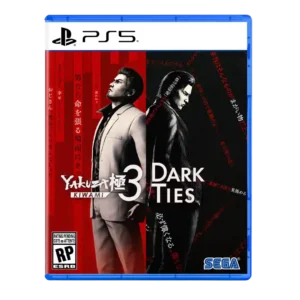
Mission variety is inconsistent: the best side chains mix combat, humor, and investigation, while some modes recycle the same encounters too often.
Pros: controls responsiveness, movement feel
Cons: casting choices, grind level
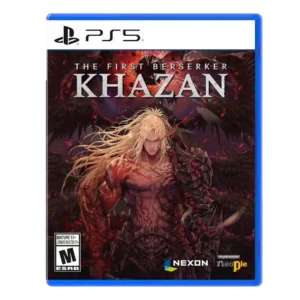
Mission variety is mixed to weak: some remixed side content adds freshness, but boss reuse and recycled side missions are repeated complaints.
Pros: core gameplay loop, controls responsiveness
Cons: mission design, learning curve