
Dispatch calls cover a broad mix of situations and evolve across episodes. Reviewers generally find the mission variety strong enough to keep the management shifts fresh.
Pros: choice impact, narrative quality
Cons: gameplay mechanics, QTE design

Dispatch calls cover a broad mix of situations and evolve across episodes. Reviewers generally find the mission variety strong enough to keep the management shifts fresh.
Pros: choice impact, narrative quality
Cons: gameplay mechanics, QTE design

Mission variety was strongly praised, especially for quests that went beyond simple errands or bandit-clearing objectives.
Pros: combat system, narrative quality
Cons: save system reliability, learning curve
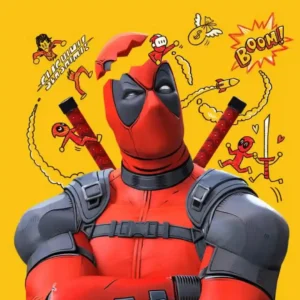
The campaign jumps between very different Marvel locations and mission concepts, giving its main villain hunts strong variety despite the recurring combat framework.
Pros: combat system, voice acting
Cons: pacing, boss design

Mission variety is a consistent strength, spanning bombs, beacons, data collection, area control, and other objectives. The changing tasks help pull squads into different kinds of encounters.
Pros: fun factor, battle mode quality
Cons: multiplayer design, replay value

Different stage goals and short vehicle set pieces keep the mission structure fresh. The variety is especially appreciated when it adds a change of pace without overstaying its welcome.
Pros: overall quality, difficulty balance
Cons: frame rate stability, performance optimization

Mission variety was positive where side quests and mini-challenges kept layers active and occasionally demanding.
Pros: fun factor, world interactivity
Cons: frame rate stability, boss design
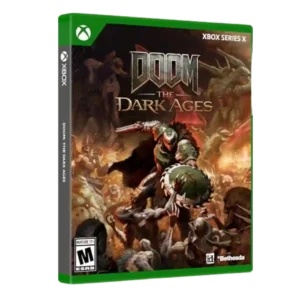
Mission variety was praised for wider spaces, linear sections and open objectives that changed pace.
Pros: combat system, weapon balance
Cons: flying mechanics, narrative quality

Reviewers praised the mix of conventional races, Stadium games, and Road Trip-style micro-challenges.
Pros: battle mode quality, content variety
Cons: learning curve, competitive balance
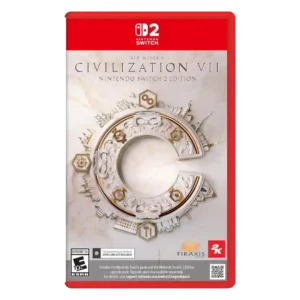
One reviewer strongly praised the variety created by changing civilization options across ages.
Pros: fun factor, economy and resource balance
Cons: progression system, user interface design

Mission variety is supported by praise for fresh objectives and distinct environments across the stages.
Pros: combat system, faithfulness to franchise
Cons: narrative quality, frame rate stability

Mission variety is praised for fresher cargo conditions, hazards, and delivery setups, though some reviewers still noted simplification.
Pros: narrative quality, combat system
Cons: difficulty balance, weapon balance

Mission variety was praised where reviewers highlighted varied, dynamic fights and engaging battles across the campaign.
Pros: combat system, narrative quality
Cons: difficulty balance, endgame content
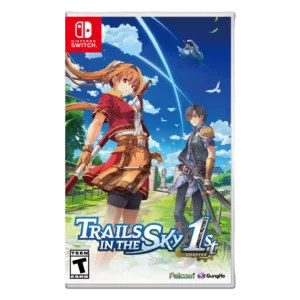
Mission variety received positive but limited evidence, mainly around enough quest and objective variety to avoid slogging.
Pros: remake/remaster quality, combat system
Cons: content variety

Mission variety is praised where quests add conditions and structure, but not every special condition lands well.
Pros: content variety, gameplay mechanics
Cons: learning curve, user interface design

One review liked that different drop conditions can create different quests or events on a map.
Pros: sound design, combat system
Cons: voice acting, menu usability

Mission variety is lightly positive, with praise for varied missions in different places and diverse objectives.
Pros: combat system, narrative quality
Cons: grind level, innovation
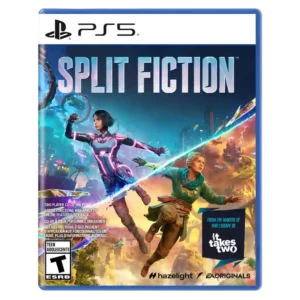
Mission variety was strong overall, but a few sci-fi sections were called less memorable.
Pros: co-op experience, content variety
Cons: writing quality, narrative quality
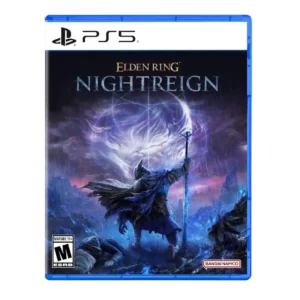
Mission variety benefited from random events, shifting terrain, and post-launch additions, but some wanted more frequent shakeups.
Pros: co-op experience, fun factor
Cons: difficulty balance, social features

Mission variety is positive for side content and activities, but some reviewers still find enemy waves or fights repetitive.
Pros: movement feel, loot system
Cons: performance optimization, narrative quality

Mission variety leans on a familiar mix of fetching, killing, and exploration. That structure is serviceable, but it does not consistently reinvent open-world quest design.
Pros: immersion, fun factor
Cons: bug frequency, AI behavior

Different towns, facilities, countryside, and nighttime missions can keep the campaign varied. Repeated locations and familiar objective types leave other players feeling they have seen too much of it before.
Pros: overall quality, level design
Cons: innovation, mission design
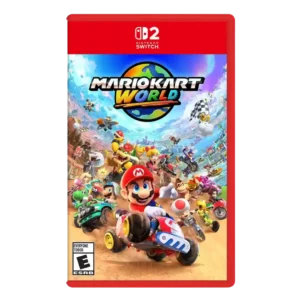
Mission variety was mixed, with P-Switch missions described as interesting and skill-building by some but repetitive by others.
Pros: content variety, soundtrack quality
Cons: open-world design, exploration quality
Mission variety was mixed: reviewers liked vehicles and set pieces, but some found standout moments limited or repetitive.
Pros: co-op experience, puzzle design
Cons: controls responsiveness, replay value

Mission variety is mixed to weak: some remixed side content adds freshness, but boss reuse and recycled side missions are repeated complaints.
Pros: combat system, boss design
Cons: narrative quality, difficulty balance

Mission variety was mixed, with some reviewers finding each level distinct and others calling variety limited.
Pros: combat system, character roster
Cons: level design, mission design

Campaign variety is mixed: some missions offer stealth-or-action flexibility, while other sources say the overall structure repeats too many similar objectives.
Pros: multiplayer design, level design
Cons: fun factor, narrative quality

Mission variety was a recurring weakness when leads devolved into similar errands or repetitive objective chains.
Pros: narrative quality, exploration quality
Cons: combat system, AI behavior

Mission variety was limited by repeated chase and combat patterns across the short campaign.
Pros: soundtrack quality, narrative quality
Cons: combat system, enemy variety

Mission variety is a weak spot, especially early on. Repetitive fetch-style objectives can make the grind feel artificial even when later contracts become more interesting.
Pros: fun factor, loot system
Cons: difficulty balance, quest design
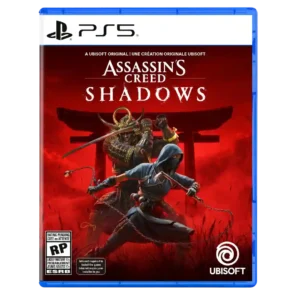
Mission variety is a recurring concern, with repeated targets, activities, and quest structures wearing thin even in otherwise positive reviews.
Pros: stealth mechanics, graphics quality
Cons: narrative quality, mission variety

campaign mission variety was weak because vehicle, stealth, and on-rails attempts often failed to add much.
Pros: multiplayer design, sound design
Cons: narrative quality, map and navigation design

Mission variety suffered for some reviewers due to a lack of environmental variety and repeated structures.
Pros: combat system, exploration quality
Cons: graphics quality, voice acting

Mission variety was criticized by one reviewer who felt objectives repeated too often.
Pros: combat system, progression system
Cons: pacing, AI behavior