Best for load handling
Grecell T-1000
5.0 feature score
Highest scored product for this feature based on supporting review evidence.

Highest scored product for this feature based on supporting review evidence.
Balances feature score, supporting reviews, and overall product strength.
Has the broadest review evidence for this feature.
Strongest overall product among items with scored evidence for this feature.
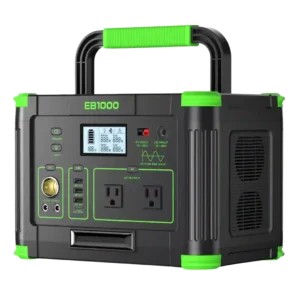
Real-world loads such as fridges, pumps, tools, projectors, coffee makers, and a firewood wrapper were handled reliably within the 1000W limit.
Pros: rated output, output stability
Cons: battery expandability, startup reliability
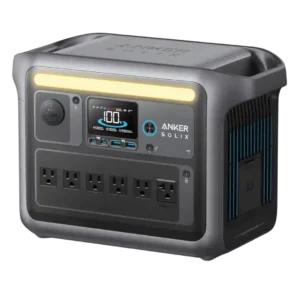
The station handles mixed office, campsite, kitchen, and tool loads with strong stability. It shuts down safely when users exceed its continuous limit.
Pros: power output, rated output
Cons: dual-input charging, cable storage
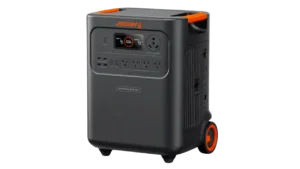
Load handling was excellent across demanding tests, including heaters, tools, kitchen appliances, and other combined loads without nuisance shutdowns.
Pros: output stability, voltage regulation
Cons: DC output, 12-volt outlet
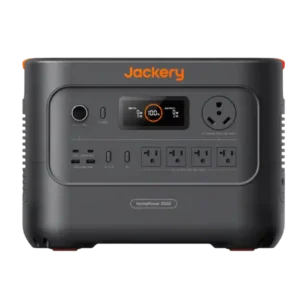
The inverter handles high combined loads smoothly, from kitchen appliances to power tools and filming equipment.
Pros: power output, rated output
Cons: battery expandability, car charging speed
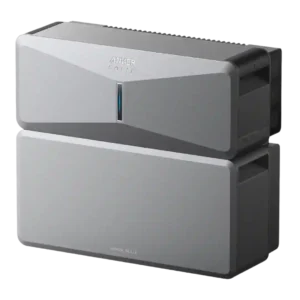
Load management is excellent when properly configured: reviewers praise circuit prioritization, high simultaneous demand handling, and the ability to keep essential loads running as battery levels fall.
Pros: rated output, surge capacity
Cons: outlet selection, AC outlet count
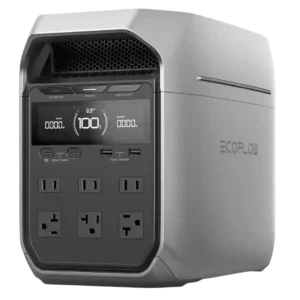
Real-world tests with washing machines, pressure washers, refrigerators, air fryers, and other appliances showed confident load handling.
Pros: rated output, peak output
Cons: 30-amp output, parallel operation support
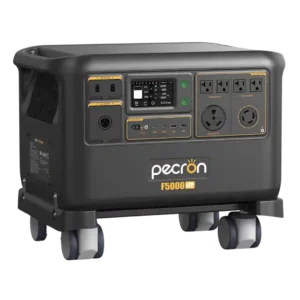
Real-world load tests are very strong, with the F5000 sustaining rated output and running multiple household appliances together. Reviewers report little trouble with ordinary heavy backup loads.
Pros: power output, output stability
Cons: firmware updates, built-in light
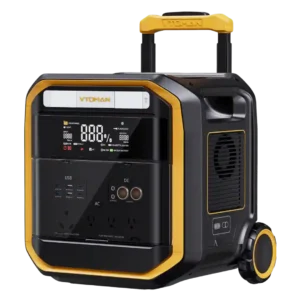
Heavy and mixed loads were handled confidently, including draws that commonly trip smaller power stations.
Pros: power output, surge capacity
Cons: specification accuracy, peak output
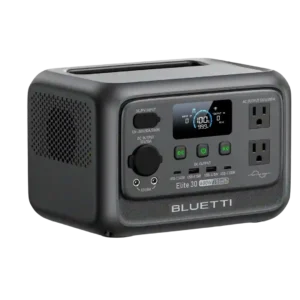
It handles mixed device loads confidently and can even sustain demanding resistive appliances within its limits. Multi-device tests generally finish without protection trips.
Pros: rated output, output stability
Cons: over-voltage protection, cold-weather performance
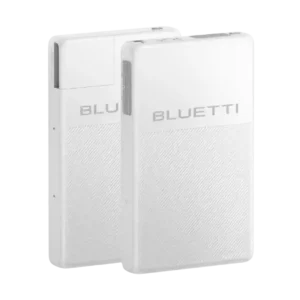
The inverter sustained its 1,800W rating and started demanding inductive loads without shutting down.
Pros: power output, rated output
Cons: USB-A ports, 12-volt outlet
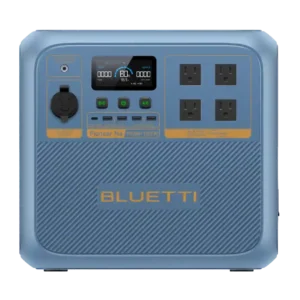
A stress test near the inverter's continuous limit completed without issues, showing strong sustained-load behavior.
Pros: pure sine wave output, startup performance
Cons: MPPT controller performance, battery expandability
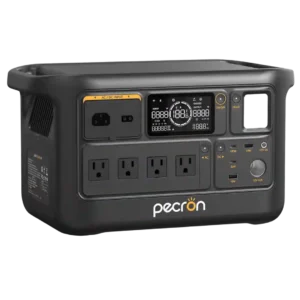
Near-rated 1,500W loads are handled very well in most tests, including heaters, tools, and coffee makers. Limits appear with some high-inrush saws and one combined AC/DC test.
Pros: rated output, peak output
Cons: startup reliability, whole-home integration
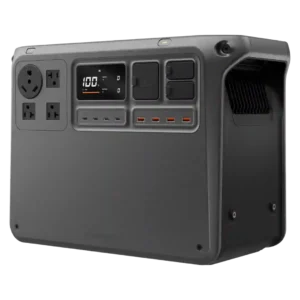
Across appliance, workshop, event, and production tests, the station handled demanding combinations with very few hiccups.
Pros: rated output, peak output
Cons: startup reliability, full-load noise
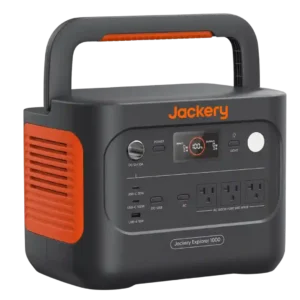
The inverter supports mixed electronics and appliances at once with impressive stability, provided the combined draw stays within 1,500W.
Pros: rated output, peak output
Cons: standby power loss, specification accuracy
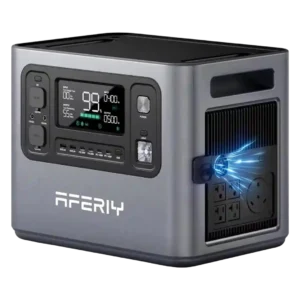
Within its rating, the P280 handled large appliances and tools reliably, often running several loads together without shutting down.
Pros: rated output, peak output
Cons: app connectivity, voltage regulation
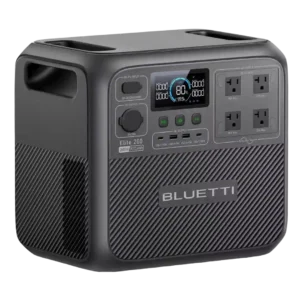
The station stays stable through mixed and high loads, with protection operating correctly when testers deliberately exceeded its limits.
Pros: output stability, pure sine wave output
Cons: specification accuracy, startup reliability
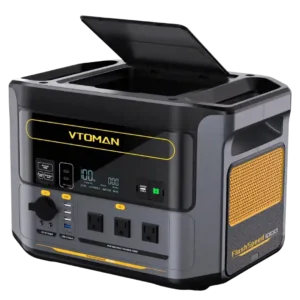
Real-world tests with tools, kitchen appliances, office gear, freezers, and electronics were overwhelmingly successful, though overloaded heating devices can run at reduced power.
Pros: inverter quality, power quality
Cons: Wi-Fi connectivity, weather resistance
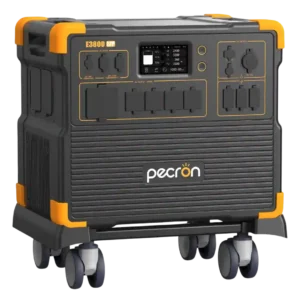
Testing and owner reports show confident operation with appliances, pumps, tools, RV loads, and mixed devices, with limits mainly when multiple large startup loads coincide.
Pros: surge capacity, output stability
Cons: app connectivity, idle noise
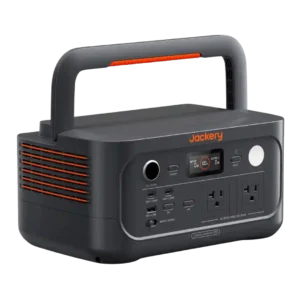
Within its intended range, load handling is strong; small household devices run comfortably, and one test even powered a 600W drill briefly.
Pros: output stability, pure sine wave output
Cons: remaining runtime estimate, Bluetooth connectivity
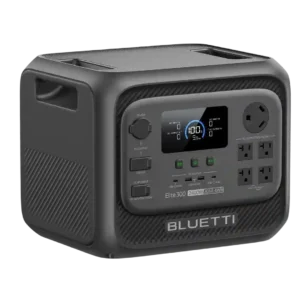
Most real-world loads ran smoothly, including appliances, computers, RV systems, and workshop tools. A minority of extreme sustained tests exposed shutdowns or limits near maximum output.
Pros: surge capacity, voltage regulation
Cons: water resistance, ventilation requirements
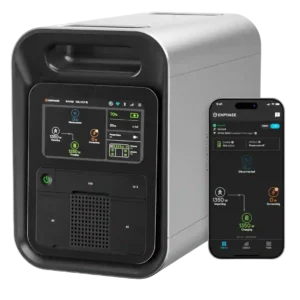
The station handles its rated output well and can start surprisingly demanding tools, though overload voltage throttling requires caution with sensitive equipment.
Pros: rated output, output stability
Cons: runtime at full load, RV outlet
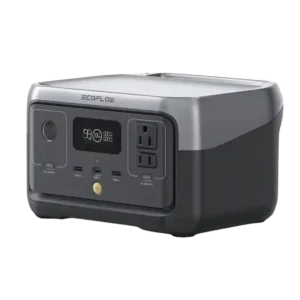
Phones, laptops, routers, fans, lights, coolers, pumps, and other small loads are its sweet spot, with many owners reporting trouble-free operation.
Pros: surge capacity, output stability
Cons: dual-input charging, whole-home integration
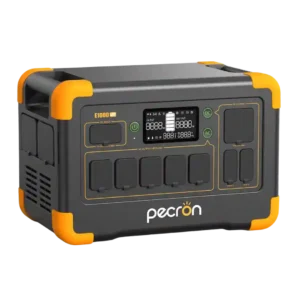
Most units sustained demanding loads at or near the 1,800W rating without trouble, but one sample repeatedly shut down from heat during continuous discharge.
Pros: inverter quality, LiFePO4 battery
Cons: idle noise, built-in light
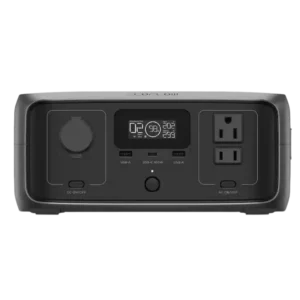
Compatible electronics run smoothly, while high-startup or borderline loads expose the limits quickly.
Pros: noise level, idle noise
Cons: self-discharge rate, air travel suitability
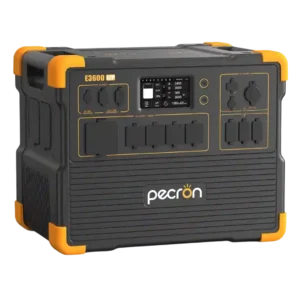
Strong units sustain near-rated loads impressively, but defective samples shut down under modest appliances.
Pros: power output, rated output
Cons: output stability, voltage regulation
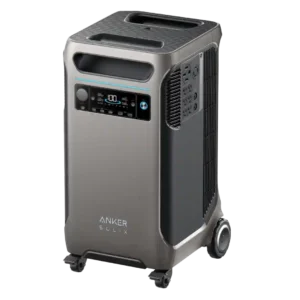
The station handles broad mixed loads well, but a fully loaded kitchen can push it toward shutdown and requires some sequencing.
Pros: rated output, output stability
Cons: car charging speed, USB-A ports
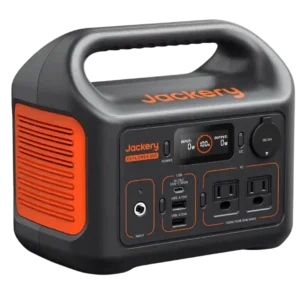
Real-world appliance testing is mixed: some refrigerators or motors run, while other seemingly similar loads trip the unit unexpectedly.
Pros: output stability, voltage regulation
Cons: battery expandability, water resistance
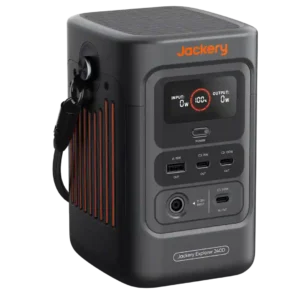
One stress test found thermal shutdown during sustained near-rated output. The unit is better suited to moderate electronics than continuous operation near its ceiling.
Pros: power output, rated output
Cons: AC outlet count, repairability
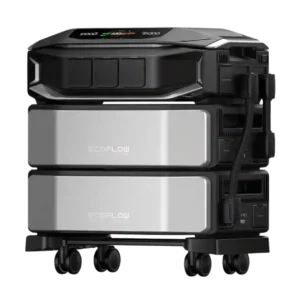
Raw output is excellent, but load balancing is a notable weakness in some testing. An imbalanced 240V leg can trip the inverter sooner than reviewers expect from a residential-scale system.
Pros: output stability, voltage regulation
Cons: solar cable compatibility, UPS functionality