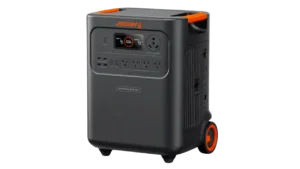
Load handling was excellent across demanding tests, including heaters, tools, kitchen appliances, and other combined loads without nuisance shutdowns.
Pros: output stability, voltage regulation
Cons: DC output, 12-volt outlet

Load handling was excellent across demanding tests, including heaters, tools, kitchen appliances, and other combined loads without nuisance shutdowns.
Pros: output stability, voltage regulation
Cons: DC output, 12-volt outlet
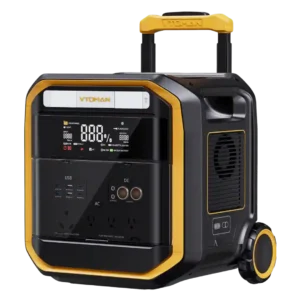
Heavy and mixed loads were handled confidently, including draws that commonly trip smaller power stations.
Pros: power output, surge capacity
Cons: specification accuracy, peak output
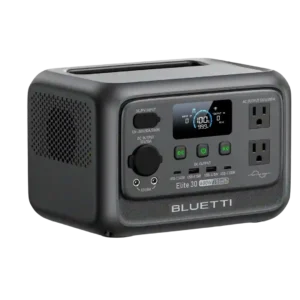
It handles mixed device loads confidently and can even sustain demanding resistive appliances within its limits. Multi-device tests generally finish without protection trips.
Pros: rated output, output stability
Cons: over-voltage protection, cold-weather performance
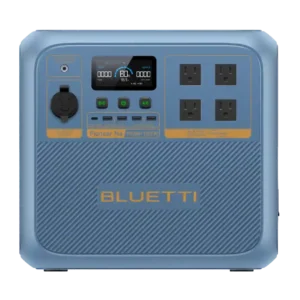
A stress test near the inverter's continuous limit completed without issues, showing strong sustained-load behavior.
Pros: pure sine wave output, startup performance
Cons: MPPT controller performance, battery expandability
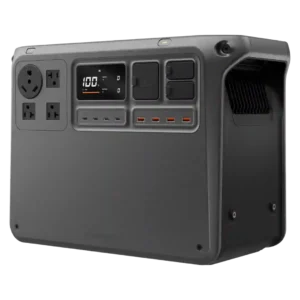
Across appliance, workshop, event, and production tests, the station handled demanding combinations with very few hiccups.
Pros: rated output, peak output
Cons: startup reliability, full-load noise
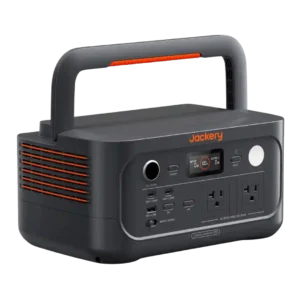
Within its intended range, load handling is strong; small household devices run comfortably, and one test even powered a 600W drill briefly.
Pros: output stability, pure sine wave output
Cons: remaining runtime estimate, Bluetooth connectivity
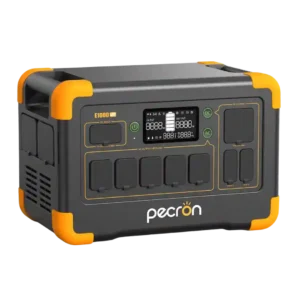
Most units sustained demanding loads at or near the 1,800W rating without trouble, but one sample repeatedly shut down from heat during continuous discharge.
Pros: inverter quality, LiFePO4 battery
Cons: idle noise, built-in light
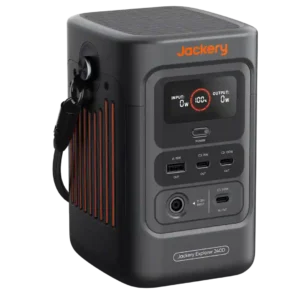
One stress test found thermal shutdown during sustained near-rated output. The unit is better suited to moderate electronics than continuous operation near its ceiling.
Pros: power output, rated output
Cons: AC outlet count, repairability
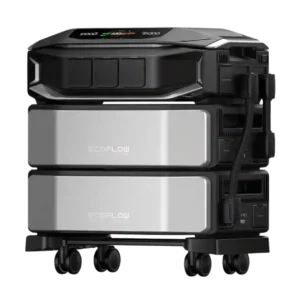
Raw output is excellent, but load balancing is a notable weakness in some testing. An imbalanced 240V leg can trip the inverter sooner than reviewers expect from a residential-scale system.
Pros: output stability, voltage regulation
Cons: solar cable compatibility, UPS functionality