Best for input and output monitoring
Anker Solix C1000
5.0 feature score
Highest scored product for this feature based on supporting review evidence.

Highest scored product for this feature based on supporting review evidence.
Balances feature score, supporting reviews, and overall product strength.
Has the broadest review evidence for this feature.
Strongest overall product among items with scored evidence for this feature.
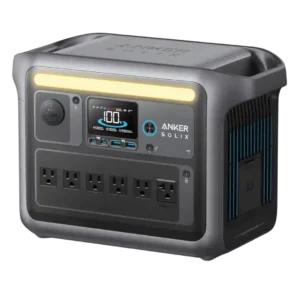
The display and app clearly show battery percentage, incoming watts, outgoing watts, and estimated time remaining. This makes load planning easy.
Pros: power output, rated output
Cons: dual-input charging, cable storage
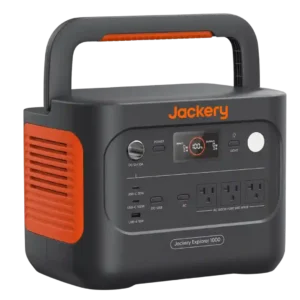
Real-time input, output, percentage, and runtime data make it easy to manage loads directly from the screen or app.
Pros: rated output, peak output
Cons: standby power loss, specification accuracy
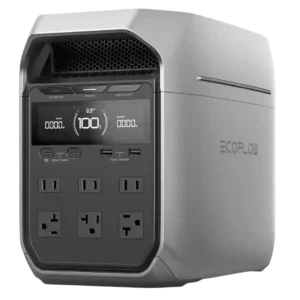
The display and app provide clear live readings for total and per-port power flow.
Pros: rated output, peak output
Cons: 30-amp output, parallel operation support
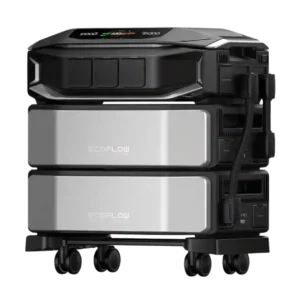
The app and Smart Home Panel provide detailed visibility into incoming solar or grid power, battery charging, output, and per-circuit consumption, which reviewers find valuable for managing backup runtime.
Pros: output stability, voltage regulation
Cons: solar cable compatibility, UPS functionality
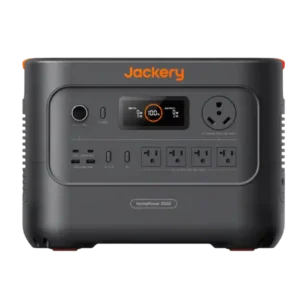
Input and output wattage are presented clearly on both the front display and app.
Pros: power output, rated output
Cons: battery expandability, car charging speed
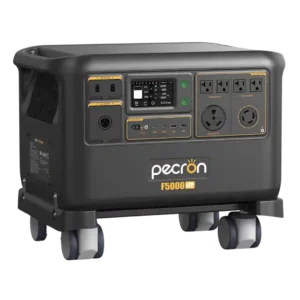
The display provides unusually detailed live monitoring of individual solar inputs, AC/DC flows, battery status, and historical usage. Reviewers repeatedly praise how much operational information is available on-device.
Pros: power output, output stability
Cons: firmware updates, built-in light
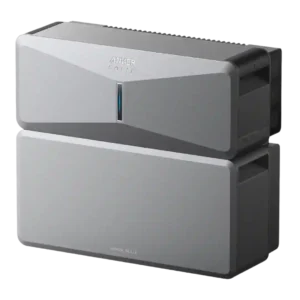
The app presents energy flow and consumption clearly enough that users can understand where power is coming from and where it is going in real time.
Pros: rated output, surge capacity
Cons: outlet selection, AC outlet count
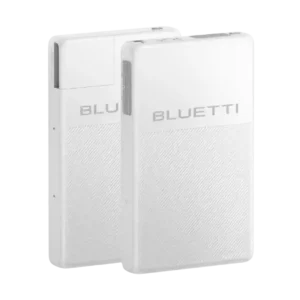
The app presents grid, solar, battery state, AC load, runtime, and outage history in one place. Monitoring is detailed enough for both backup and energy-management use.
Pros: power output, rated output
Cons: USB-A ports, 12-volt outlet
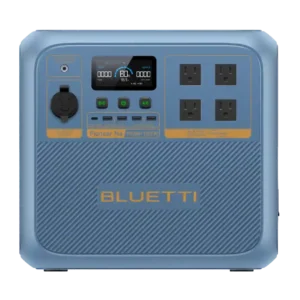
The app provides strong real-time visibility into power flow, making it easy to identify loads and adjust usage.
Pros: pure sine wave output, startup performance
Cons: MPPT controller performance, battery expandability
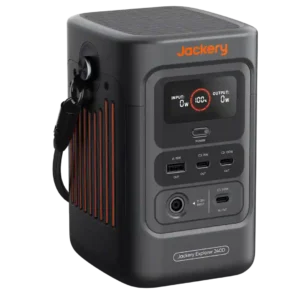
Live input and output wattage is genuinely useful for balancing solar input, device draw, and remaining energy.
Pros: power output, rated output
Cons: AC outlet count, repairability
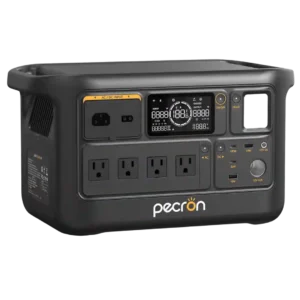
Built-in tracking for incoming and outgoing energy is praised as a valuable way to understand daily usage and solar production.
Pros: rated output, peak output
Cons: startup reliability, whole-home integration
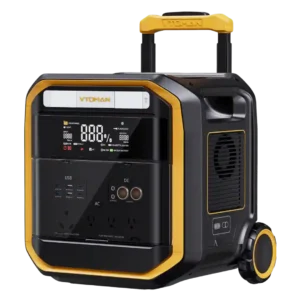
The screen clearly shows remaining charge plus live input and output wattage, making load management simple.
Pros: power output, surge capacity
Cons: specification accuracy, peak output
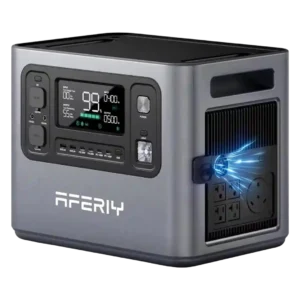
The display and app provide detailed live information on incoming power, outgoing loads, active ports, battery level, and estimated time remaining.
Pros: rated output, peak output
Cons: app connectivity, voltage regulation
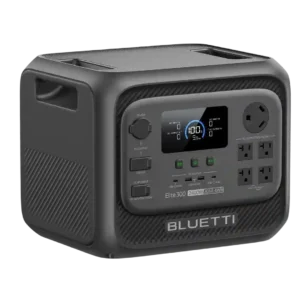
Real-time input and output data makes appliance draw and solar production easy to understand from the app.
Pros: surge capacity, voltage regulation
Cons: water resistance, ventilation requirements
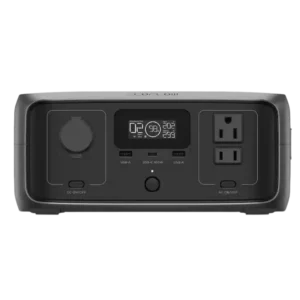
The display and app clearly show incoming power, outgoing load, and battery status.
Pros: noise level, idle noise
Cons: self-discharge rate, air travel suitability
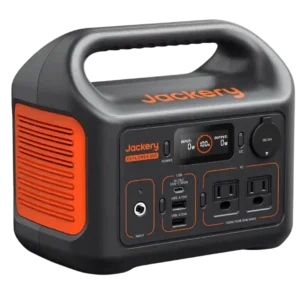
Real-time wattage monitoring is widely useful for managing loads, although a few reviewers noticed brief screen-update lag.
Pros: output stability, voltage regulation
Cons: battery expandability, water resistance
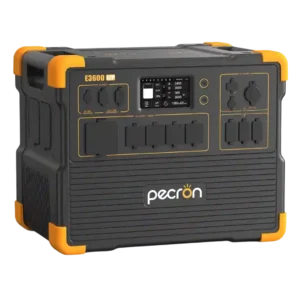
The touchscreen provides detailed battery, input, output, temperature, and runtime data, although one solar reading appeared lower than external measurements.
Pros: power output, rated output
Cons: output stability, voltage regulation
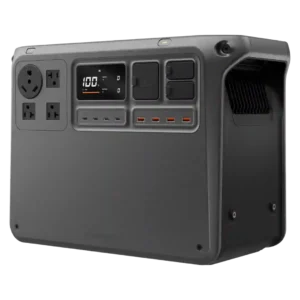
The screen and app clearly show incoming and outgoing wattage for quick load management.
Pros: rated output, peak output
Cons: startup reliability, full-load noise
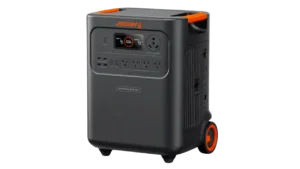
The display and app make input and output power easy to follow in real time.
Pros: output stability, voltage regulation
Cons: DC output, 12-volt outlet
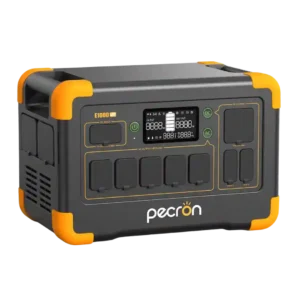
App-based temperature and operating information adds useful visibility beyond the front display.
Pros: inverter quality, LiFePO4 battery
Cons: idle noise, built-in light
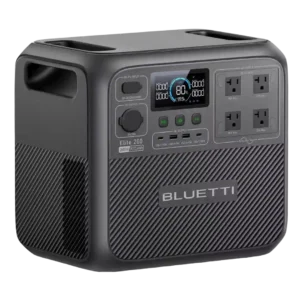
Live input, output, battery, and runtime data are highly useful, although one faulty unit reported incorrect readings.
Pros: output stability, pure sine wave output
Cons: specification accuracy, startup reliability
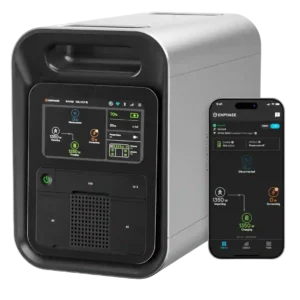
The touchscreen and app clearly show live power flow, charge status, and detailed historical energy use.
Pros: rated output, output stability
Cons: runtime at full load, RV outlet
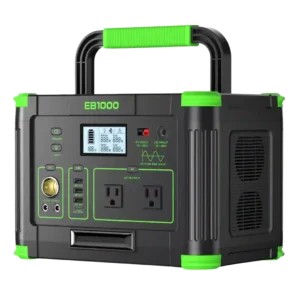
Input and output wattage monitoring is genuinely useful for checking device draw, although one tester found some phone-charging readings inconsistent or missing.
Pros: rated output, output stability
Cons: battery expandability, startup reliability
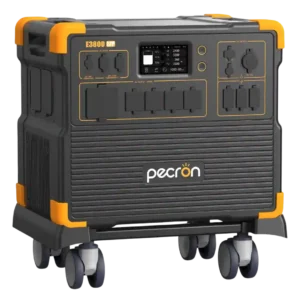
The touchscreen and app expose unusually detailed telemetry, but a few owners report inaccurate wattage readings or awkward presentation.
Pros: surge capacity, output stability
Cons: app connectivity, idle noise
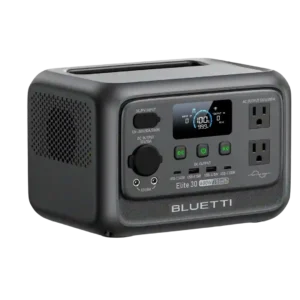
Real-time wattage data is genuinely useful for sizing loads and estimating runtime. One tested unit intermittently showed zero output despite continuing to power devices.
Pros: rated output, output stability
Cons: over-voltage protection, cold-weather performance
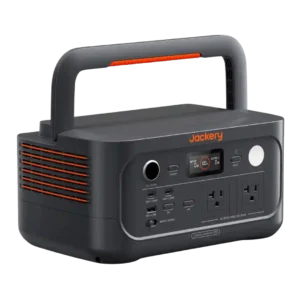
Low-wattage output monitoring is a weakness: the screen can show 0W even while a laptop is charging.
Pros: output stability, pure sine wave output
Cons: remaining runtime estimate, Bluetooth connectivity
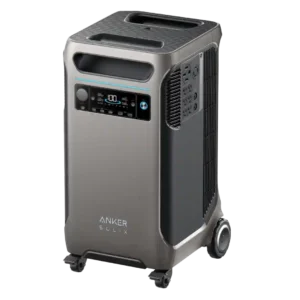
The unit provides basic live wattage, but advanced users want voltage, current, and deeper electrical data.
Pros: rated output, output stability
Cons: car charging speed, USB-A ports
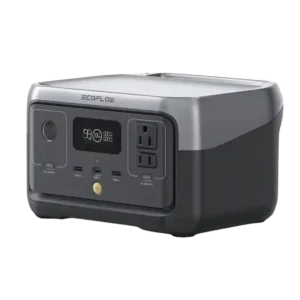
Live wattage information is helpful, but one technical test and one customer reported erratic or only approximate readings.
Pros: surge capacity, output stability
Cons: dual-input charging, whole-home integration