Best for dual-input charging
EcoFlow Delta 3 Plus Review
5.0 feature score
Highest scored product for this feature based on supporting review evidence.

Highest scored product for this feature based on supporting review evidence.
Balances feature score, supporting reviews, and overall product strength.
Has the broadest review evidence for this feature.
Strongest overall product among items with scored evidence for this feature.
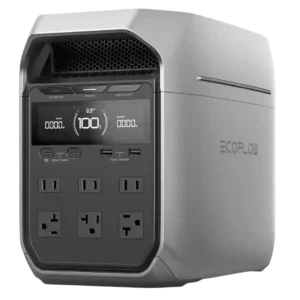
AC and solar can be combined, and the two DC inputs allow flexible mixes of solar, vehicle, or battery sources.
Pros: rated output, peak output
Cons: 30-amp output, parallel operation support
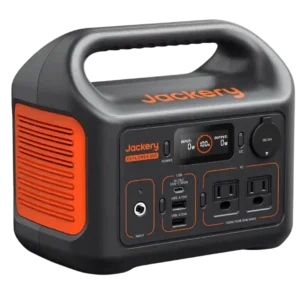
Combining the wall adapter with USB-C is consistently praised, commonly reaching about 80% in around two hours.
Pros: output stability, voltage regulation
Cons: battery expandability, water resistance
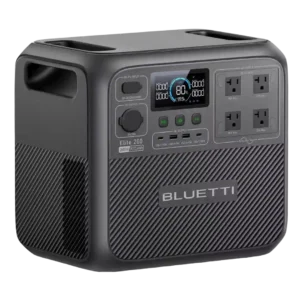
Combining AC and DC sources cuts downtime dramatically and can bring the battery to 80% in under an hour.
Pros: output stability, pure sine wave output
Cons: specification accuracy, startup reliability
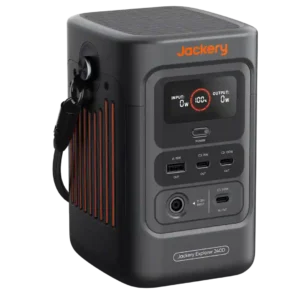
Combining USB-C with the dedicated DC input is a major strength, pushing recharge power close to 200W and reaching about 80% in an hour.
Pros: power output, rated output
Cons: AC outlet count, repairability

Combining power sources is highly useful, cutting full recharge time and giving off-grid users more flexibility when fast turnaround matters.
Pros: output stability, pure sine wave output
Cons: remaining runtime estimate, Bluetooth connectivity
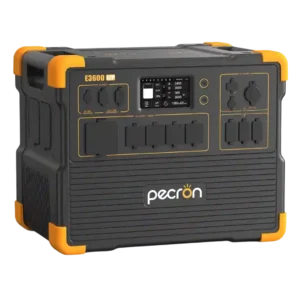
Simultaneous solar and AC charging works well and can push total recharge power to very high levels.
Pros: power output, rated output
Cons: output stability, voltage regulation
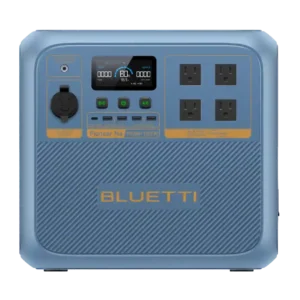
Combining AC and solar is a standout feature, allowing extremely high total input and sub-hour recharging under favorable conditions.
Pros: pure sine wave output, startup performance
Cons: MPPT controller performance, battery expandability

Two solar/DC inputs make it practical to combine panels or charge from separate travel sources for faster recovery.
Pros: rated output, peak output
Cons: standby power loss, specification accuracy
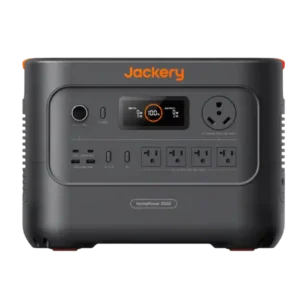
Combining wall and solar input produces the fastest recharge times and is especially useful when charging windows are short.
Pros: power output, rated output
Cons: battery expandability, car charging speed

The station can combine solar with AC or generator charging smoothly, a flexibility testers found especially useful.
Pros: surge capacity, output stability
Cons: app connectivity, idle noise
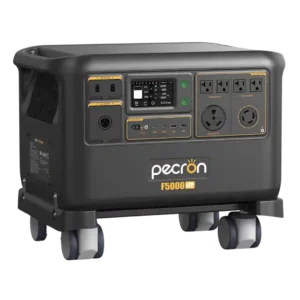
Combining AC and DC/solar charging works well and can materially shorten recharge time. Hands-on tests confirmed simultaneous inputs even with the higher-power 30A AC cable.
Pros: power output, output stability
Cons: firmware updates, built-in light
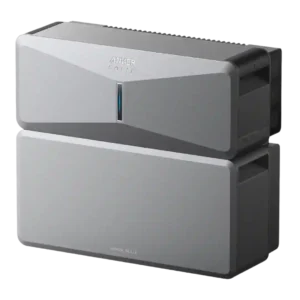
The system can combine charging sources simultaneously, a capability reviewers highlighted as especially useful for keeping large battery banks replenished.
Pros: rated output, surge capacity
Cons: outlet selection, AC outlet count
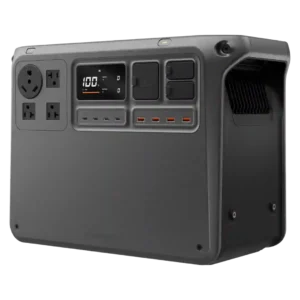
Combining wall power with solar or vehicle input enables exceptionally high total charging rates.
Pros: rated output, peak output
Cons: startup reliability, full-load noise
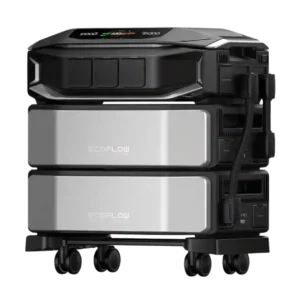
At least one home test successfully charged from generator or solar while the system continued delivering 240V power, showing useful flexibility during extended backup operation.
Pros: output stability, voltage regulation
Cons: solar cable compatibility, UPS functionality
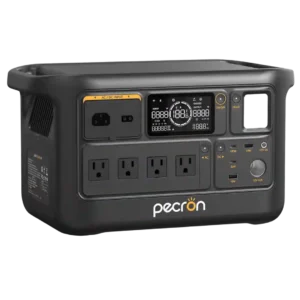
Simultaneous solar and AC charging worked successfully, with the unit prioritizing solar and using grid input to supplement it up to the overall charge limit.
Pros: rated output, peak output
Cons: startup reliability, whole-home integration
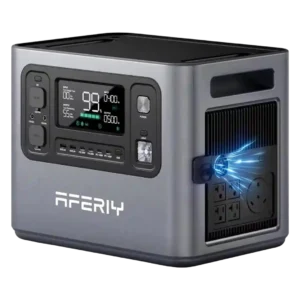
AC and DC or solar charging can operate together, substantially increasing recharge speed. Some tests found the combined input fluctuated rather than remaining perfectly steady.
Pros: rated output, peak output
Cons: app connectivity, voltage regulation
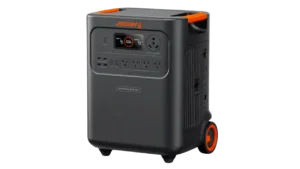
Combining AC and solar input is a strong feature, substantially shortening recovery time when both sources are available.
Pros: output stability, voltage regulation
Cons: DC output, 12-volt outlet
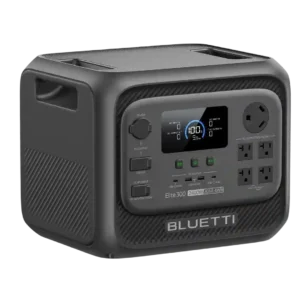
Combining AC with solar, or alternator with solar, can shorten recharge time and makes continuous travel or off-grid use more practical.
Pros: surge capacity, voltage regulation
Cons: water resistance, ventilation requirements

Simultaneous AC and DC charging works well, with the station intelligently giving priority to DC input while filling the remainder from AC.
Pros: inverter quality, LiFePO4 battery
Cons: idle noise, built-in light
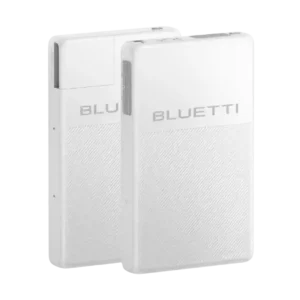
Combined AC and solar charging reached roughly 1.9–2.1kW in tests. It falls a little short of the 2.2kW claim but still enables very fast recovery.
Pros: power output, rated output
Cons: USB-A ports, 12-volt outlet
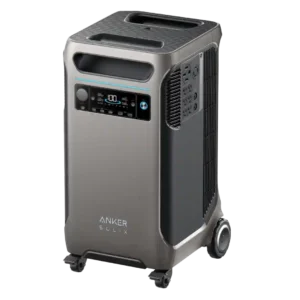
After a firmware update, one owner successfully used AC and DC charging at the same time, adding useful flexibility.
Pros: rated output, output stability
Cons: car charging speed, USB-A ports
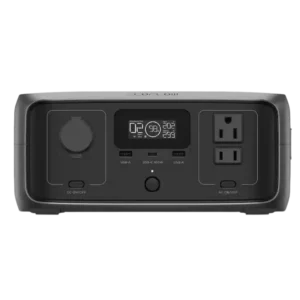
Charging inputs cannot be combined, so there is no simultaneous wall-and-solar or multi-source charging.
Pros: noise level, idle noise
Cons: self-discharge rate, air travel suitability
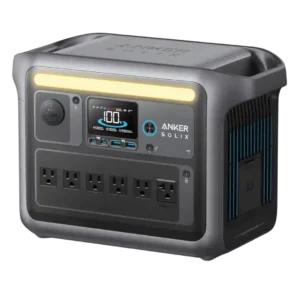
The C1000 does not combine AC and DC input; plugging in AC disables solar or other DC charging. Reviewers repeatedly call this a missed opportunity.
Pros: power output, rated output
Cons: dual-input charging, cable storage
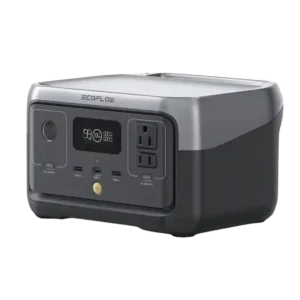
Charging sources cannot be combined; AC, USB-C, and XT60 inputs must be used one at a time.
Pros: surge capacity, output stability
Cons: dual-input charging, whole-home integration