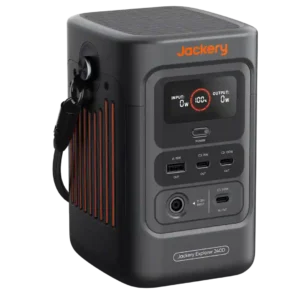
Combining USB-C with the dedicated DC input is a major strength, pushing recharge power close to 200W and reaching about 80% in an hour.
Pros: power output, rated output
Cons: AC outlet count, repairability

Combining USB-C with the dedicated DC input is a major strength, pushing recharge power close to 200W and reaching about 80% in an hour.
Pros: power output, rated output
Cons: AC outlet count, repairability
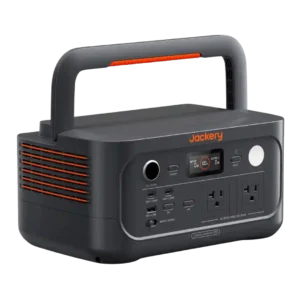
Combining power sources is highly useful, cutting full recharge time and giving off-grid users more flexibility when fast turnaround matters.
Pros: output stability, pure sine wave output
Cons: remaining runtime estimate, Bluetooth connectivity
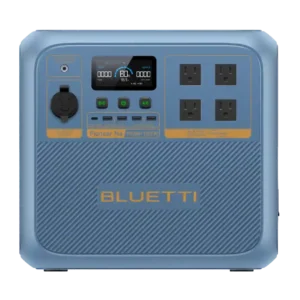
Combining AC and solar is a standout feature, allowing extremely high total input and sub-hour recharging under favorable conditions.
Pros: pure sine wave output, startup performance
Cons: MPPT controller performance, battery expandability
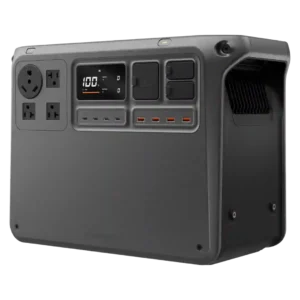
Combining wall power with solar or vehicle input enables exceptionally high total charging rates.
Pros: rated output, peak output
Cons: startup reliability, full-load noise
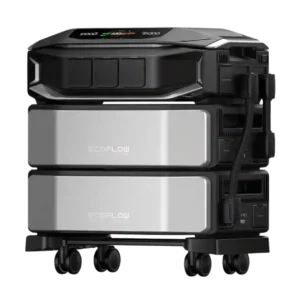
At least one home test successfully charged from generator or solar while the system continued delivering 240V power, showing useful flexibility during extended backup operation.
Pros: output stability, voltage regulation
Cons: solar cable compatibility, UPS functionality
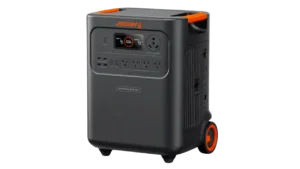
Combining AC and solar input is a strong feature, substantially shortening recovery time when both sources are available.
Pros: output stability, voltage regulation
Cons: DC output, 12-volt outlet

Simultaneous AC and DC charging works well, with the station intelligently giving priority to DC input while filling the remainder from AC.
Pros: inverter quality, LiFePO4 battery
Cons: idle noise, built-in light