Best for cold-weather performance
Pecron F5000LFP
5.0 feature score
Highest scored product for this feature based on supporting review evidence.

Highest scored product for this feature based on supporting review evidence.
Balances feature score, supporting reviews, and overall product strength.
Has the broadest review evidence for this feature.
Strongest overall product among items with scored evidence for this feature.
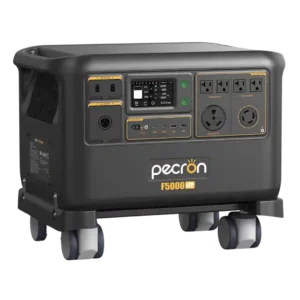
Integrated battery heating is universally praised as a meaningful advantage for winter operation. Reviewers see it as especially useful for garages, cabins, RVs, and off-grid installations exposed to freezing temperatures.
Pros: power output, output stability
Cons: firmware updates, built-in light
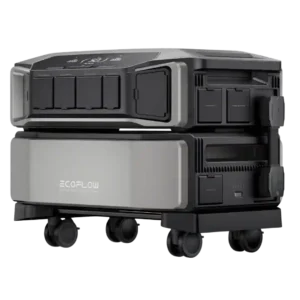
Automatic battery heating is a standout winter feature, allowing charging below freezing and reducing the manual cold-weather management required by some competing systems.
Pros: power quality, simultaneous device support
Cons: battery percentage accuracy, firmware updates
Cold-weather performance was excellent in the strongest field tests, including real winter outages where the unit continued powering critical loads.
Pros: output stability, voltage regulation
Cons: DC output, 12-volt outlet
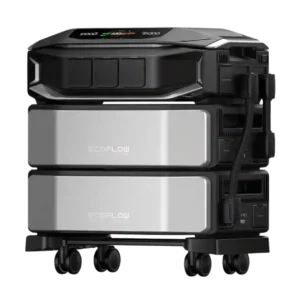
Cold-weather protection earns praise where discussed, including battery self-heating and successful operation during severe winter outage conditions.
Pros: output stability, voltage regulation
Cons: solar cable compatibility, UPS functionality
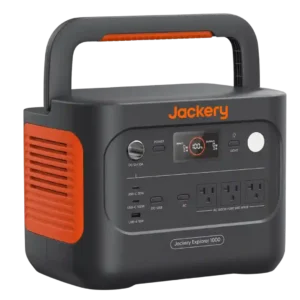
Winter testing found stable output in freezing conditions, although charging improves when the unit is brought above freezing.
Pros: rated output, peak output
Cons: standby power loss, specification accuracy
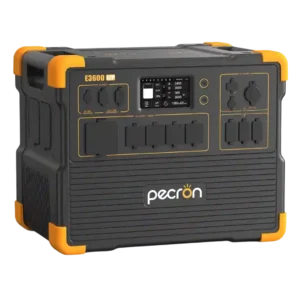
Daily use through heavy storms was dependable, giving one mountain-home owner reliable emergency power.
Pros: power output, rated output
Cons: output stability, voltage regulation
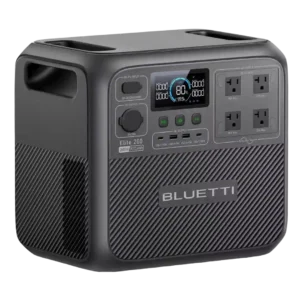
The station continued powering devices reliably below freezing with little apparent capacity loss, making it unusually capable for winter use.
Pros: output stability, pure sine wave output
Cons: specification accuracy, startup reliability
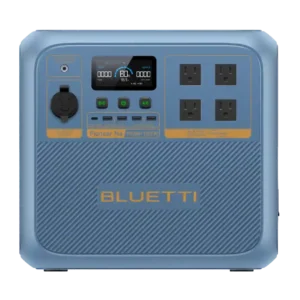
This is the strongest consensus in the entire review set: the Pioneer Na keeps charging and discharging at temperatures that stop many lithium stations. The caveat is substantial throttling and...
Pros: pure sine wave output, startup performance
Cons: MPPT controller performance, battery expandability
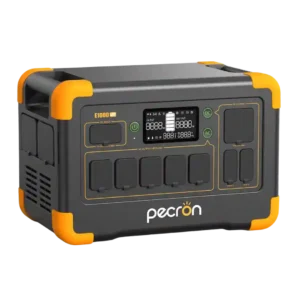
Self-heating is the E1000LFP's signature advantage and repeatedly works well in freezing conditions, but some users dislike that heating requires incoming wall or solar power rather than using stored battery...
Pros: inverter quality, LiFePO4 battery
Cons: idle noise, built-in light
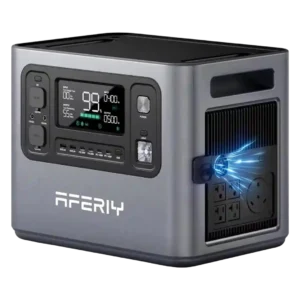
The station operated normally around freezing in one outdoor test, though there was no deeper extreme-cold evaluation.
Pros: rated output, peak output
Cons: app connectivity, voltage regulation
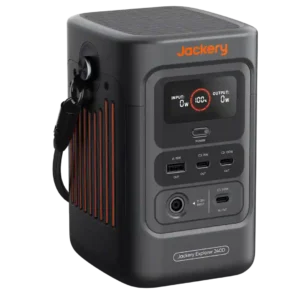
Cold-weather findings are mixed. Some sources expect dependable winter use, while one hands-on test found the LCD sluggish at 5°F.
Pros: power output, rated output
Cons: AC outlet count, repairability
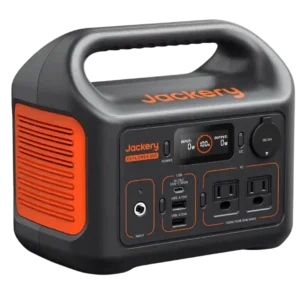
The station continued powering devices below freezing, but cold caused extra drain, slower behavior and stricter charging limits.
Pros: output stability, voltage regulation
Cons: battery expandability, water resistance
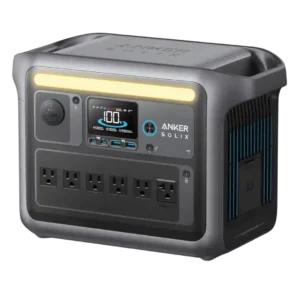
Most outdoor use was trouble-free in chilly conditions, but one owner reported a complete failure to operate around 30°F.
Pros: power output, rated output
Cons: dual-input charging, cable storage
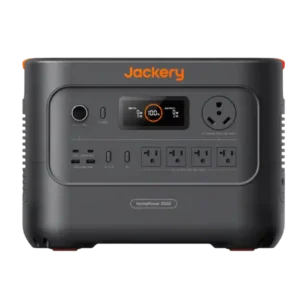
Three-season use should be dependable, but output is expected to fall in very cold conditions.
Pros: power output, rated output
Cons: battery expandability, car charging speed
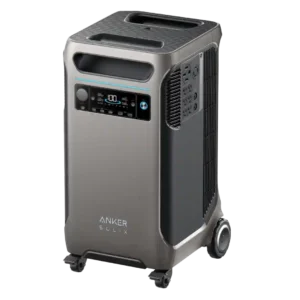
The inverter can deliver strong output in severe cold, but battery charging is heavily restricted until the cells warm. For unheated garages, vans, or winter solar use, this can be...
Pros: rated output, output stability
Cons: car charging speed, USB-A ports
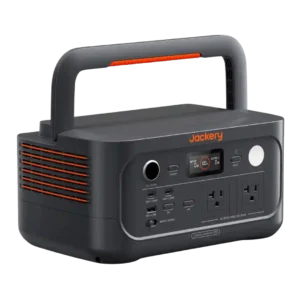
Extreme cold is not the ideal operating environment; one reviewer specifically advised against leaving the unit in freezing conditions.
Pros: output stability, pure sine wave output
Cons: remaining runtime estimate, Bluetooth connectivity
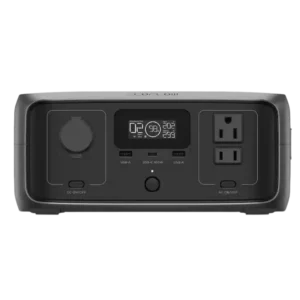
Cold weather can slow charging and reduce LFP performance, so winter users should temper expectations.
Pros: noise level, idle noise
Cons: self-discharge rate, air travel suitability
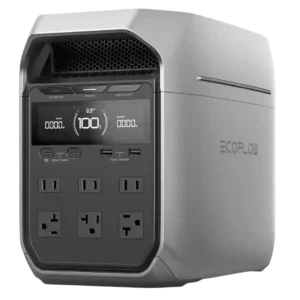
One long-term off-grid user saw poor behavior in winter, while also noting that similar failures occurred in warmer seasons.
Pros: rated output, peak output
Cons: 30-amp output, parallel operation support
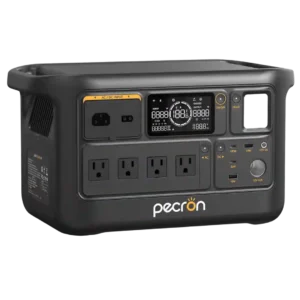
The F1000 lacks the battery heaters found on the E1000, making it a weaker choice for charging and use in below-freezing environments.
Pros: rated output, peak output
Cons: startup reliability, whole-home integration
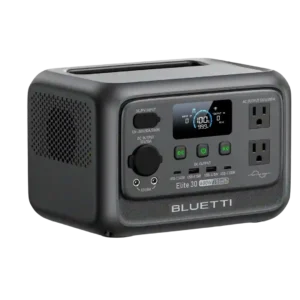
The battery will not accept a charge below freezing. That limitation can undermine outdoor emergency setups in winter, especially sheds or vehicles left in the cold.
Pros: rated output, output stability
Cons: over-voltage protection, cold-weather performance
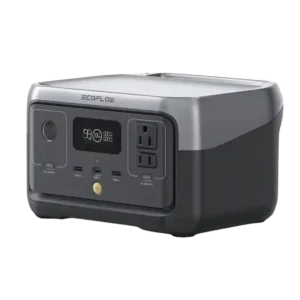
One customer reported very short runtime around 30°F, while broader technical commentary says LFP chemistry itself tolerates cold better than older cells.
Pros: surge capacity, output stability
Cons: dual-input charging, whole-home integration