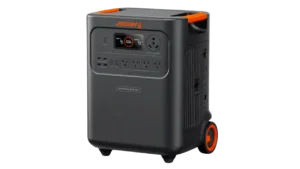
Cold-weather performance was excellent in the strongest field tests, including real winter outages where the unit continued powering critical loads.
Pros: output stability, voltage regulation
Cons: DC output, 12-volt outlet

Cold-weather performance was excellent in the strongest field tests, including real winter outages where the unit continued powering critical loads.
Pros: output stability, voltage regulation
Cons: DC output, 12-volt outlet
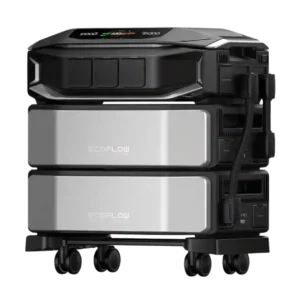
Cold-weather protection earns praise where discussed, including battery self-heating and successful operation during severe winter outage conditions.
Pros: output stability, voltage regulation
Cons: solar cable compatibility, UPS functionality
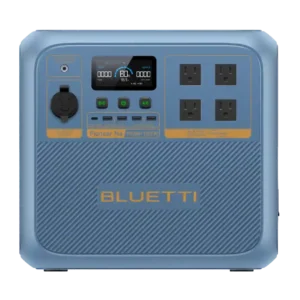
This is the strongest consensus in the entire review set: the Pioneer Na keeps charging and discharging at temperatures that stop many lithium stations. The caveat is substantial throttling and...
Pros: pure sine wave output, startup performance
Cons: MPPT controller performance, battery expandability
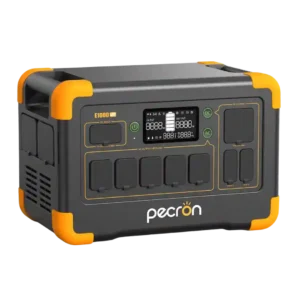
Self-heating is the E1000LFP's signature advantage and repeatedly works well in freezing conditions, but some users dislike that heating requires incoming wall or solar power rather than using stored battery...
Pros: inverter quality, LiFePO4 battery
Cons: idle noise, built-in light
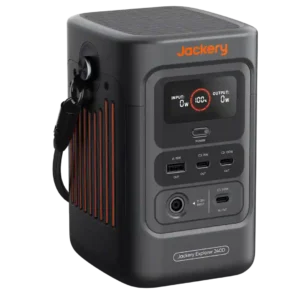
Cold-weather findings are mixed. Some sources expect dependable winter use, while one hands-on test found the LCD sluggish at 5°F.
Pros: power output, rated output
Cons: AC outlet count, repairability
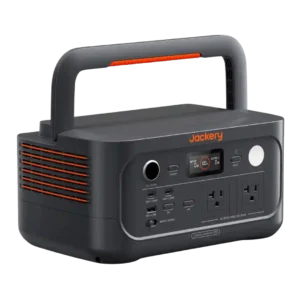
Extreme cold is not the ideal operating environment; one reviewer specifically advised against leaving the unit in freezing conditions.
Pros: output stability, pure sine wave output
Cons: remaining runtime estimate, Bluetooth connectivity
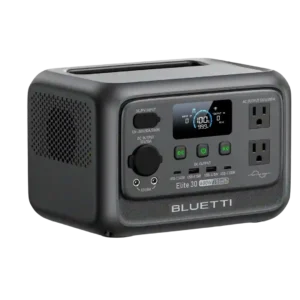
The battery will not accept a charge below freezing. That limitation can undermine outdoor emergency setups in winter, especially sheds or vehicles left in the cold.
Pros: rated output, output stability
Cons: over-voltage protection, cold-weather performance