Best for build quality
Bluetti Elite 200 V2
5.0 feature score
Highest scored product for this feature based on supporting review evidence.

Highest scored product for this feature based on supporting review evidence.
Balances feature score, supporting reviews, and overall product strength.
Has the broadest review evidence for this feature.
Strongest overall product among items with scored evidence for this feature.
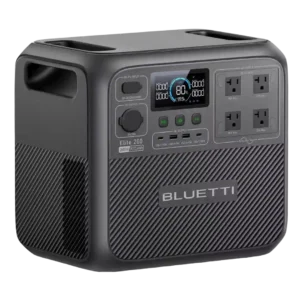
The dense chassis, solid controls, and sturdy handles consistently feel premium and ready for regular transport.
Pros: output stability, pure sine wave output
Cons: specification accuracy, startup reliability
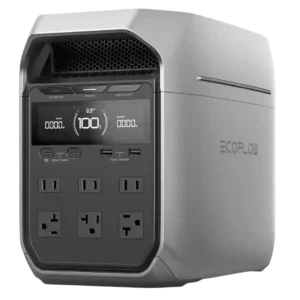
The enclosure feels robust, premium, and well assembled, with many owners praising the sturdy construction.
Pros: rated output, peak output
Cons: 30-amp output, parallel operation support
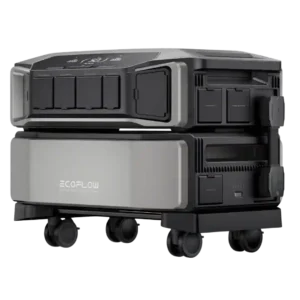
Construction is widely praised as sturdy, robust, and premium, from heavy-gauge housings to polished fit and finish. Even customers comparing it with premium consumer electronics were impressed.
Pros: power quality, simultaneous device support
Cons: battery percentage accuracy, firmware updates
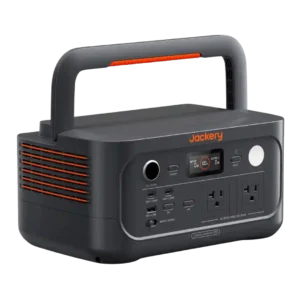
Construction quality is consistently excellent, with reviewers describing the station as well made, premium, and dependable enough for regular camping use.
Pros: output stability, pure sine wave output
Cons: remaining runtime estimate, Bluetooth connectivity
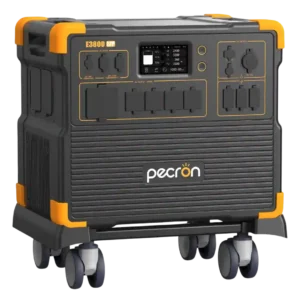
The E3800LFP is described as solid, durable, and utilitarian rather than luxurious, with construction oriented toward practical backup use.
Pros: surge capacity, output stability
Cons: app connectivity, idle noise
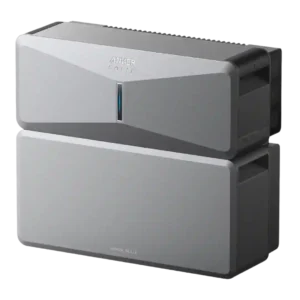
The main enclosures and base hardware earn strong marks for solidity, weather-ready construction, and a premium physical feel.
Pros: rated output, surge capacity
Cons: outlet selection, AC outlet count
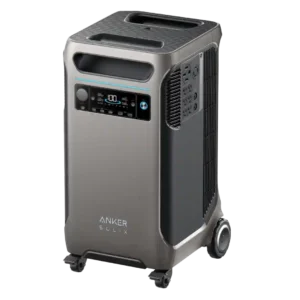
The unit is widely described as solid, robust, and impressively made, with strong first impressions even among demanding users.
Pros: rated output, output stability
Cons: car charging speed, USB-A ports
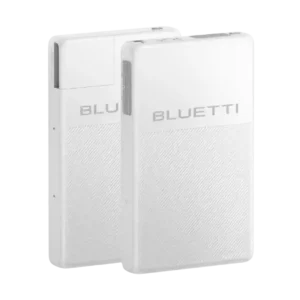
Fit, finish, rounded edges, and normal indoor workmanship were praised. This positive impression applies more to careful fixed installation than drop resistance.
Pros: power output, rated output
Cons: USB-A ports, 12-volt outlet
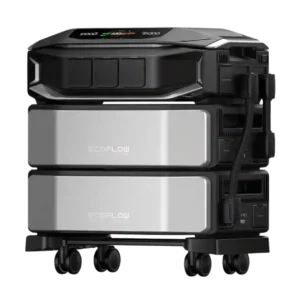
Build quality receives strong praise in hands-on coverage, with one reviewer placing the system's overall quality among the best options they had evaluated.
Pros: output stability, voltage regulation
Cons: solar cable compatibility, UPS functionality
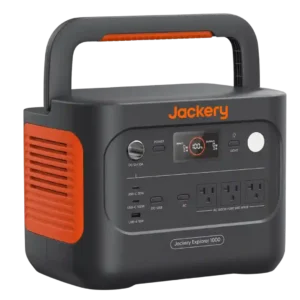
The enclosure, controls, and internal construction feel solid and well finished, reinforcing the product’s reputation for rugged portable use.
Pros: rated output, peak output
Cons: standby power loss, specification accuracy
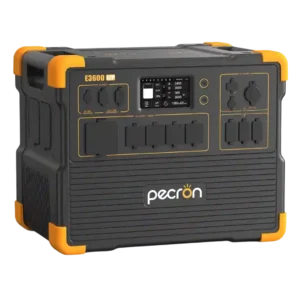
The main unit is repeatedly described as sturdy, beefy, and well made, with construction that feels built for demanding use.
Pros: power output, rated output
Cons: output stability, voltage regulation
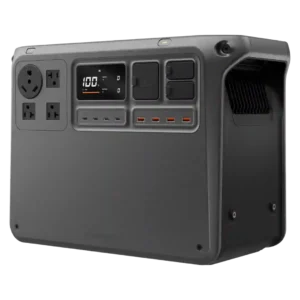
Construction feels premium, solid, and carefully engineered across nearly every hands-on assessment.
Pros: rated output, peak output
Cons: startup reliability, full-load noise
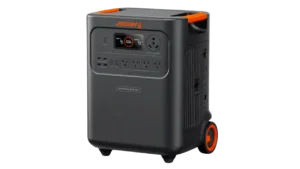
Build quality drew strong praise for a solid, rugged chassis and a well-assembled feel.
Pros: output stability, voltage regulation
Cons: DC output, 12-volt outlet
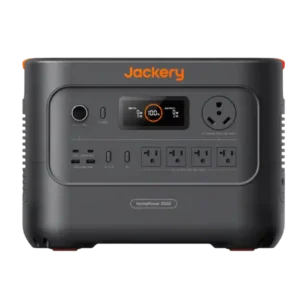
Construction feels solid and robust, with the cell-to-body structure adding strength while reducing bulk.
Pros: power output, rated output
Cons: battery expandability, car charging speed
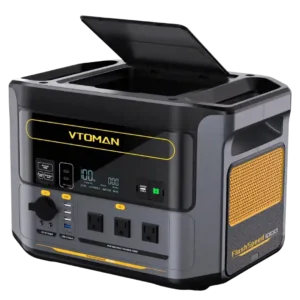
The casing, handles, and flat top feel rugged and work-ready; reviewers repeatedly describe the unit as sturdy, robust, and able to take ordinary knocks.
Pros: inverter quality, power quality
Cons: Wi-Fi connectivity, weather resistance
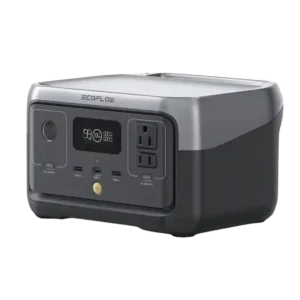
The shell, controls, feet, and ports generally feel robust and premium, despite isolated defective units and a few internal-finish criticisms.
Pros: surge capacity, output stability
Cons: dual-input charging, whole-home integration
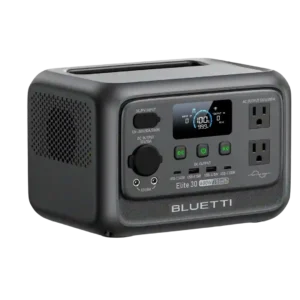
The enclosure feels solid, sturdy, and more professional than a basic camping battery. Even at under ten pounds, it rarely feels flimsy.
Pros: rated output, output stability
Cons: over-voltage protection, cold-weather performance
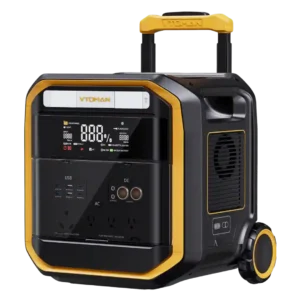
Construction feels strong and purposeful, with sturdy fixed handles, a well-built chassis, and components that appear ready for demanding use.
Pros: power output, surge capacity
Cons: specification accuracy, peak output
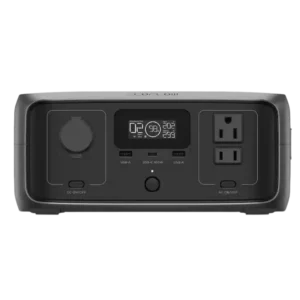
The casing, controls, and overall assembly usually feel solid, sturdy, and premium for the price.
Pros: noise level, idle noise
Cons: self-discharge rate, air travel suitability
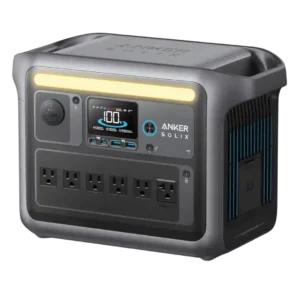
The case, handles, buttons, and internal structure feel solid and durable. Even though much of the housing is plastic, reviewers rarely describe it as flimsy.
Pros: power output, rated output
Cons: dual-input charging, cable storage
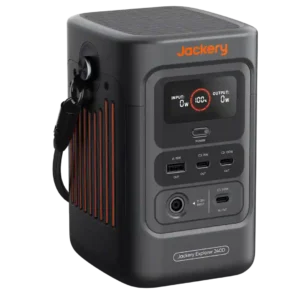
The chassis, handle mounts, and braided cable generally feel sturdy and practical. Hands-on tests describe secure connections and typical Jackery solidity.
Pros: power output, rated output
Cons: AC outlet count, repairability
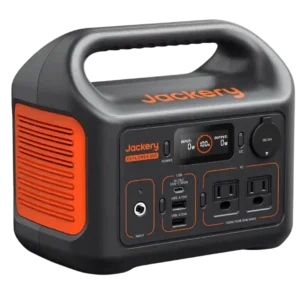
Most reviewers describe the Explorer 300 as solid, well made and sturdy, though one direct comparison found its plastic construction much less premium than Anker’s.
Pros: output stability, voltage regulation
Cons: battery expandability, water resistance
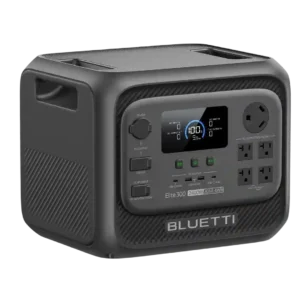
The reinforced housing, protected edges, sturdy handles, and solid feel inspire confidence for repeated transport between vans, campsites, workshops, and garages.
Pros: surge capacity, voltage regulation
Cons: water resistance, ventilation requirements
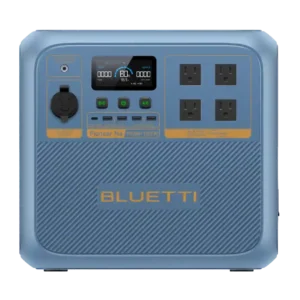
Most reviewers describe the chassis, controls, and internal construction as solid or premium. That positive impression is separate from the much weaker drop-test results for the exterior shell.
Pros: pure sine wave output, startup performance
Cons: MPPT controller performance, battery expandability
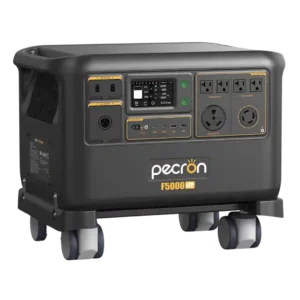
Most reviewers describe the chassis as solid, rugged, or premium for the price. One owner questioned overall quality after receiving incorrect trolley hardware, so confidence is high but not spotless.
Pros: power output, output stability
Cons: firmware updates, built-in light
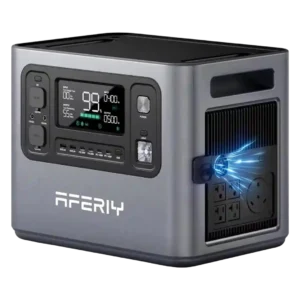
The hardware generally feels solid, sturdy, and well assembled for the price. It lacks some of the refinement and premium materials found on established-brand competitors.
Pros: rated output, peak output
Cons: app connectivity, voltage regulation
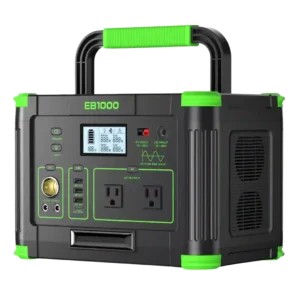
The casing generally feels solid and jobsite-ready, with tough plastic and rubber corners. A small number of owners reported loose labels or detached bumpers very early.
Pros: rated output, output stability
Cons: battery expandability, startup reliability
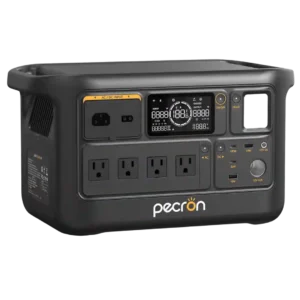
The F1000 is described as well built and slightly above average for its class, reinforcing the impression that the low price does not automatically mean cheap construction.
Pros: rated output, peak output
Cons: startup reliability, whole-home integration
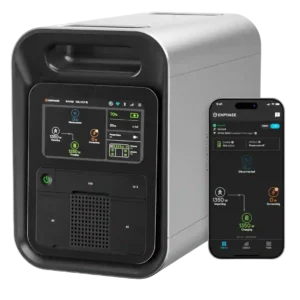
Construction impressions are sharply split. Some call it professional-grade and exceptionally engineered, while others criticize thin, flexible side plastics that may not survive a fall.
Pros: rated output, output stability
Cons: runtime at full load, RV outlet
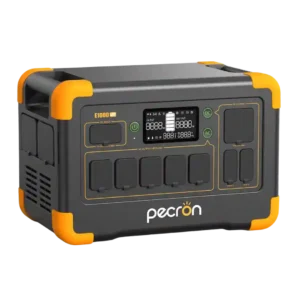
Construction impressions are mixed: some units feel solid and substantial, while another lost a bumper foot despite careful handling and raised durability concerns.
Pros: inverter quality, LiFePO4 battery
Cons: idle noise, built-in light