#1
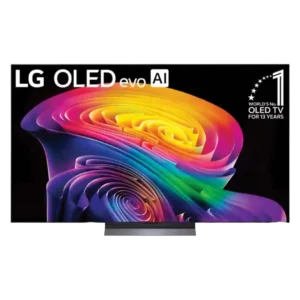
HDR is a major strength, combining bright highlights, deep blacks, strong color, and confident tone mapping. The experience is especially impressive in dark or controlled-light rooms.
Pros: picture quality, gaming performance
Cons: value for money, sound quality
#2
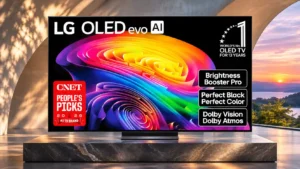
HDR movies and games benefit from intense specular highlights, perfect blacks and excellent range, although the brightest small highlights can exceed the intended tone curve.
Pros: gaming performance, HDR brightness
Cons: reflection handling, glare resistance
#3
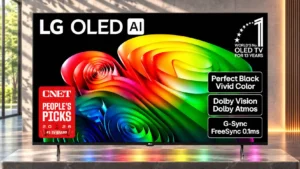
Dolby Vision films and games look vivid with bright highlights and impressive shadow contrast. Heavy glare or inaccurate colors can reduce the effect.
Pros: value for money, peak brightness
Cons: color accuracy, stand quality
#4
The combination of bright highlights, deep blacks, broad color, and fine detail creates spectacular HDR. Firmware and Dolby Vision inconsistencies prevent completely uniform results.
Pros: picture quality, peak brightness
Cons: value for money, sound quality
#5
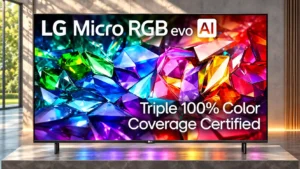
HDR is spectacularly bright and colorful, but a few scenes need careful tuning and measured accuracy falls short of its visual punch.
Pros: peak brightness, picture quality
Cons: value for money, viewing angles
#6

Strong contrast and colorful highlights make HDR enjoyable, although peak and full-screen brightness leave room for improvement.
Pros: contrast ratio, black levels
Cons: reflection handling, color accuracy
#7
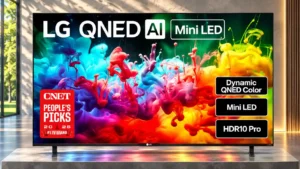
HDR content lacks the punch and contrast expected from the format, though some viewers notice a slight improvement over SDR in controlled lighting.
Pros: picture quality, color accuracy
Cons: remote control quality, black levels
#8

HDR generally looks muted rather than spectacular. Limited brightness and contrast prevent bright scenes from popping even when tone mapping is adjusted.
Pros: design and appearance, maximum volume
Cons: picture quality, value for money
