
The tandem OLED brightness makes daytime TV more practical than on older C-series sets, provided direct window reflections are controlled.
Pros: gaming performance, HDR brightness
Cons: reflection handling, glare resistance

The tandem OLED brightness makes daytime TV more practical than on older C-series sets, provided direct window reflections are controlled.
Pros: gaming performance, HDR brightness
Cons: reflection handling, glare resistance

High full-screen brightness and excellent anti-reflection treatment make this one of the strongest OLEDs for bright living rooms without sacrificing deep blacks.
Pros: picture quality, peak brightness
Cons: value for money, sound quality

Immense brightness keeps images vivid in rooms with large windows, although the glossy surface can reflect lights and nearby objects.
Pros: peak brightness, picture quality
Cons: value for money, viewing angles
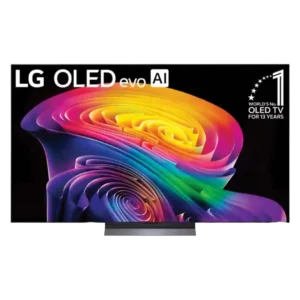
The brighter panel makes ordinary daytime viewing practical, but direct light and dark scenes can still be difficult because of reflections.
Pros: picture quality, gaming performance
Cons: value for money, sound quality

Extra brightness helps with daylight viewing, but mirror-like reflections may still overwhelm the picture. Brighter presets can help somewhat.
Pros: value for money, peak brightness
Cons: color accuracy, stand quality

Reasonable ambient light is manageable, but bright windows can wash out the experience and make the screen mirror its surroundings.
Pros: contrast ratio, black levels
Cons: reflection handling, color accuracy

Daylight exposes its limited brightness, especially near sunny windows. Reflections stay unobtrusive, but the picture itself can still look subdued.
Pros: design and appearance, maximum volume
Cons: picture quality, value for money

The TV struggles against daylight and nearby lamps because its screen output is low and direct reflections remain distracting.
Pros: picture quality, color accuracy
Cons: remote control quality, black levels