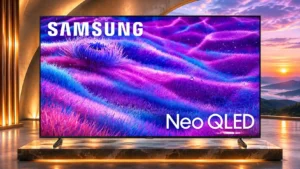
Overall: 3.8/5
The 144Hz panel supports smooth high-refresh gaming and is a clear advantage over conventional 60Hz televisions.
Pros: overall satisfaction, picture quality
Cons: value for money, local dimming performance

Overall: 3.8/5
The 144Hz panel supports smooth high-refresh gaming and is a clear advantage over conventional 60Hz televisions.
Pros: overall satisfaction, picture quality
Cons: value for money, local dimming performance

Overall: 4.0/5
A maximum 165Hz is attractive for high-end PC gaming, with 120Hz support covering modern consoles.
Pros: reflection handling, overall satisfaction
Cons: Dolby Vision support, bass performance
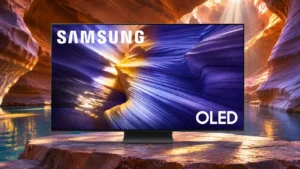
Overall: 3.9/5
A 144 Hz ceiling is excellent for a television, albeit lower than some 165 Hz flagship rivals.
Pros: value for money, overall satisfaction
Cons: Dolby Vision support, sound quality

Overall: 4.2/5
A high 4K refresh ceiling adds fluidity for capable gaming PCs, while 8K input is limited to 60Hz.
Pros: high-refresh-rate gaming, gaming performance
Cons: value for money, bass performance

Overall: 3.9/5
A 120Hz ceiling represents a welcome jump from 60Hz sets while falling short of the faster refresh options now available.
Pros: color volume, black levels
Cons: Inconsistent panel and coating by size, sound quality
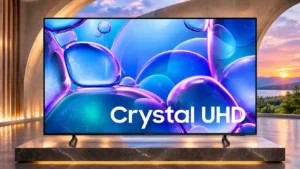
Overall: 3.0/5
The 60Hz ceiling rules out 120Hz play at either 4K or lower resolutions. It handles ordinary sources, but smooth high-frame-rate action needs a faster TV.
Pros: picture quality, smart TV platform
Cons: value for money, refresh rate
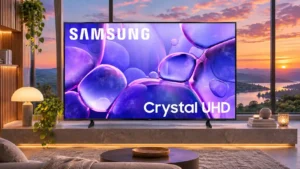
Overall: 3.3/5
The native 60Hz ceiling is a firm limitation for high-frame-rate console and PC play; ordinary 60fps games remain usable.
Pros: color accuracy, upscaling quality
Cons: picture quality, sound quality
Overall: 3.0/5
A 60Hz panel is sufficient for simple television viewing but a disappointment for owners expecting 120Hz gaming from a QLED model.
Pros: color gamut, smart TV platform
Cons: value for money, overall satisfaction