
Sleep tracking earns strong marks overall, especially for wake/sleep timing and presentation, though one reviewer wanted more refinement in stages.
Pros: battery life, GPS accuracy
Cons: onboard music storage, mapping and navigation

Sleep tracking earns strong marks overall, especially for wake/sleep timing and presentation, though one reviewer wanted more refinement in stages.
Pros: battery life, GPS accuracy
Cons: onboard music storage, mapping and navigation
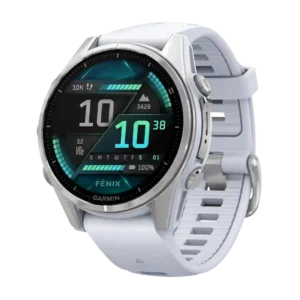
Sleep tracking was positively judged for accurately capturing sleep and wake times and matching day-to-day energy impressions.
Pros: battery life, GPS accuracy
Cons: value for money, call handling
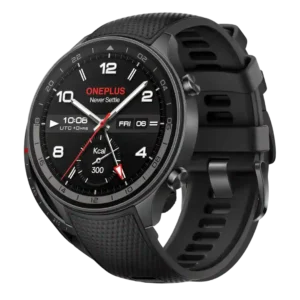
Sleep tracking was consistently viewed as solid, with duration, stages, and sleep insights generally aligning with comparison devices.
Pros: battery life, value for money
Cons: companion app quality, charging convenience
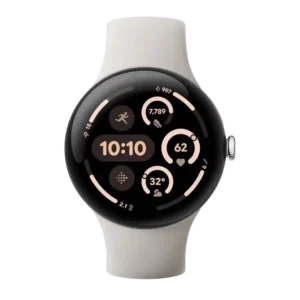
Sleep tracking was generally viewed as solid or very good, especially for basic timing and Fitbit sleep insights, though a few reviewers found it adequate rather than deeply insightful.
Pros: battery life, display quality
Cons: GPS accuracy, charging convenience
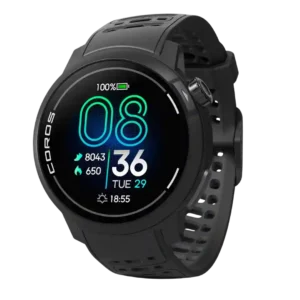
Sleep tracking evidence was mostly positive for sleep/wake timing or perceived sleep scores, though one reviewer found it did not always match Whoop.
Pros: battery life, GPS accuracy
Cons: heart rate accuracy, smartwatch features
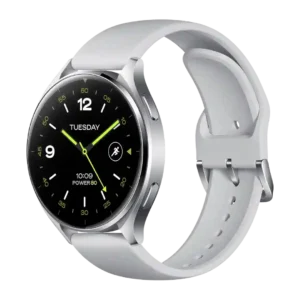
Sleep tracking was generally one of the better health features, with several reviewers saying it was detailed or matched their experience, though one noted it was not perfectly precise.
Pros: value for money, smartphone notifications
Cons: battery life, operating system experience
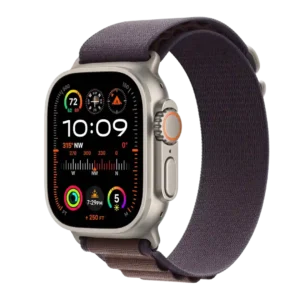
Sleep tracking was generally seen as accurate for sleep/wake timing and duration, though some reviewers still wanted richer guidance from the data.
Pros: battery life, voice assistant quality
Cons: value for money, mapping and navigation
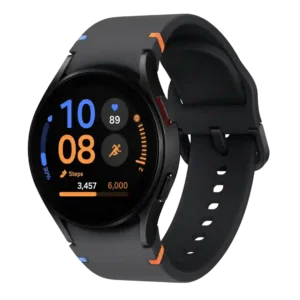
Sleep tracking drew mostly positive evidence, with charts or scores matching reviewer experience, though one reviewer noted it was not perfect.
Pros: smartwatch features, health tracking accuracy
Cons: value for money, software smoothness
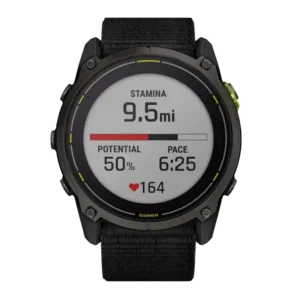
Sleep tracking was described as solid, though comfort and size may limit how many users want to wear it overnight.
Pros: battery life, value for money
Cons: smartwatch features, size options
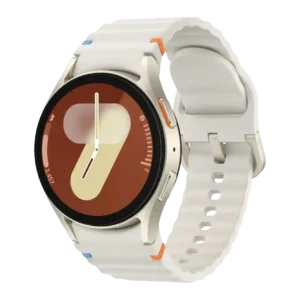
Sleep tracking is one of the strongest areas, with many reviewers praising depth and usefulness, though some saw low, generous, or suddenly changing sleep scores.
Pros: value for money, wellness insights
Cons: battery life, cross-platform compatibility
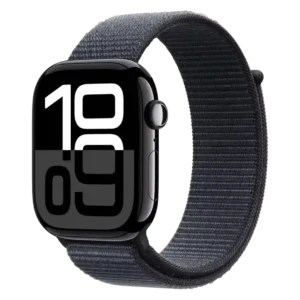
Sleep duration tracking was generally trusted, with reviewers finding timing or duration usable; caveats centered on limited sleep-stage confidence and weak actionability.
Pros: charging speed, display quality
Cons: battery life, water resistance
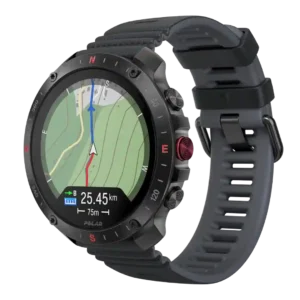
Sleep timing was usually praised, while sleep-stage precision and occasional missing/broken sleep metrics limited confidence.
Pros: GPS accuracy, mapping and navigation
Cons: value for money, companion app quality
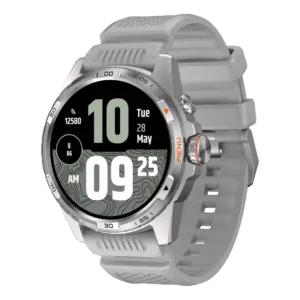
Sleep tracking is mixed: some reviewers found it accurate or aligned with other devices, while others saw wake time counted as sleep.
Pros: battery life, display quality
Cons: operating system experience, voice assistant quality
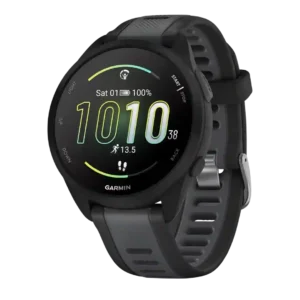
Sleep tracking was mostly viewed as useful and directionally accurate, though one reviewer reported a poor night that the watch missed.
Pros: value for money, GPS accuracy
Cons: recovery insights, onboard music storage
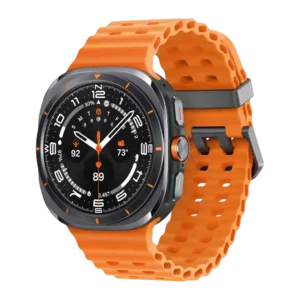
Sleep tracking accuracy was mixed: some reviewers found sleep timing and stages accurate, while others saw gaps, inflated scores, or difficulty distinguishing waking from stillness.
Pros: battery life, sleep tracking accuracy
Cons: wellness insights, style and design
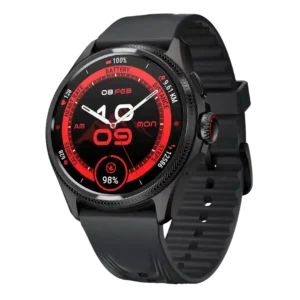
Sleep tracking was sharply mixed, with some accurate nights and useful phase data but also severe underestimates and missed naps.
Pros: battery life, value for money
Cons: operating system experience, voice assistant quality
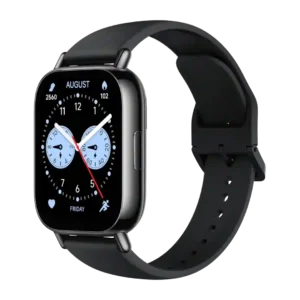
Sleep tracking drew the widest split: some reviews praised it as accurate or good, while others said wake periods and deep sleep were misread or not very useful.
Pros: display quality, battery life
Cons: sleep tracking accuracy, voice assistant quality
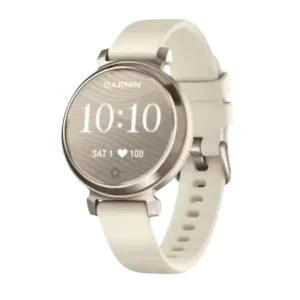
Sleep tracking is mixed: some reviewers found it aligned well, while others saw inaccurate sleep duration or not enough detail.
Pros: battery life, style and design
Cons: sleep tracking accuracy, workout tracking variety
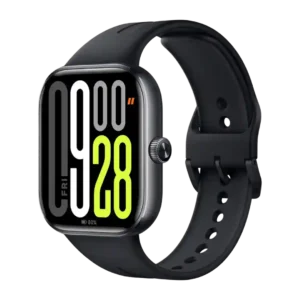
Sleep tracking accuracy is mixed: some reviewers found it close for sleep duration, while others saw inconsistent sleep stages and overestimated deep sleep.
Pros: battery life, display quality
Cons: smartphone notifications, sleep tracking accuracy
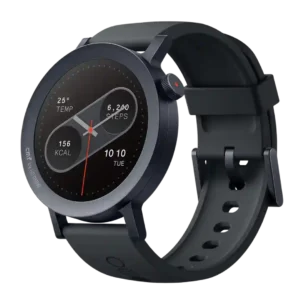
Sleep tracking split sharply, ranging from reasonably accurate sleep and wake times to unreliable stages, missed awake periods, and reviewers unwilling to trust it.
Pros: value for money, battery life
Cons: GPS accuracy, sleep tracking accuracy
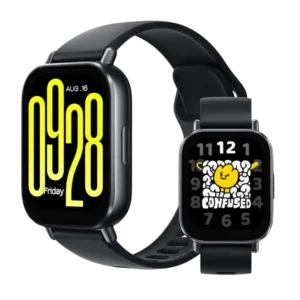
Sleep tracking was split: one reviewer found accuracy good with nap detection, while others called the analysis basic or only average.
Pros: call handling, smartwatch features
Cons: display quality, value for money
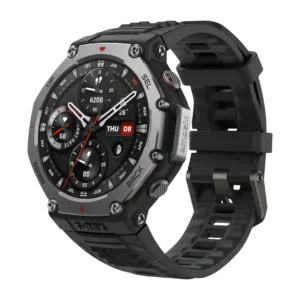
Sleep tracking was mixed: total sleep timing often worked, but several reviewers reported bugs or weak sleep-stage/readiness algorithms.
Pros: value for money, mapping and navigation
Cons: heart rate accuracy, recovery insights
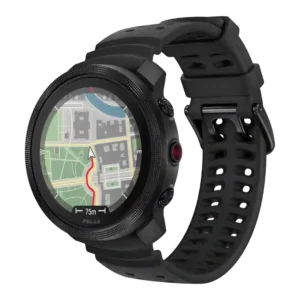
Sleep and recovery context is praised in some Polar features, but sleep-stage and interrupted-sleep detection draw clear accuracy concerns.
Pros: value for money, GPS accuracy
Cons: heart rate accuracy, companion app quality
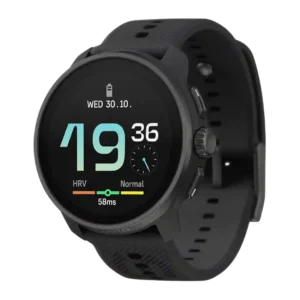
Sleep tracking drew mostly negative or cautious evidence, with reviewers reporting underreported sleep, inaccurate stages, or a lack of confidence in the data.
Pros: value for money, battery life
Cons: heart rate accuracy, onboard music storage