#1
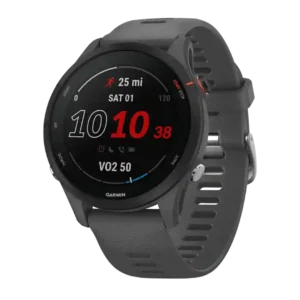
Heart-rate accuracy drew broad praise across runs, rides, and workouts, with reviewers often finding it close to chest straps while still noting optical-sensor caveats.
Pros: GPS accuracy, battery life
Cons: smartphone notifications, mapping and navigation
#2
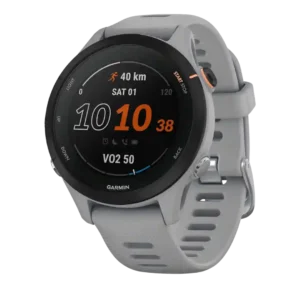
Reviewers generally found heart-rate tracking strong for a wrist device, with several comparisons to straps or other watches; caveats centered on optical sensors and fast HIIT-style changes.
Pros: value for money, battery life
Cons: menu navigation, user interface
#3
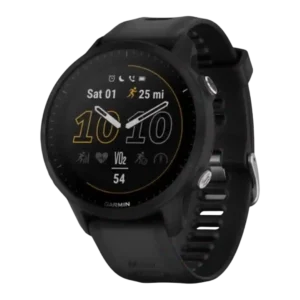
Heart rate accuracy drew mostly positive evidence, especially for running and intervals, with some caveats for high-intensity or strength-style wrist strain.
Pros: GPS accuracy, battery life
Cons: onboard music storage, charging convenience
#4
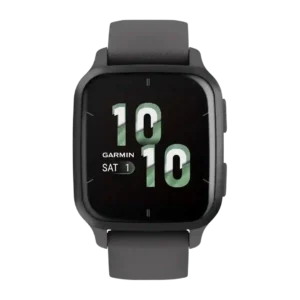
Heart-rate accuracy drew strong agreement, with many reviewers saying it closely matched chest straps or competing premium watches, while a few saw lag or high maximum readings.
Pros: battery life, display quality
Cons: smartwatch features, style and design
#5
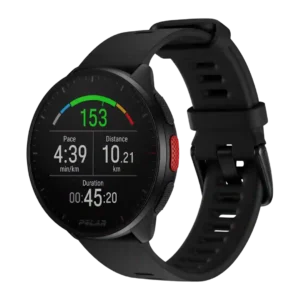
Heart-rate accuracy is one of the stronger areas overall, with several reviewers praising reliable or excellent wrist data, though two noted spikes or weaker readings during testing.
Pros: value for money, workout tracking variety
Cons: GPS accuracy, mapping and navigation
#6
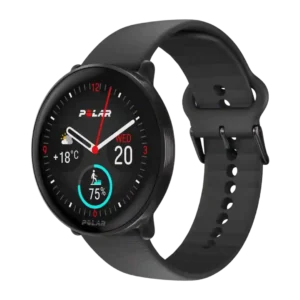
Heart-rate accuracy was mostly praised, with many reviewers saying it tracked well against straps, though a few reported mixed or questionable readings.
Pros: display quality, coaching features
Cons: value for money, battery life
#7
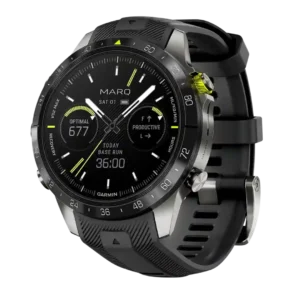
Heart-rate evidence was mostly positive for steady workouts and general use, with caveats around wrist-based lag, cycling strain, and short intervals.
Pros: display quality, battery life
Cons: value for money, smartphone notifications
#8
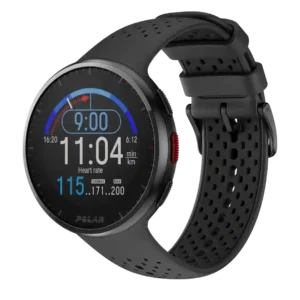
Heart-rate results were mostly good for steady running and several reviewers saw close agreement with straps or other watches, but high-intensity sessions and cycling produced spikes, lag, or weaker results.
Pros: GPS accuracy, value for money
Cons: battery life, smartwatch features
#9
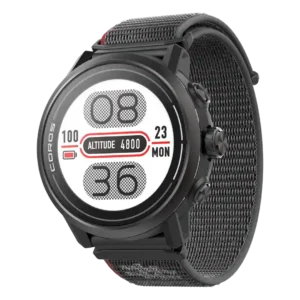
Heart-rate accuracy was the most split sensor result: several reviewers saw good steady-state or workout responsiveness, while others saw lag, spikes, drops, or larger BPM differences.
Pros: value for money, GPS accuracy
Cons: mapping and navigation, onboard music storage
#10
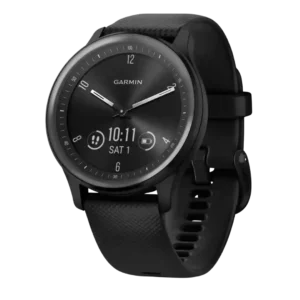
Heart-rate evidence split by use: casual and steady workouts were often close enough, but high-intensity, outdoor cycling, and some reviewer comparisons showed lag, overreading, or underreading.
Pros: value for money, style and design
Cons: battery life, display quality
#11
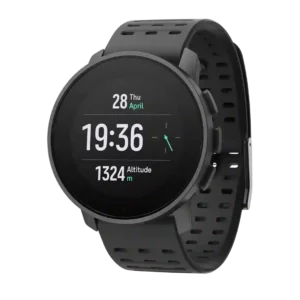
Heart rate accuracy was the most mixed tracking area, ranging from solid on steady workouts to delayed, spiky, or chest-strap-dependent during harder efforts.
Pros: battery life, GPS accuracy
Cons: value for money, mapping and navigation
#12
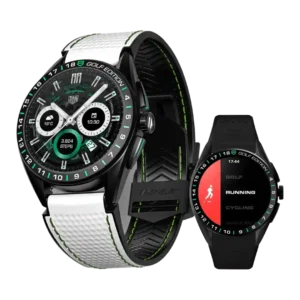
Heart-rate evidence is split but mostly negative, with several reviewers reporting lag or 10-20 bpm gaps despite one positive sensor assessment.
Pros: style and design, battery life
Cons: value for money, heart rate accuracy
#13
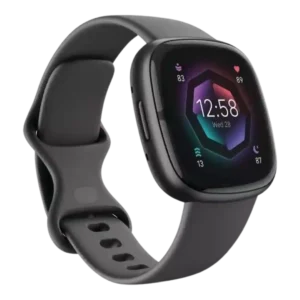
Heart-rate accuracy is a recurring concern, with multiple reviewers reporting lag, low readings, drops during intervals, or poor workout tracking, though a few saw decent normal-use performance.
Pros: battery life, stress tracking
Cons: value for money, GPS accuracy
#14
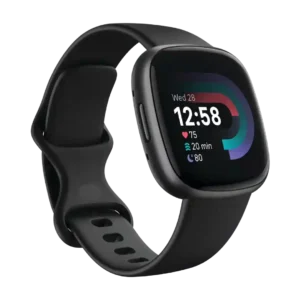
Heart-rate accuracy was the clearest tracking weakness: several reviewers found lag, undercounts, overestimates, or unreliable high-intensity readings, with only one reviewer strongly satisfied.
Pros: battery life, GPS accuracy
Cons: value for money, heart rate accuracy
