#1
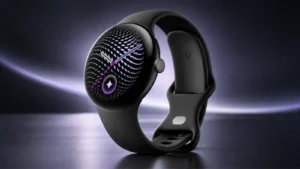
The side-contact charging dock is convenient, quick to attach and can turn the watch into a small bedside clock. Charger continuity with the prior generation is another practical plus.
Pros: software smoothness, style and design
Cons: value for money, wellness insights
#2
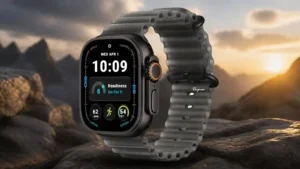
Fast top-ups fit naturally into showers, breakfast, or desk time, making it easy to keep the watch ready for overnight wear. The main drawback is needing to remember those frequent...
Pros: battery life, value for money
Cons: data privacy, comfort
#3
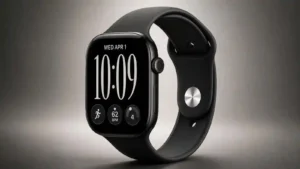
Short top-ups make the daily charging routine easier to manage, although users still need to build a habit around taking the watch off and putting it back on.
Pros: value for money, heart rate accuracy
Cons: data privacy
#4

Charging convenience has limited positive evidence because the familiar Amazfit charger works across several recent models.
Pros: value for money, battery life
Cons: heart rate accuracy, third-party app support
#5

Quick mid-range charging makes brief top-ups practical, and the familiar Garmin connector is easy to use. Charging slows near full capacity as expected.
Pros: battery life, value for money
Cons: mapping and navigation, smartwatch features
#6
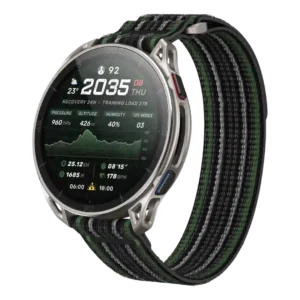
Charging convenience is mostly positive, with secure magnetic charging and useful top-up behavior, though one magnet felt only decent.
Pros: battery life, value for money
Cons: reliability
#7
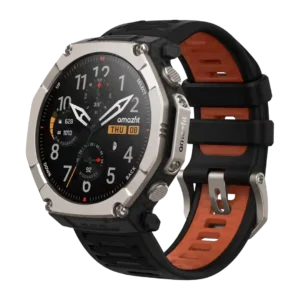
Charging convenience was positive where mentioned, thanks to the charging puck working with common USB-C cables.
Pros: battery life, value for money
Cons: heart rate accuracy, comfort
#8
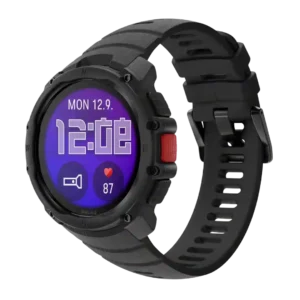
Charging convenience was positive because the shared USB-C charger was described as useful for owners of multiple Polar watches.
Pros: value for money, flashlight usefulness
Cons: user interface
#9
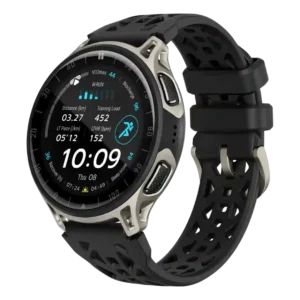
Charging convenience was mixed: the magnetic puck was liked, but reviewers disliked the proprietary charger and need to carry another accessory.
Pros: GPS accuracy, battery life
Cons: band quality, smartwatch features
#10
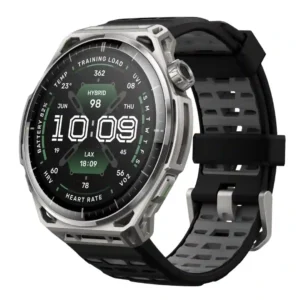
The magnetic USB-C charging head is straightforward, but the box omits the cable. Reviewers viewed that as mildly inconvenient even if it reduces packaging.
Pros: battery life, brightness
Cons: fit, third-party app support
#11

Charging convenience is a recurring weakness because the Ultra 2 relies on Samsung-compatible magnetic charging and often refuses standard Qi or third-party multi-device stands. That makes travel and bedside setups...
Pros: battery life, comfort
Cons: value for money, charging speed
#12

Charging is a clear annoyance: the proprietary Garmin cable can be finicky to keep seated and feels dated compared with USB-C.
Pros: value for money, GPS accuracy
Cons: mapping and navigation, third-party app support
#13
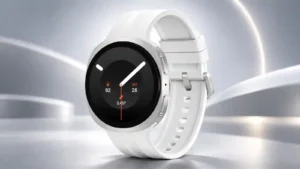
Charging is inconvenient for a watch built around round-the-clock health and sleep tracking. Daily top-ups and the loss of phone-based PowerShare make it harder to keep the watch on the...
Pros: software smoothness, wellness insights
Cons: battery life, charging speed
