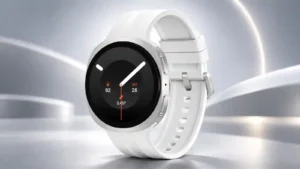
Bluetooth 6 is viewed as a meaningful upgrade because it can extend useful distance from the phone while improving efficiency.
Pros: software smoothness, wellness insights
Cons: battery life, charging speed

Bluetooth 6 is viewed as a meaningful upgrade because it can extend useful distance from the phone while improving efficiency.
Pros: software smoothness, wellness insights
Cons: battery life, charging speed
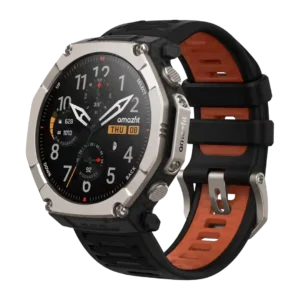
Bluetooth/app connectivity was reliable in the Live Science test, with no disconnects or transfer problems reported.
Pros: battery life, value for money
Cons: heart rate accuracy, comfort

Bluetooth support is useful for phone-free audio and, notably, direct cycling power-meter connections. The connection options broaden the watch’s usefulness without requiring a phone for every activity.
Pros: battery life, comfort
Cons: value for money, charging speed
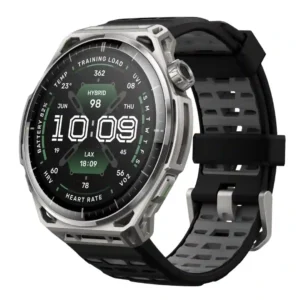
Bluetooth was broadly capable, including external-sensor support, but one setup had annoying initial pairing trouble. Once connected, that reviewer reported stable operation.
Pros: battery life, brightness
Cons: fit, third-party app support

Bluetooth connectivity is mixed-to-weak in the evidence because map transfer depends on Bluetooth and is described as slow.
Pros: value for money, battery life
Cons: heart rate accuracy, third-party app support
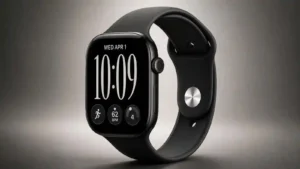
Bluetooth support drew sharp criticism from athletes who want the watch to broadcast heart-rate data directly to bike computers, trainers and other devices.
Pros: value for money, heart rate accuracy
Cons: data privacy
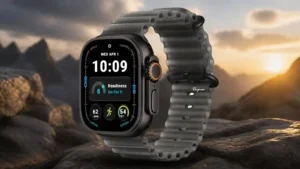
Standard Bluetooth use is present, but the inability to natively broadcast heart-rate data to common fitness equipment is a notable limitation for some athletes.
Pros: battery life, value for money
Cons: data privacy, comfort

Bluetooth works normally for most syncing and sensors, but isolated failures made setup and phone reconnection extremely frustrating. A restart may be needed when pairing stalls.
Pros: battery life, value for money
Cons: mapping and navigation, smartwatch features