#1

Automatic workout detection is a standout strength, reliably picking up walks and even swims without manual starts. Multiple testers praised how little intervention it needs.
Pros: software smoothness, wellness insights
Cons: battery life, charging speed
#2
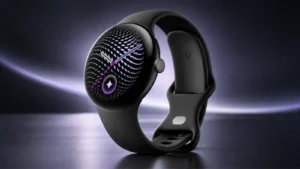
Automatic activity detection worked reliably in the hands-on tests that addressed it, catching walks and forgotten workouts with little effort from the wearer.
Pros: software smoothness, style and design
Cons: value for money, wellness insights
#3

Automatic workout recognition is usually quick and dependable, with several testers praising reliable starts and responsive pausing. A few sessions were split after longer stops, so manual starts are still...
Pros: battery life, comfort
Cons: value for money, charging speed
#4
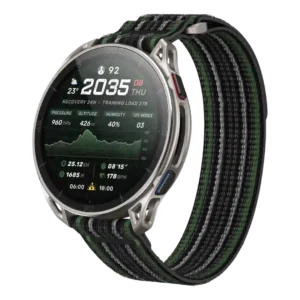
Auto-detection is useful because detected walks and activities can contribute to training load and improve recovery estimates.
Pros: battery life, value for money
Cons: reliability
#5
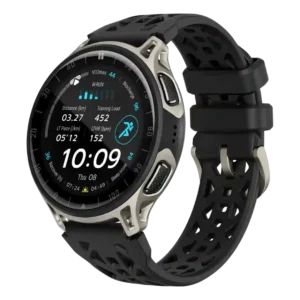
Pool testing gave the only clear auto-detection judgment, with the watch correctly identifying the reviewer’s freestyle swim style.
Pros: GPS accuracy, battery life
Cons: band quality, smartwatch features
#6

Auto-detection is a mixed area because one reviewer noted the lack of automatic workout detection but did not personally miss it.
Pros: value for money, battery life
Cons: heart rate accuracy, third-party app support
#7
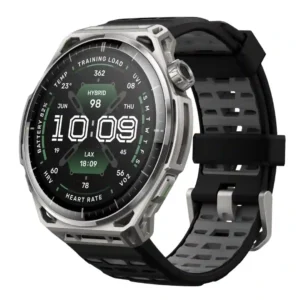
Strength-training auto-detection was the clearest failure: pauses within a rep were repeatedly mistaken for completed sets, cutting rep counts short. Manual logging is the safer choice for lifts with holds...
Pros: battery life, brightness
Cons: fit, third-party app support
