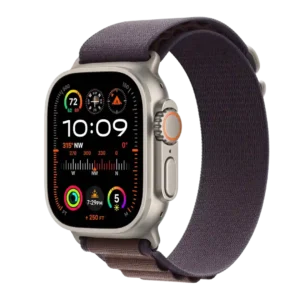
Activity auto-detection worked well in the evidence, with brisk walks automatically logged into the user’s activity rings.
Pros: battery life, voice assistant quality
Cons: value for money, mapping and navigation

Activity auto-detection worked well in the evidence, with brisk walks automatically logged into the user’s activity rings.
Pros: battery life, voice assistant quality
Cons: value for money, mapping and navigation
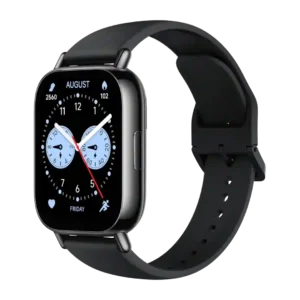
Activity auto-detection received positive evidence from one review that said it made automatic activity tracking easier.
Pros: display quality, battery life
Cons: sleep tracking accuracy, voice assistant quality
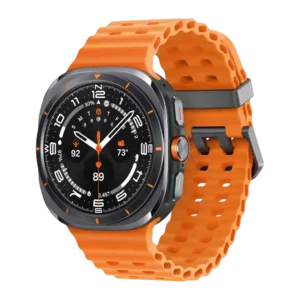
Reviewers generally praised automatic workout detection, saying it started or paused workouts reliably and often worked without asking for confirmation.
Pros: battery life, sleep tracking accuracy
Cons: wellness insights, style and design
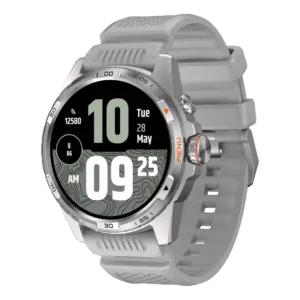
Auto-detection is generally praised for quickly recognizing walks or exertion, with only minor limits around passive workout context.
Pros: battery life, display quality
Cons: operating system experience, voice assistant quality
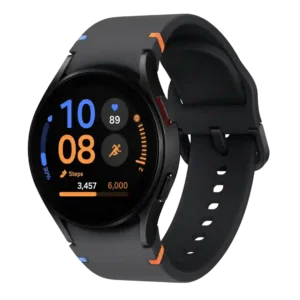
Activity auto-detection was consistently praised for quickly recognizing or picking up casual exercise and walks.
Pros: smartwatch features, health tracking accuracy
Cons: value for money, software smoothness
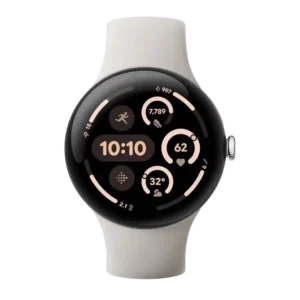
Auto-detection was usually praised for catching walks and workouts quickly, but at least one reviewer said it failed to detect sessions reliably or took too long.
Pros: battery life, display quality
Cons: GPS accuracy, charging convenience
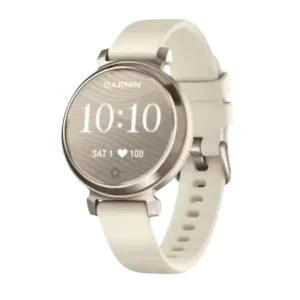
Walk detection is praised as reliable in several reviews, though automatic Move IQ entries are considered thin on detail.
Pros: battery life, style and design
Cons: sleep tracking accuracy, workout tracking variety
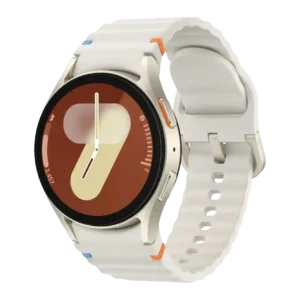
Auto-detection is useful but inconsistent: several reviewers praised quick walk or run recognition, while others saw missed gym-machine workouts or fragmented auto-recorded activities.
Pros: value for money, wellness insights
Cons: battery life, cross-platform compatibility
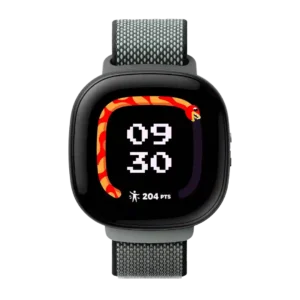
The watch appears to reward normal movement automatically during daily play, though the evidence is limited to one reviewer’s description of points being earned while active.
Pros: coaching features, value for money
Cons: battery life
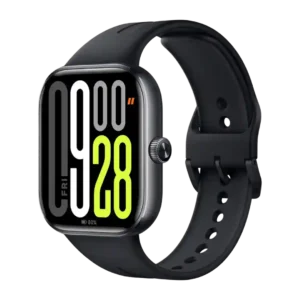
Auto-detection is useful but basic: one reviewer saw workout prompts work well, while another liked the feature but wanted more control.
Pros: battery life, display quality
Cons: smartphone notifications, sleep tracking accuracy

Activity auto-detection was described as standard rather than exceptional.
Pros: call handling, smartwatch features
Cons: display quality, value for money
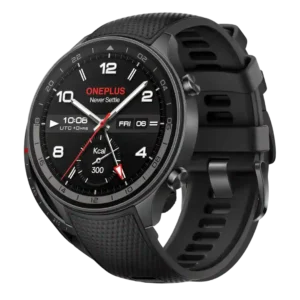
Automatic workout behavior was mixed: one reviewer found auto-detection slow, while another praised quick auto-pause during workouts.
Pros: battery life, value for money
Cons: companion app quality, charging convenience
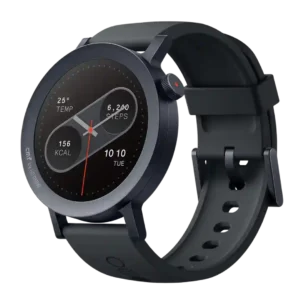
Activity auto-detection was highly inconsistent, ranging from reliable walk recognition to delayed prompts, zeroed starts, false cycling alerts, or missed detection.
Pros: value for money, battery life
Cons: GPS accuracy, sleep tracking accuracy
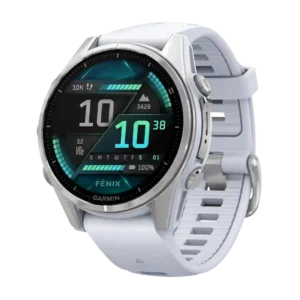
The only opinionated auto-detection evidence was negative: Move IQ-style automatic tracking was described as convenient but not accurate enough to rely on.
Pros: battery life, GPS accuracy
Cons: value for money, call handling
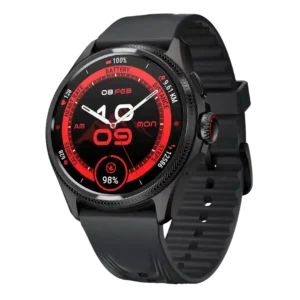
Auto-detection was criticized for misclassifying unusual activity and desk-time behavior, making it useful only with caution.
Pros: battery life, value for money
Cons: operating system experience, voice assistant quality
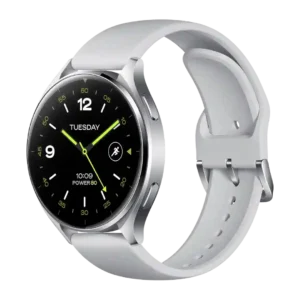
Activity auto-detection was criticized as trigger-happy and inconsistent about stopping activities.
Pros: value for money, smartphone notifications
Cons: battery life, operating system experience
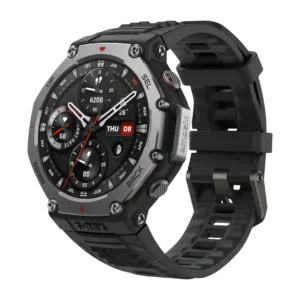
Auto-detection was criticized as unreliable, with one reviewer disabling it after false activity recordings.
Pros: value for money, mapping and navigation
Cons: heart rate accuracy, recovery insights