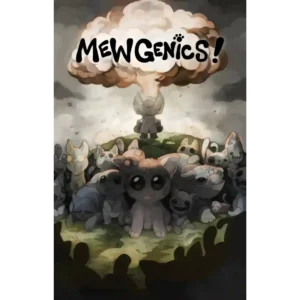
Performance impressions are excellent in the reviews that address it, with smooth Steam Deck play and no notable hardware strain reported.
Pros: level design, exploration quality
Cons: age appropriateness, family friendliness

Showing Gaming Products only. Switch back to all Video Games anytime.
Performance impressions are excellent in the reviews that address it, with smooth Steam Deck play and no notable hardware strain reported.
Pros: level design, exploration quality
Cons: age appropriateness, family friendliness
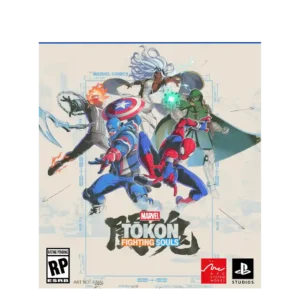
Performance is praised in beta play for staying consistent without stutters or drops.
Pros: emotional impact, frame rate stability
Cons: server reliability, tutorial quality

Performance optimization was positive, with reviewers reporting no issues and smooth Switch 2 play.
Pros: protagonist appeal, faithfulness to franchise
Cons: map and navigation design, aiming precision
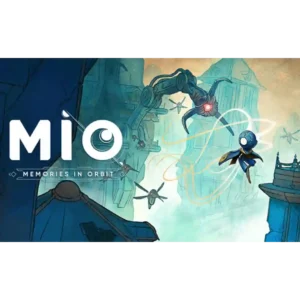
Performance is strong on several tested systems, and targeted settings changes can deliver smooth 60fps on lower-power hardware. A few platform-specific rough spots keep optimization from being completely effortless.
Pros: level design, content variety
Cons: checkpoint system, lore depth
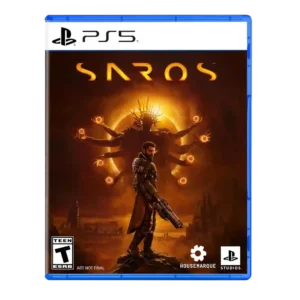
Performance optimization was praised overall, especially on PS5/PS5 Pro, with only minor dips or loading-related hitches noted.
Pros: value for money, fun factor
Cons: map and navigation design, side character depth

Performance optimization is praised in previews and requirements analysis, with reviewers highlighting polish, smoothness, and likely strong PC scaling.
Pros: open-world design, replay value
Cons: dialogue quality, writing quality
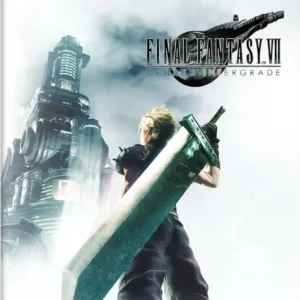
The port is treated as a technical showcase, preserving a large AAA experience with surprisingly few compromises.
Pros: controls responsiveness, movement feel
Cons: camera behavior, physical copy condition
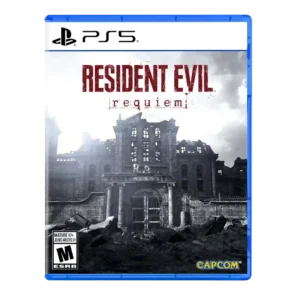
Performance optimization was generally strong, with multiple reviewers calling performance solid or flawless.
Pros: driving mechanics, protagonist appeal
Cons: platform-specific feature support, checkpoint system
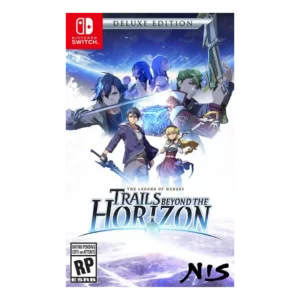
Performance optimization was generally praised, especially on Switch 2 and Switch 1 improvements, though individual frame-rate issues appear under frame stability.
Pros: facial animations, polish
Cons: grind level, stealth mechanics
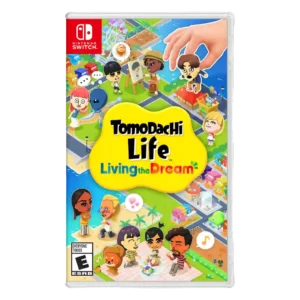
Switch and Switch 2 impressions are positive, with reviewers saying the game runs well and feels snappy.
Pros: grind level, originality
Cons: social features, accessibility options

Performance optimization has limited positive demo evidence, with one preview finding no performance quirks or issues.
Pros: pacing, core gameplay loop
Cons: companion AI, map and navigation design
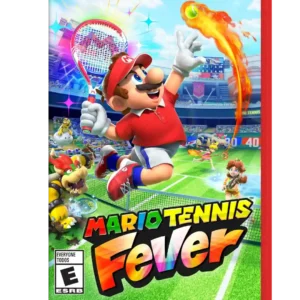
The game generally runs smoothly and handles effects-heavy courts without meaningful slowdown. Reviewers repeatedly describe performance as stable, with only isolated technical hiccups.
Pros: facial animations, load times
Cons: exploration quality, puzzle design
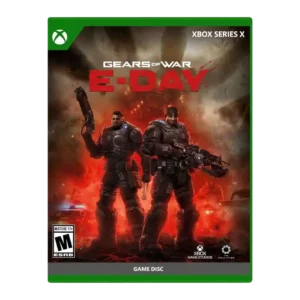
Technical direction is viewed positively through tech improvements and a 60 FPS campaign target.
Pros: emotional impact, art direction
Cons: value for money, platform-specific feature support
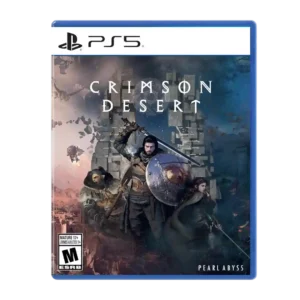
Reviewer evidence is positive: performance optimization was generally praised, though some notes were more qualified across 9 review(s).
Pros: level design, replay value
Cons: stealth mechanics, save system reliability
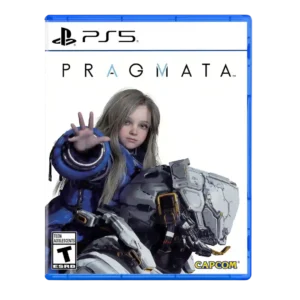
Performance optimization is strong on PC and generally impressive, though Switch 2 shows compromises and frame-time concerns.
Pros: bug frequency, user interface design
Cons: HUD clarity, mission design
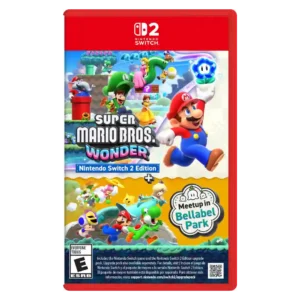
Switch 2 performance is consistently strong, combining 4K output with smooth play and very few technical complaints. The improvements are more about refinement and stability than rescuing a poorly performing...
Pros: controls responsiveness, voice acting
Cons: matchmaking quality, user interface design
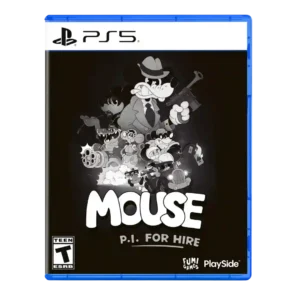
PC, PS5, Linux, Steam Deck, and Xbox Ally X versions are generally well optimized and smooth. Switch 2 is the major exception, with frustrating frame drops and other technical problems.
Pros: lore depth, user interface design
Cons: AI behavior, aiming precision
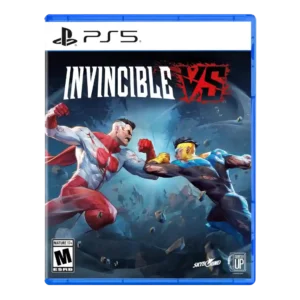
Performance optimization was supported by a review praising the stable local frame-rate foundation.
Pros: immersion, frame rate stability
Cons: user interface design, bug frequency

Performance optimization looks promising because reviewers noted a benchmark tool and PC requirements that may compare favorably to Shadows, but no launch benchmarks exist yet.
Pros: core gameplay loop, visual effects quality
Cons: monetization fairness, microtransaction impact

A few playthroughs ran smoothly with few problems, but others report conspicuous performance and presentation faults, making platform experience inconsistent.
Pros: level design, accessibility options
Cons: world-building, haptic feedback integration
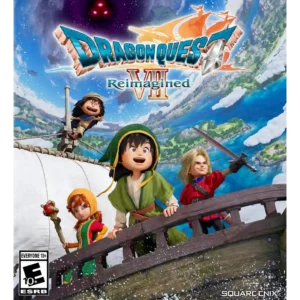
Across the tested platforms, performance is generally smooth and stable, with reviewers reporting few serious technical problems.
Pros: atmosphere, voice acting
Cons: controls responsiveness, quest design

Performance is a strength on current hardware, with smooth console play and strong Switch 2 results, though isolated technical problems prevent a spotless record.
Pros: controls responsiveness, movement feel
Cons: casting choices, grind level

Performance optimization is mostly solid, but Switch and technical-mode comments point to tradeoffs between steadiness and visual quality.
Pros: onboarding experience, environmental detail
Cons: family friendliness, movement feel
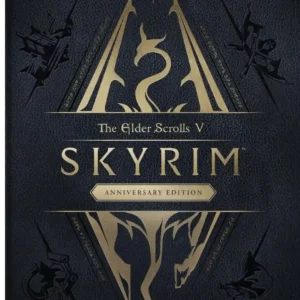
Performance is highly version-dependent. Several ports are stable and newer editions improve optimization, but older PS3 issues, Switch 2 input/framerate choices, and occasional slowdown keep the record from being spotless.
Pros: gameplay mechanics, core gameplay loop
Cons: camera behavior, haptic feedback integration
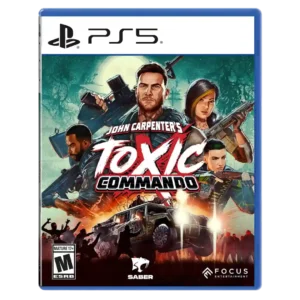
Performance ranges from impressively stable under huge hordes to rough on specific PCs or builds. Hardware, settings, and launch-period patches make this one of the more variable findings.
Pros: gameplay mechanics, boss design
Cons: age appropriateness, family friendliness
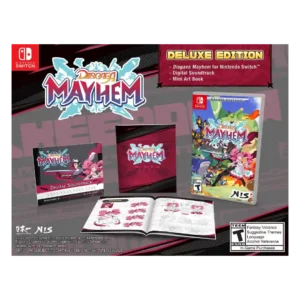
Optimization is inconsistent: PS5 previews ran smoothly, while Switch 2 and Proton-based handheld testing showed performance far below what the modest visuals suggest.
Pros: bug frequency, movement feel
Cons: enemy variety, AI behavior

PS5 performance is usually smooth, while PC and especially Switch reports are more variable; the harshest Switch review described serious input-lag and image-quality problems.
Pros: crafting system, content variety
Cons: monetization fairness, endgame content
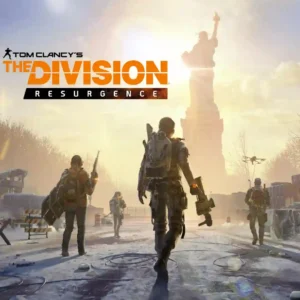
Performance can be excellent and smooth on supported hardware, yet device age and settings produce large differences in quality and stability.
Pros: exploration quality, sandbox freedom
Cons: mission variety, companion AI

Performance optimization was mixed by platform, with stable Switch 2 reports offset by occasional lag or calls for tuning.
Pros: crash stability, HUD clarity
Cons: character development, visual effects quality
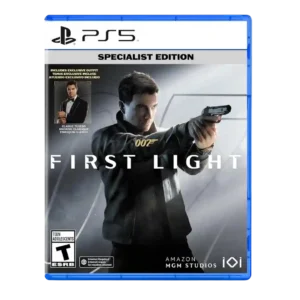
Performance optimization is mixed: some sources cite expected smoothness and optimization, while another flags performance as a legitimate concern.
Pros: level design, user interface design
Cons: AI behavior, facial animations
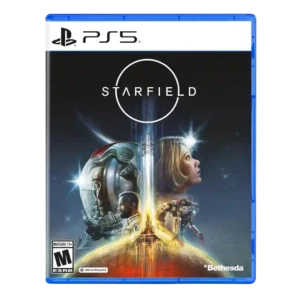
Performance varies by hardware and mode, from smooth PS5 impressions to inconsistent PS5 Pro behavior and demanding PC requirements.
Pros: puzzle design, sound design
Cons: accessibility options, AI behavior
Performance is mostly workable and can be smooth on PS5 hardware, but boss trapping, isolated slowdowns, and launch-period bugs keep the technical picture from being uniformly clean.
Pros: accessibility options, checkpoint system
Cons: economy and resource balance, AI behavior
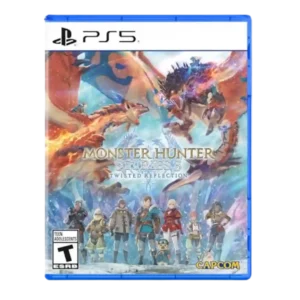
Optimization depends heavily on hardware: PS5 and PC are described as smooth or near-flawless, while Switch 2 suffers from pop-in, lower resolution, and inconsistent frame rates.
Pros: puzzle design, level design
Cons: crash stability, multiplayer design
Performance optimization was mixed, with some smooth experiences but repeated PC issues, frame dips, and calls for optimization.
Pros: pacing, visual effects quality
Cons: tutorial quality, character roster
Performance evidence was split: one preview mentioned solid performance, while a later video worried about demanding PC requirements.
Pros: core gameplay loop, replay value
Cons: value for money, difficulty balance
Performance concerns focus less on instability and more on rhythm lag, with one preview wishing for higher-frame-rate Switch 2 enhancement to help timing.
Pros: couch co-op quality, accessibility options
Cons: platform-specific feature support, performance optimization
Performance optimization was a concern on handheld PC hardware, with hopes for further tuning.
Pros: environmental detail, art direction
Cons: world interactivity, loot system
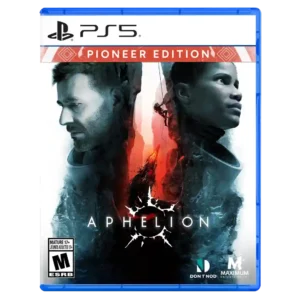
Experiences range from stable console play to stutter, pop-in, hitching, and technical roughness, especially in previews and later chapters.
Pros: HUD clarity, onboarding experience
Cons: user interface design, menu usability

Performance is the clearest technical weakness. Multiple reviewers cite frame drops or instability, with Steam Deck receiving the harshest criticism and some PC/PS5 runs faring better.
Pros: open-world design, visual effects quality
Cons: frame rate stability, user interface design

Performance optimization varied by platform; Switch and console reviews often criticized optimization, while one Switch-focused review said it ran really well.
Pros: accessibility options, protagonist appeal
Cons: frame rate stability, polish
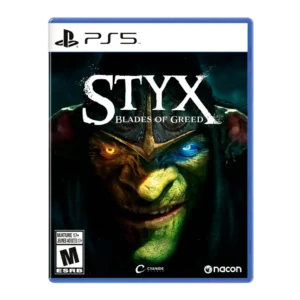
Performance is one of the biggest technical concerns, especially on PC where demanding requirements, stuttering, and heavy reliance on upscaling are repeatedly criticized.
Pros: world-building, stealth mechanics
Cons: boss design, endgame content
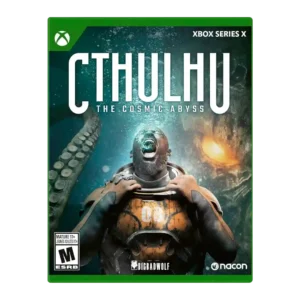
Performance optimization was uneven, with several reviews citing slowdowns, memory-leak behavior, lag, or disappointing performance, while one found it mostly good.
Pros: world-building, world interactivity
Cons: enemy variety, stealth mechanics

Technical performance is inconsistent across platforms and modes. Some systems run the game cleanly, while others suffer blur, stutter, frame drops, texture problems, or poor resolution tradeoffs.
Pros: mission design, sandbox freedom
Cons: movement feel, aiming precision

Performance is mixed across platforms and situations. Some builds are stable, while crowded environments, expanded effects, or platform caps expose technical limits.
Pros: lore depth, co-op experience
Cons: economy and resource balance, tutorial quality

Performance is a persistent technical weakness. Reviews repeatedly report heavy slowdowns, poor PC scaling, troublesome settings, and especially bad Steam Deck results, though a few systems run smoothly.
Pros: world interactivity, immersion
Cons: AI behavior, handheld play suitability
Technical optimization is the broadest consensus concern. Reviewers repeatedly report stutter, frame-rate drops, texture issues, and uneven performance across PS5, PS5 Pro, Xbox, and PC, even as patches make incremental...
Pros: world-building, sound design
Cons: multiplayer design, frame rate stability
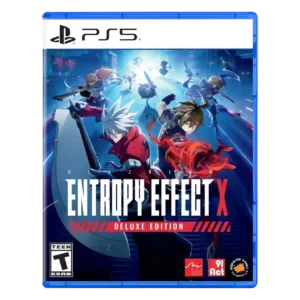
Performance is mixed by platform or stage, with Switch issues and late-stage slowdown offset by some reports of stable play.
Pros: movement feel, skill tree depth
Cons: menu usability, HUD clarity

Technical performance is a weak point, especially on consoles where stutter, frame drops, and limited performance options are repeatedly criticized.
Pros: writing quality, checkpoint system
Cons: bug frequency, HUD clarity

Optimization is a clear weakness on handheld hardware, with bugs, frame drops, and unstable performance requiring reduced settings.
Pros: level design, world interactivity
Cons: performance optimization, menu usability
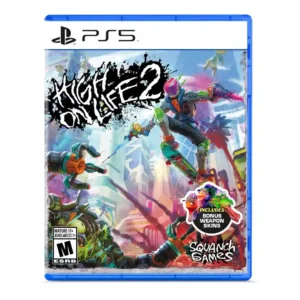
Optimization is a major weakness on several systems, with demanding hardware requirements and inconsistent performance. Some patches and configurations show meaningful improvement.
Pros: tutorial quality, monetization fairness
Cons: polish, HUD clarity