If you want better connection stability
Choose SteelSeries Rival 3 Gen 2 Wired. It scores 5.0 vs 2.0 for connection stability, with a 4.1 overall score.

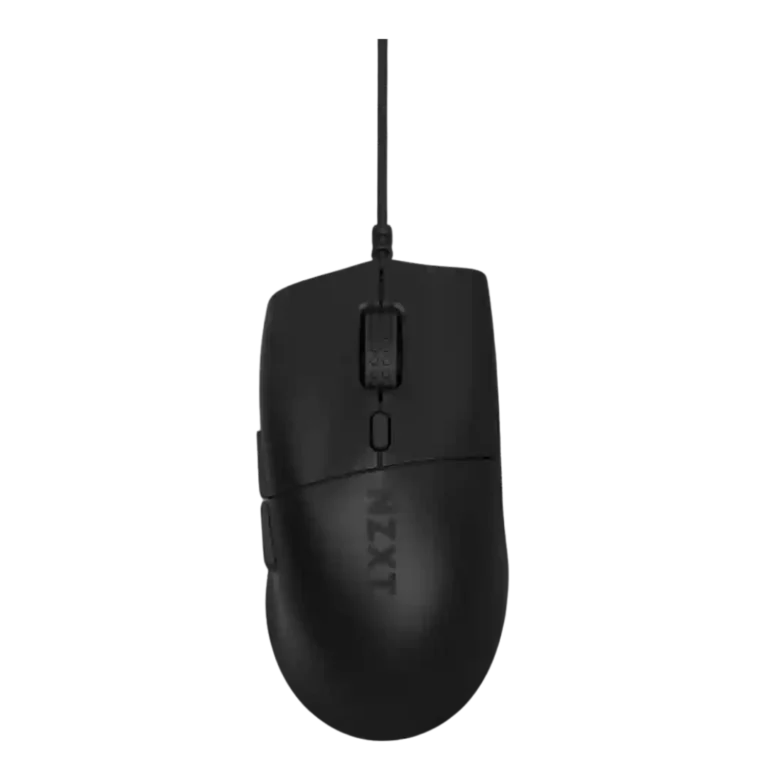
Choose the NZXT Lift 2 Ergo if you want a light, ergonomic wired mouse with strong sensor specs for little money. Skip it if you need wireless, RGB, left-hand support, or guaranteed smooth glide on soft pads.
Best for budget-conscious right-handed gamers with medium-to-large hands who want a light wired mouse with strong FPS performance, palm or claw comfort, and useful software customization.
Not for left-handed users, fingertip grippers, RGB fans, wireless-only buyers, or players using soft pads who are sensitive to scratchiness or frame drag.
Across reviews, the NZXT Lift 2 Ergo lands as a value-first wired gaming mouse with unusually strong performance specs for its price. Reviewers repeatedly praised the light 60-61g body, comfortable right-handed ergonomic shape, flexible paracord cable, fast sensor behavior, high polling capability, and strong FPS feel. The tradeoff is that its simplicity cuts both ways: the lack of wireless and RGB makes it clean and affordable, but also less versatile and less informative for profile changes. Comfort is strongest for palm, claw, and medium-to-large right-handed users, while fingertip users and left-handed users are poor fits. The main functional concern is glide consistency on softer pads, where multiple reviewers noticed frame drag or scratchiness.
Compared with other Gaming Mice, this product is above average in value for money, click noise, cable flexibility, near average in scroll wheel quality, left and right click quality, below average in connection stability, fingertip grip comfort, cross-platform compatibility.
| Attribute | This product | Category average | Difference |
|---|---|---|---|
| connection stability | 2.0 | 4.5 | -2.5 |
| fingertip grip comfort | 1.5 | 3.8 | -2.3 |
| cross-platform compatibility | 2.0 | 4.0 | -2.0 |
| surface compatibility | 2.5 | 4.3 | -1.8 |
| value for money | 4.8 | 3.7 | +1.0 |
| click noise | 4.5 | 3.5 | +1.0 |
| RGB features | 2.8 | 3.7 | -0.9 |
| cable flexibility | 4.5 | 3.6 | +0.9 |
Choose SteelSeries Rival 3 Gen 2 Wired. It scores 5.0 vs 2.0 for connection stability, with a 4.1 overall score.
Choose SteelSeries Rival 5. It scores 4.8 vs 2.0 for cross-platform compatibility, with a 4.2 overall score.
Choose ASUS ROG Strix Impact III Wireless. It scores 4.8 vs 1.5 for fingertip grip comfort, with a 4.2 overall score.
Choose Razer DeathAdder V3. It scores 5.0 vs 2.5 for surface compatibility, with a 4.4 overall score.
Compared with NZXT Lift 2 Ergo
Yes, reviewers broadly praised its right-handed ergonomic shape, especially for palm grip, claw grip, and medium-to-large hands. Fingertip grip was the weak fit in the reviewed evidence.
Yes. Reviewers praised its fast sensor behavior, high polling capability, smooth movement, and shot accuracy in FPS-style use.
No. Reviewers repeatedly treated the wired-only design as the main versatility tradeoff, even though several liked the cable itself.
The paracord cable was widely praised as flexible, smooth, low-drag, and easy to ignore during use. One reviewer still preferred wireless mice overall.
Reviewers were split. Some found the no-RGB design clean and simple, while others called it dull or frustrating because it gives no visual profile feedback.
The clearest issues are no wireless, no left-handed version for the Ergo shape, limited profile feedback, one disconnecting report on reboot, and frame drag or scratchiness on some soft mousepads.
These are a few of the reviews included in our analysis.
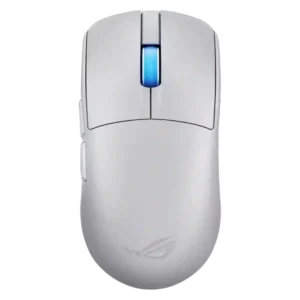
Choose the ROG Harpe II Ace for ultralight FPS play, precise tracking, smooth glide, and web-based tuning. Skip it if you need palm-grip support, MMO buttons, onboard profiles, or long...
Pros: glide smoothness, weight
Cons: handedness options
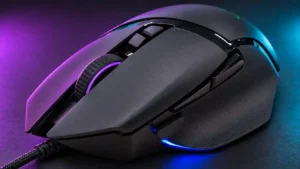
Excellent tracking, comfortable right-handed ergonomics and a versatile scroll wheel make the Basilisk V3 a strong gaming and productivity mouse. Its substantial weight, fixed cable and sometimes over-sensitive automatic scrolling...
Pros: scroll wheel quality, RGB features
Cons: weight, handedness options
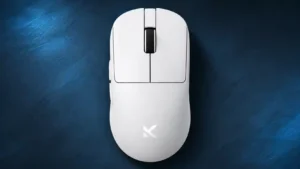
The L7 Pro delivers remarkably light handling, precise aiming and a grippy shell at a budget price. Stock skates are less impressive, and conflicting click-latency measurements warrant caution for latency-sensitive...
Pros: value for money, weight
Cons: wired connectivity
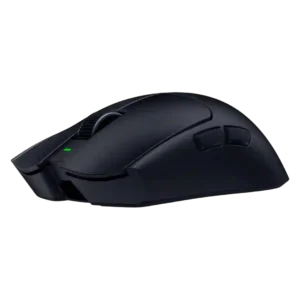
Best for ultra-light, competition-focused speed, precise tracking, stable wireless, and long battery life. Skip it if you need quieter clicks, left-handed support, Bluetooth, more buttons, or better value for casual...
Pros: value for money, weight
Cons: click noise, RGB features