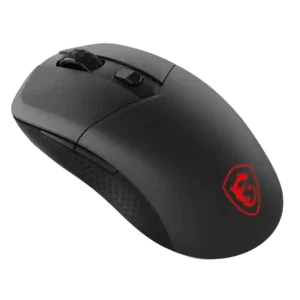
Overall: 4.4/5
The 100–26,000 DPI range provides ample tuning headroom, even though most reviewers preferred much lower settings for practical aiming.
Pros: software usability, sensor performance
Cons: RGB features, scroll wheel quality

Overall: 4.4/5
The 100–26,000 DPI range provides ample tuning headroom, even though most reviewers preferred much lower settings for practical aiming.
Pros: software usability, sensor performance
Cons: RGB features, scroll wheel quality
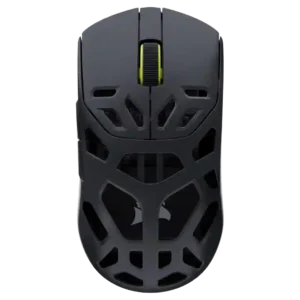
Overall: 4.2/5
One reviewer noted the DPI sensor was not the fastest seen, but still far above most competition.
Pros: shape comfort, sensor performance
Cons: value for money, side button quality
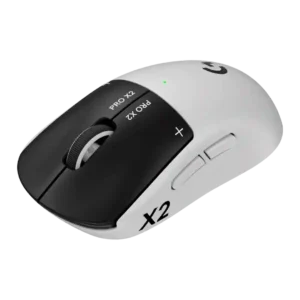
Overall: 4.0/5
The DPI range is treated as a premium spec, with one reviewer calling the 44,000 DPI ceiling among the highest they had seen.
Pros: switch feel, click latency
Cons: value for money, glide smoothness
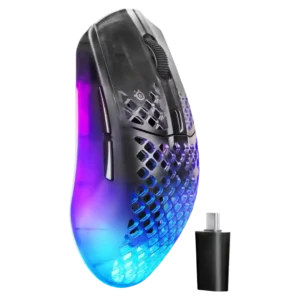
Overall: 4.3/5
The 26K DPI range was valued for flexibility and on-the-fly tuning, though several reviewers said extreme DPI levels could feel jumpy or unnecessary.
Pros: software usability, polling rate
Cons: palm grip comfort, fingertip grip comfort
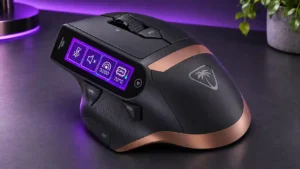
Overall: 3.6/5
The 30,000-DPI maximum places the sensor among premium gaming hardware, although that ceiling is not necessary for everyone.
Pros: charging convenience, battery life
Cons: Touchscreen usefulness, value for money
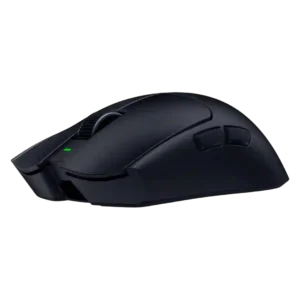
Overall: 4.4/5
The huge DPI range was seen as flexible and impressive, but several reviewers said the extreme 50K ceiling is more experimental than necessary.
Pros: value for money, weight
Cons: click noise, RGB features
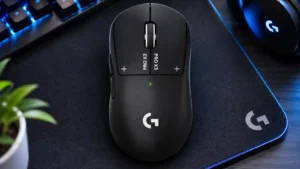
Overall: 3.8/5
The very high DPI ceiling provides ample sensitivity headroom, although most players never need anything close to the maximum.
Pros: balance and weight distribution, weight
Cons: Upgrade value, value for money