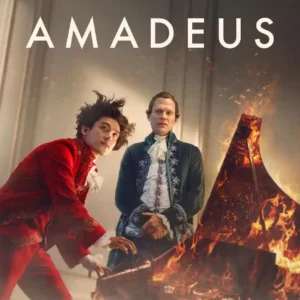
The sharpest dialogue—especially between Mozart and Salieri—is repeatedly praised as sparkling, venomous, and one of the adaptation’s best-written elements.
Pros: entertainment value, soundtrack quality
Cons: plot originality, season pacing

The sharpest dialogue—especially between Mozart and Salieri—is repeatedly praised as sparkling, venomous, and one of the adaptation’s best-written elements.
Pros: entertainment value, soundtrack quality
Cons: plot originality, season pacing

Dialogue is generally valued for trusting viewers and letting tense or funny exchanges carry ideas without excessive exposition.
Pros: acting quality, story quality
Cons: season pacing, character likability

The dialogue is praised as beautiful and poetic, with an intentionally formal musicality that helps evoke the period world.
Pros: visual style, character development
Cons: faithfulness to source material, season pacing

Dialogue is usually a strength, especially in the lead confrontations, with praise for natural speech and sharp exchanges. A few negative reactions still point to clunky or over-expository lines.
Pros: bingeability, main cast performance
Cons: plot twists, writing quality

The dialogue is sharp, sarcastic, and often caustically funny, with savage put-downs adding bite. The main drawback is audibility, as at least one viewer had to rewind to decipher lines.
Pros: story quality, main cast performance
Cons: audience appeal, age appropriateness
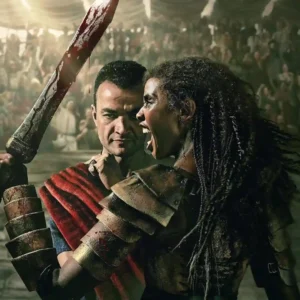
The faux-Latin, Shakespearean cadence is a signature pleasure for many reviewers, who enjoy its poetic vulgarity and distinctive rhythm. Others find the syntax overly elaborate, difficult for newcomers, or distracting.
Pros: franchise connection, character development
Cons: story quality, sexual content level
The central banter is often praised as funny and lively, but one strongly negative review finds the dialogue forgettable.
Pros: entertainment value, action sequences
Cons: rewatch value, runtime
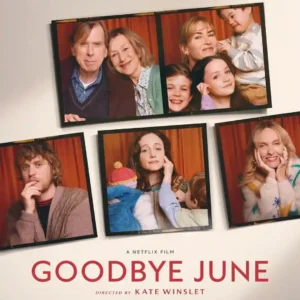
The dialogue divides reviewers: some find the family conversations impressively realistic, honest, and sharp, while others call them heavy-handed, overly explanatory, or closer to daytime drama.
Pros: acting performance, emotional impact
Cons: screenplay quality, story quality

Dialogue ranges from self-aware and amusing to cheesy, pretentious, or painfully sugary. Modern jokes and puns can be sharp, but repeated therapy-speak and broad lines wear out their welcome.
Pros: supporting cast performance, lead performance
Cons: humor, genre satisfaction
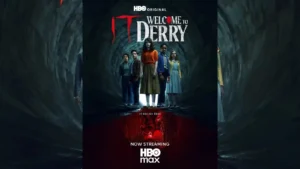
Dialogue is a recurring weakness, with complaints about clunky exposition, wooden exchanges, and overly obvious monologues.
Pros: genre satisfaction, acting quality
Cons: writing quality, CGI quality

The heightened dialogue fits the pulpy tone for some viewers, but awkward lines also draw unintended laughter.
Pros: entertainment value, acting performance
Cons: plot originality, pacing

Dialogue is a recurring weakness. Even positive reviews mention cringeworthy, awkward, or tonally jarring lines, though a few characters still get sharp exchanges.
Pros: action quality, villain quality
Cons: entertainment value, faithfulness to source material

Exposition, clichés, and self-conscious quips are frequent complaints, with several reviewers calling the dialogue clunky or outright terrible. The brighter side is the cast’s banter, which can still pop when...
Pros: entertainment value, action sequences
Cons: genre satisfaction, realism

Sparse dialogue suits the isolated trek for some, while awkward one-sided lines or long silences leave others detached.
Pros: cinematography, emotional impact
Cons: story quality, pacing

The film’s dialogue gets a pointed complaint for slowing the first half with dull exchanges.
Pros: acting performance, scares
Cons: pacing, emotional impact

Dialogue draws criticism when it becomes heavily expository, especially in the opening material, though the show still produces occasional sharp comic lines.
Pros: character development, entertainment value
Cons: character balance, story quality

Dialogue drew frequent criticism for feeling cheesy, unnatural, or dependent on poor communication, though one review noted occasional witty banter amid otherwise plain writing.
Pros: lead performance, emotional impact
Cons: humor, originality

Dialogue is one of the most criticized elements. Reviews repeatedly call it expository, stilted, clumsy, overly solemn, unnatural, or awkwardly old-timey.
Pros: main cast performance, production design
Cons: character development, season pacing
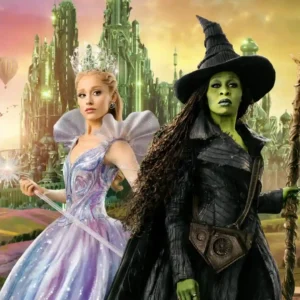
Dialogue receives limited but negative attention, mainly for repetitive wording and lines that feel clunky or overused. These complaints reinforce broader concerns about the script.
Pros: lead performance, acting performance
Cons: story quality, soundtrack quality

Dialogue is a major liability, frequently described as awkward, clunky, cringeworthy, or overloaded with forced “bro” banter.
Pros: visual style, action sequences
Cons: plot originality, character development

Expository dialogue and forced emotional beats can make character backstories feel generic rather than naturally revealed.
Pros: genre satisfaction, acting performance
Cons: entertainment value, character development