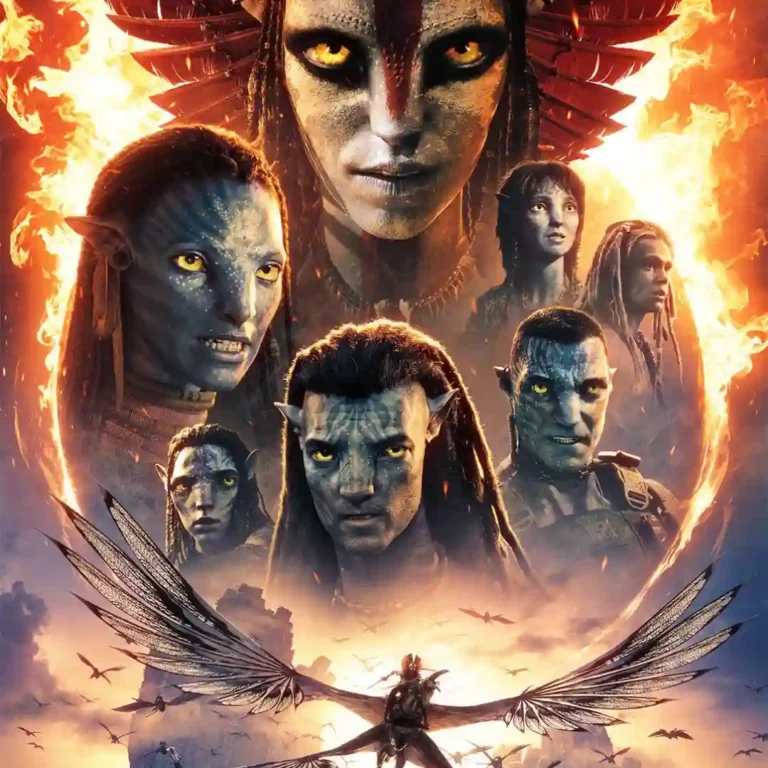
Choose it for unmatched big-screen visuals, immersive 3D, and spectacular action. Skip it if recycled plotting, forced dialogue, and a 197-minute runtime outweigh technical brilliance.
Best for
Avatar devotees and spectacle-first moviegoers who can see it on a large 3D screen and enjoy returning to Pandora even when the plot feels familiar.
Not for
Story-first viewers, anyone sensitive to very long runtimes or frame-rate switching, and families expecting a gentle adventure rather than intense violence and mature villain material.
Verdict
Avatar: Fire and Ash remains a staggering theatrical achievement, with photorealistic CGI, muscular sound design, and aerial and aquatic action that frequently ranks among the franchise’s best. Oona Chaplin’s Varang, Stephen Lang’s Quaritch, and Zoe Saldaña’s grief-stricken Neytiri supply much of the dramatic energy. Yet the consensus repeatedly returns to the same frustration: a 197-minute story that often replays The Way of Water, underdevelops the Ash People, and leans on awkward dialogue and recurring capture-rescue beats. Some viewers found the pace propulsive and the ending deeply gratifying; many others called it bloated, derivative, or anticlimactic. It is an easy recommendation as a premium-format spectacle, but a much harder sell as fresh storytelling.
Visuals are the overwhelming consensus strength: breathtaking color, scale, texture, and 3D immersion make Pandora spectacular. Even detractors often call it the year’s best-looking film.
Action is one of the clearest strengths, with aerial combat and large battles frequently ranked among the franchise’s best. Repetition and sheer duration sometimes turn excitement into fatigue.
The motion-capture ensemble generally earns praise for commitment and emotional detail, although a minority found some performances lifeless or unconvincing.
entertainment value: 4.1, 12 reviews, low consensus
Entertainment value ranges from exhilarating blockbuster fun to outright boredom. Most agree the spectacle is enjoyable, but story tolerance determines whether the full experience works.
Repetition is the dominant complaint. Reviewers repeatedly said the plot retraces The Way of Water, though a few felt the continuity still works as one ongoing saga.
The 197-minute runtime is the most common practical complaint. Some viewers never felt the length, but many found it unjustified, exhausting, or in need of major cuts.
The story is the film’s most consistent weakness: many found it hollow, recycled, or stretched thin beneath the spectacle. A smaller group still found the continuing family conflict engaging enough.
Oona Chaplin is repeatedly singled out as a ferocious, terrifying, and magnetic Varang. Reviewers often wish the film gave her more screen time and a fuller arc.
Stephen Lang makes Quaritch more entertaining and layered than before, with several reviewers calling him the cast’s standout or one of the franchise’s best villains.
Sigourney Weaver’s Kiri performance works beautifully for some reviewers, though others remain distracted by the mismatch between her mature voice and teenage character.
Jack Champion’s Spider performance ranges from fully endearing to frustratingly wooden, mirroring the divided response to the character’s central role.
Compared with other Movies, this product is above average in CGI quality, action sequences, visual style, near average in character development, world-building, below average in lead performance, tonal consistency, dialogue quality.
Products reviewers directly compared with this model, grouped into quick takeaways.
The Way of Water
Similar: story and structureThe sequel continues the same conflicts without enough new identity.
Similar: plotThe plot is considered too close to the prior installment.
Worse: overall qualityThe reviewer considers this a stronger iteration of the same story.
Way of Water
Similar: locations and actionLocations and battle material are heavily recycled.
FAQ
Is Avatar: Fire and Ash visually impressive?
Yes. Visuals are the strongest consensus point, with reviewers praising the photorealistic CGI, detailed environments, and immersive 3D.
Does the story feel new?
Often not. Many reviewers said it repeats locations, conflicts, captures, and battle beats from The Way of Water, although some appreciated the continuing saga.
Is the 197-minute runtime justified?
Opinions split. Some found the movie fast and absorbing, while many wanted substantial cuts and described it as padded or exhausting.
Who are the standout performers?
Oona Chaplin’s Varang, Stephen Lang’s Quaritch, and Zoe Saldaña’s Neytiri receive the most consistent praise.
Are the Ash People explored in depth?
Not enough for many reviewers. Varang makes a strong impression, but her clan and culture are frequently described as underdeveloped or sidelined.
Is it worth seeing in theaters?
The strongest case is for a large 3D screen, where the visuals, sound, and action have their greatest impact. Story-focused viewers may prefer to skip it.
Sample Expert Reviews We Analyzed
These are a few of the reviews included in our analysis.
Best for pristine archival footage, immersive sound, and a surprisingly tense look at Disneyland’s construction. Skip it if you want a comprehensive, deeply critical history; several reviewers found the 78–79-minute...
Best for an intimate, inventive archival portrait with strong emotional and cultural impact. Skip it if substantial nudity or an occasionally wandering biographical structure will frustrate you.
Pros: chemistry between characters, emotional impact
Best for an audacious, text-driven conspiracy thriller with gorgeous 16mm atmosphere and mounting dread. Skip it if long stretches of reading, deliberate repetition, and an intentionally austere narrative sound more...
Best for a profound, formally inventive meditation on grief, memory, and the ethics of filming family. Skip it if intensely personal addiction material, a 114-minute runtime, or occasional repetition will...