#1

Dialogue is usually a strength, especially in the lead confrontations, with praise for natural speech and sharp exchanges. A few negative reactions still point to clunky or over-expository lines.
Pros: bingeability, main cast performance
Cons: plot twists, writing quality
#2
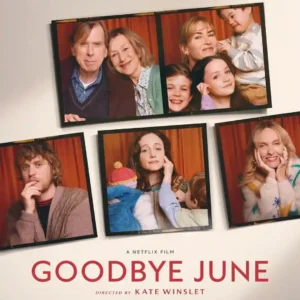
The dialogue divides reviewers: some find the family conversations impressively realistic, honest, and sharp, while others call them heavy-handed, overly explanatory, or closer to daytime drama.
Pros: acting performance, emotional impact
Cons: screenplay quality, story quality
#3

Dialogue ranges from self-aware and amusing to cheesy, pretentious, or painfully sugary. Modern jokes and puns can be sharp, but repeated therapy-speak and broad lines wear out their welcome.
Pros: supporting cast performance, lead performance
Cons: humor, genre satisfaction
#4

Dialogue is a recurring weakness. Even positive reviews mention cringeworthy, awkward, or tonally jarring lines, though a few characters still get sharp exchanges.
Pros: action quality, villain quality
Cons: entertainment value, faithfulness to source material
#5

Dialogue draws criticism when it becomes heavily expository, especially in the opening material, though the show still produces occasional sharp comic lines.
Pros: character development, entertainment value
Cons: character balance, story quality
#6

Dialogue drew frequent criticism for feeling cheesy, unnatural, or dependent on poor communication, though one review noted occasional witty banter amid otherwise plain writing.
Pros: lead performance, emotional impact
Cons: humor, originality
#7

Dialogue is one of the most criticized elements. Reviews repeatedly call it expository, stilted, clumsy, overly solemn, unnatural, or awkwardly old-timey.
Pros: main cast performance, production design
Cons: character development, season pacing
