#1

Steve Carr’s direction is a standout, using character-led staging and a relatively cringe-free comic rhythm to make the stronger bits feel organic rather than forced.
Pros: supporting cast performance, lead performance
Cons: humor, genre satisfaction
#2

David Ayer handles the stripped down survival story with skill, though the ending and familiar plot leave a few viewers wanting more restraint.
Pros: cinematography, emotional impact
Cons: story quality, pacing
#3
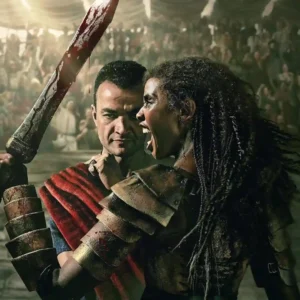
Direction is praised for maintaining craft across the production and, in later episode coverage, for delivering a focused and driven installment even without arena games.
Pros: franchise connection, character development
Cons: story quality, sexual content level
#4
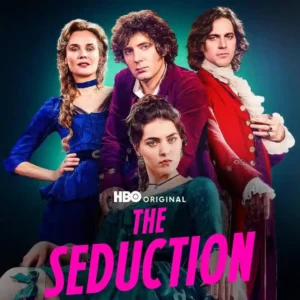
Direction earns strong praise for keeping complicated deceptions coherent and for making the intimate material visually purposeful rather than merely explicit.
Pros: visual style, character development
Cons: faithfulness to source material, season pacing
#5
Antonio Campos’s direction is praised as assured, particularly in the way it probes damaged characters and sustains unease through framing and pacing.
Pros: bingeability, main cast performance
Cons: plot twists, writing quality
#6

Bar-Lev is widely praised for balancing compassion, accountability, and competing motives without reducing the story to simple heroes and villains. A few structural choices draw criticism, but the overall approach...
Pros: theme depth, message quality
Cons: character development
#7
Direction earns strong praise for atmosphere, visual control, and the show's most effective horror sequences.
Pros: genre satisfaction, acting quality
Cons: writing quality, CGI quality
#8

Direction receives strong praise for precise blocking, staging, visual patience, and the confidence to let quiet scenes play out at length.
Pros: acting quality, story quality
Cons: season pacing, character likability
#9
Goldstein and Daley are widely praised for energetic, confident staging and smart tonal control, though one dissenting review sees the storytelling as undercooked.
Pros: entertainment value, action sequences
Cons: rewatch value, runtime
#10
Cregger’s control of viewpoint, staging, and abrupt tonal turns impresses many, even when the plotting divides them.
Pros: acting performance, scares
Cons: pacing, emotional impact
#11
Ruben Fleischer is generally credited with brisk energy, visual flair, and a useful self-awareness about the franchise’s silliness. Less favorable takes find the style merely serviceable or limited by low-rent...
Pros: entertainment value, action sequences
Cons: genre satisfaction, realism
#12

Paul Feig earns praise for managing tension and camp, but harsher critics fault his restraint, visual control, and handling of serious themes.
Pros: entertainment value, acting performance
Cons: plot originality, pacing
#13
Direction is more divisive than the performances: raw scenes and formal play are praised, while heavy visual motifs had mixed success. The show works best when style serves Byron’s inner...
Pros: story quality, main cast performance
Cons: audience appeal, age appropriateness
#14
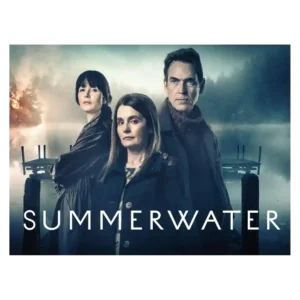
The direction is one of the more positive craft notes. The Standard praises the directors for drawing tension from the cramped interiors and grey Highland landscape.
Pros: suspense
Cons: entertainment value, story quality
#15
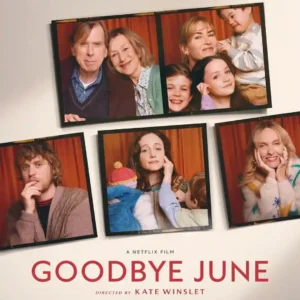
Kate Winslet’s debut draws more praise than criticism for its actor-friendly restraint, intimate staging, and emotional control. Detractors find the approach prosaic, textbook, or insufficiently cinematic.
Pros: acting performance, emotional impact
Cons: screenplay quality, story quality
#16

James Cameron’s command of spectacle remains formidable, though one harsh critic blamed the direction for weak emotional performances.
Pros: visual style, action sequences
Cons: plot originality, character development
#17

Mike P. Nelson’s direction earns praise for finding fresh angles in familiar genre material, but the chaotic attack coverage also draws criticism for muddying the film’s visual logic. The strongest...
Pros: genre satisfaction, acting performance
Cons: entertainment value, character development
#18

Mike Rohl's direction was viewed as competent for the holiday genre, but not strong enough to push the film into exceptional territory.
Pros: lead performance, emotional impact
Cons: humor, originality
#19
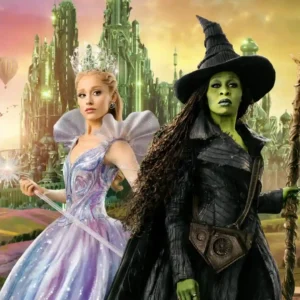
Jon M. Chu’s direction splits reviewers sharply. Some celebrate the scale, musical staging, and visual ambition, while others criticize conventional blocking, overstuffed frames, or a lack of cinematic spark.
Pros: lead performance, acting performance
Cons: story quality, soundtrack quality
#20
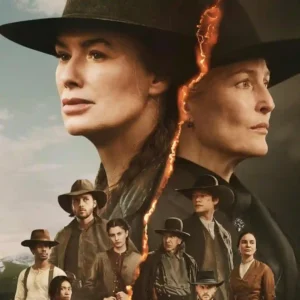
Direction gets mixed marks. Some reviews praise the visual handling and shootouts, while others fault flat staging, an uncertain dramatic mode, and badly handled action.
Pros: main cast performance, production design
Cons: character development, season pacing
#21
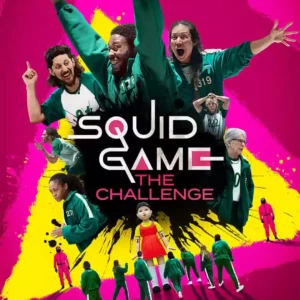
Gareth Birkett’s first four episodes drew sharp criticism from one reviewer for failing to mask the show’s manufactured quality.
Pros: emotional impact, plot originality
Cons: entertainment value, character likability
#22
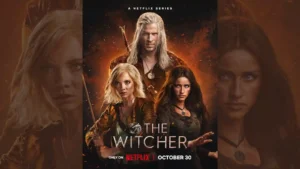
One reviewer blamed the season’s staging and execution for failing to make key material convincing.
Pros: action quality, villain quality
Cons: entertainment value, faithfulness to source material
