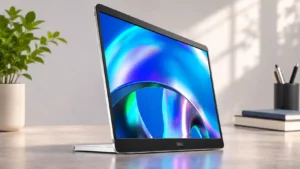
Overall: 3.9/5
The 16:10 panel gives code, terminal windows and web pages useful extra vertical room, especially as a second laptop screen.
Pros: brightness, portability and weight
Cons: value for money, port selection

Overall: 3.9/5
The 16:10 panel gives code, terminal windows and web pages useful extra vertical room, especially as a second laptop screen.
Pros: brightness, portability and weight
Cons: value for money, port selection
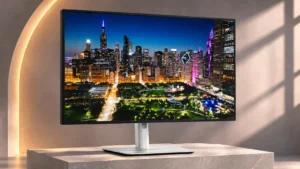
Overall: 4.2/5
Crisp text, wide desktop space, and convenient computer switching make long code-and-terminal workflows easy to arrange.
Pros: port selection, overall satisfaction
Cons: value for money, competitive gaming suitability
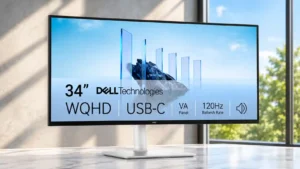
Overall: 4.2/5
Multiple code, terminal, and browser windows remain readable at once without juggling separate displays.
Pros: overall satisfaction, screen size
Cons: stand adjustability, Photo editing
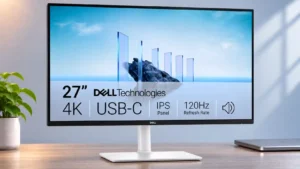
Overall: 4.2/5
Sharp text, ample screen space and a portrait pivot make reading code and working through long files comfortable.
Pros: value for money, Resolution
Cons: port selection, competitive gaming suitability
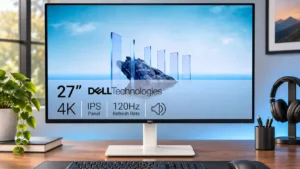
Overall: 3.8/5
Crisp 4K text and smooth scrolling make programming and other text-heavy work a strong fit, with comfortable viewing for longer desk sessions.
Pros: value for money, Resolution
Cons: port selection, HDR performance
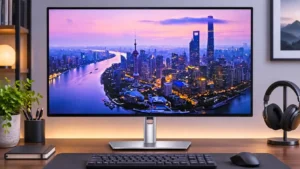
Overall: 4.2/5
Dense 4K text stays crisp, and 120Hz reduces the jarring feel of scrolling through long code files. That combination is especially appealing for all-day development.
Pros: port selection, USB hub functionality
Cons: competitive gaming suitability, motion clarity
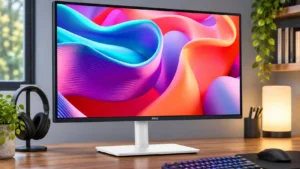
Overall: 4.1/5
The QHD workspace and fast scrolling work well for basic programming and as a secondary coding display. Heavy multitaskers may want a larger or sharper screen.
Pros: USB hub functionality, USB-C power delivery
Cons: speaker quality