Best for Setup simplicity
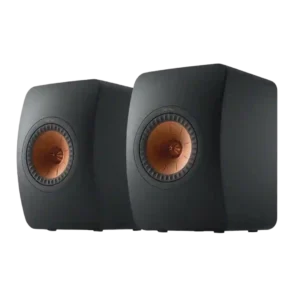
KEF Coda W
4.9 attribute score
Highest scored product for this attribute based on supporting review evidence.

Highest scored product for this attribute based on supporting review evidence.
Balances the attribute score, supporting reviews, and overall product strength.
Has the broadest review evidence for this attribute.
Strongest overall product among items with scored evidence for this attribute.

Setup is a major strength, with repeated praise for quick pairing, simple source connection, and the lack of separate amplification. The Coda W delivers a convincing hi-fi experience without the...
Pros: Stereo imaging accuracy, Aesthetic design / Finish options
Cons: Smart features, EQ customization
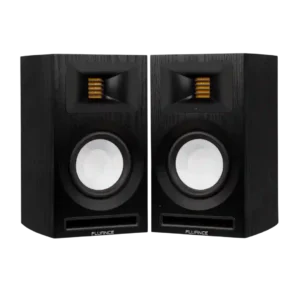
Setup was consistently described as easy, straightforward, plug-and-play, dead simple, or hassle-free.
Pros: Detail retrieval, Value for money
Cons: optical, Smart features
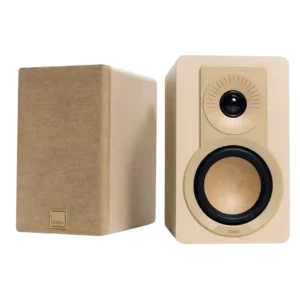
Setup and placement are broadly fuss-free, with several reviewers getting good results close to walls or with little adjustment. Careful positioning can still improve imaging and bass, but the speakers...
Pros: Bass performance, Value for money
Cons: Amplifier power requirements, Break-in period

Setup is usually plug-and-play: connect the speakers, power them, choose a source, and start listening. One reviewer found the channel-identification instructions unclear, but the overall process is considered easy.
Pros: Overall product quality, Overall sound quality
Cons: Remote control usability, Control button responsiveness
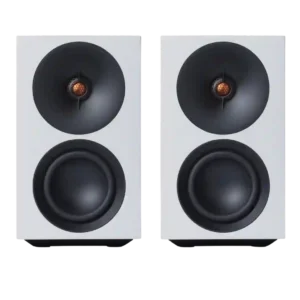
Setup is one of the easiest parts of ownership: Bluetooth pairing can take seconds, USB-C is recognized quickly, and the placement switches are simple to understand. The self-contained active design...
Pros: Design and aesthetics, Small-room suitability
Cons: Distortion at high volume, On-device controls
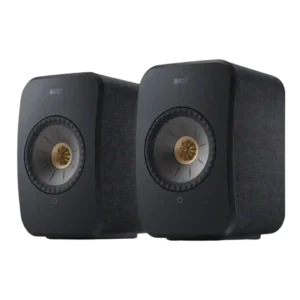
Setup simplicity was a strong point, with repeated reports of smooth app setup, quick connection, and minimal fuss.
Pros: Detail retrieval, Subwoofer
Cons: Distortion at high volume, Remote control usability
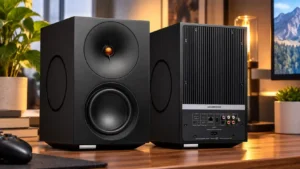
App-guided network setup is generally quick and intuitive, and integrated electronics simplify system assembly. Ethernet can make initial discovery faster than fully wireless setup.
Pros: Design and aesthetics, Overall sound quality
Cons: Placement footprint, Midrange performance
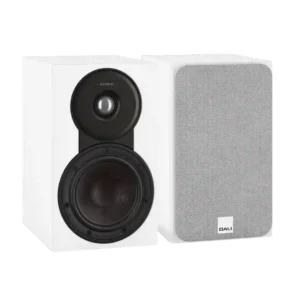
The Sonik 1 is approachable to connect and works with ordinary passive-speaker systems, but rear-port placement and toe-in can take some experimentation. Once positioned, the sweet spot is easy to...
Pros: Value for money, Aesthetic design / Finish options

Setup was widely considered simple, plug-and-play, and app-free, though placement and a few poorly documented features added mild friction.
Pros: Wired input, Frequency response balance
Cons: Distortion at high volume
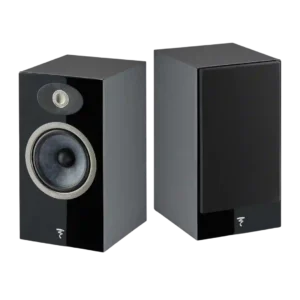
Setup is generally easy and not especially fussy, though the rear port means the speaker benefits from space behind it and careful toe-in.
Pros: Stereo imaging accuracy, Detail retrieval
Cons: Subwoofer, Low-volume performance

Setup is generally easy, and several reviewers found the speakers simple to position. The rear-firing port still calls for some breathing room and may require a little experimentation near walls.
Pros: Design and aesthetics, Music performance
Cons: Low-volume performance
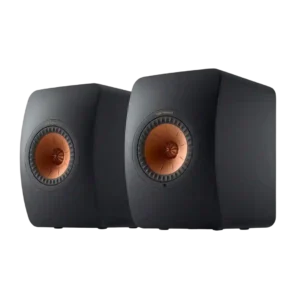
Setup evidence is polarized: many reviewers call it easy or guided, while others find the initial app/Google Home process frustrating.
Pros: Frequency response balance, Stereo imaging accuracy
Cons: Price, HDMI ARC
Setup was seen as manageable and flexible, but multiple reviewers advised proper stands, distance from walls, or careful positioning rather than true bookshelf placement.
Pros: Frequency response balance, Stereo imaging accuracy
Cons: Subwoofer