Best for Tonal balance
Wharfedale Diamond 12.1i
4.9 attribute score
Highest scored product for this attribute based on supporting review evidence.

Highest scored product for this attribute based on supporting review evidence.
Balances the attribute score, supporting reviews, and overall product strength.
Has the broadest review evidence for this attribute.
Strongest overall product among items with scored evidence for this attribute.
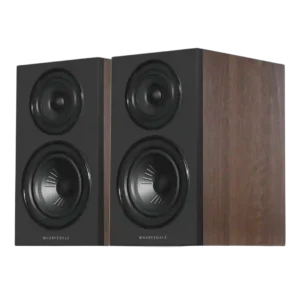
Most reviewers hear an even, balanced response with a mildly warm or relaxed tilt rather than a bright one. One listening test found a track that emphasized the frequency extremes,...
Pros: Design and aesthetics, Music performance
Cons: Low-volume performance

The tonal balance is consistently described as neutral, natural, and well controlled, without obvious frequency bands dominating the mix. Some rooms can excite the bass, but the core midrange and...
Pros: Stereo imaging accuracy, Aesthetic design / Finish options
Cons: Smart features, EQ customization
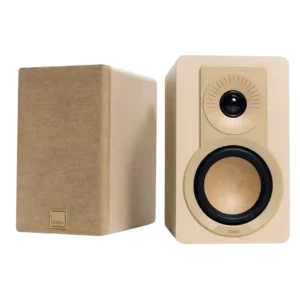
Tonal balance is usually described as even, integrated and natural, with strong driver integration. Some listeners heard a mild bright tilt or extra upper-bass warmth, so it is not universally...
Pros: Bass performance, Value for money
Cons: Amplifier power requirements, Break-in period

The default balance is generally neutral and easy to live with, and Monitor mode is a frequent favorite. Some presets push bass and treble too far, while room placement can...
Pros: Overall product quality, Overall sound quality
Cons: Remote control usability, Control button responsiveness
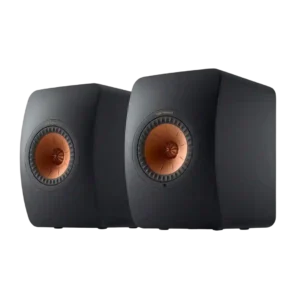
The tonal balance is usually praised as clean, neutral, clear, and well controlled, though some reviewers find it clinical or not warm.
Pros: Frequency response balance, Stereo imaging accuracy
Cons: Price, HDMI ARC
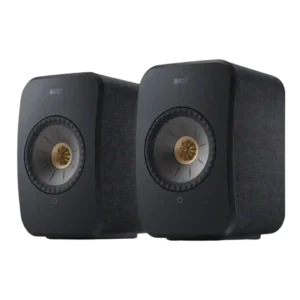
Tonality was generally described as balanced, inviting, and detailed, though a few reviews noted treble brightness or placement-sensitive bass.
Pros: Detail retrieval, Subwoofer
Cons: Distortion at high volume, Remote control usability
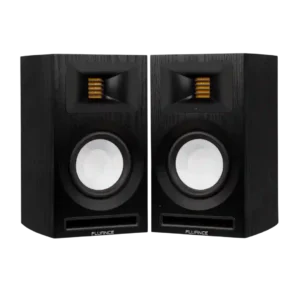
Frequency balance was widely described as neutral, well-balanced, controlled, and suited to many genres, with only minor caveats around bass or midrange voicing.
Pros: Detail retrieval, Value for money
Cons: optical, Smart features
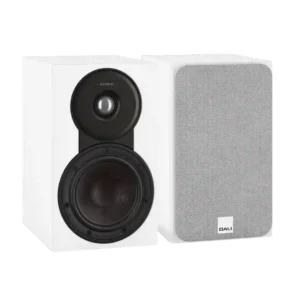
The overall balance is rich, natural and full without obvious excess. A mild upper-frequency emphasis keeps it from sounding perfectly neutral in every setup.
Pros: Value for money, Aesthetic design / Finish options
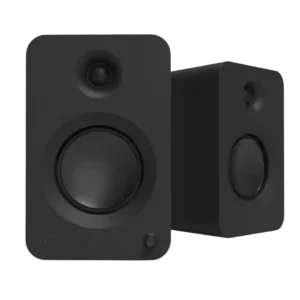
Most reviewers described the tuning as balanced, neutral, smooth, or enjoyable, with occasional caveats around bass shape and treble character.
Pros: Wired input, Frequency response balance
Cons: Distortion at high volume
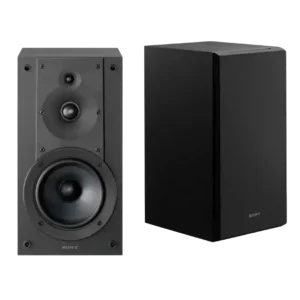
Most reviewers heard a smoother, more balanced response than before, with remaining caveats around mild sibilance and limited bass.
Pros: Frequency response balance, Cabinet construction / bracing
Cons: Dynamic headroom
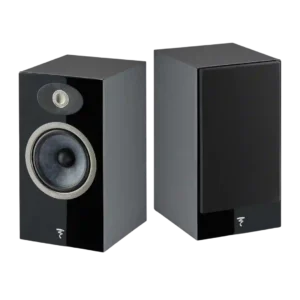
Tonal balance is usually described as smooth, full, and even, but treble exposure and brightness with poor recordings keep it from being universally neutral.
Pros: Stereo imaging accuracy, Detail retrieval
Cons: Subwoofer, Low-volume performance
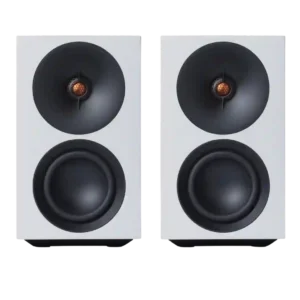
The overall balance is generally smooth, even and close to neutral, making long sessions easy to tolerate. It is not strictly reference-flat, though, with some bass warmth and a touch...
Pros: Design and aesthetics, Small-room suitability
Cons: Distortion at high volume, On-device controls
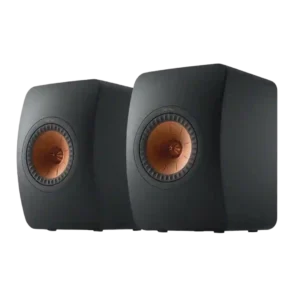
Tonality was mostly described as smooth, neutral, balanced, or refined, but a few reviewers heard recessed mids, metallic character, or revealing behavior with harsh recordings.
Pros: Frequency response balance, Stereo imaging accuracy
Cons: Subwoofer
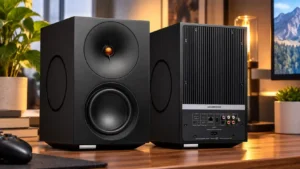
Balance is sensitive to room settings and placement: some listeners find it convincingly even, while others hear bass excess, forward mids, or treble irregularities. Tuning often improves the result.
Pros: Design and aesthetics, Overall sound quality
Cons: Placement footprint, Midrange performance